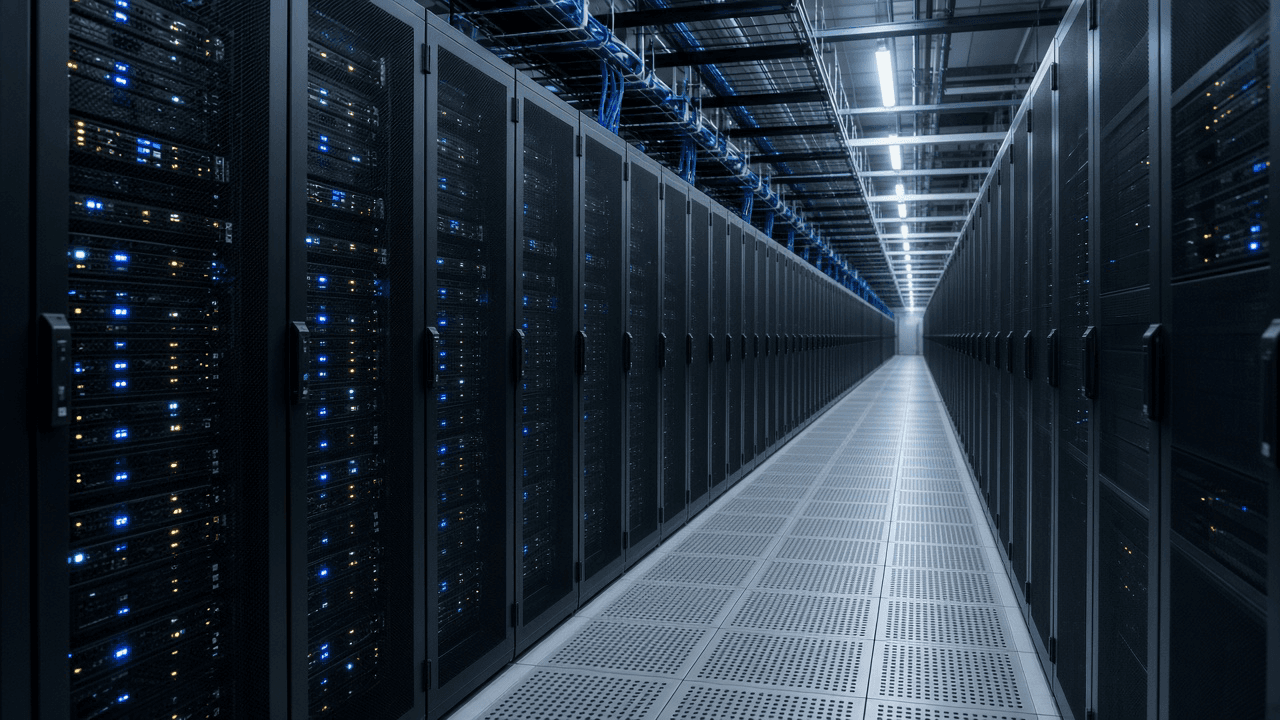

Amazon's Cloud Boss Just Said Computing Power Is Sold Out Through 2028
Wall Street is piling fresh price targets onto the hyperscalers even as the same week's data shows the cost of financing AI data centers climbing fast, and both things are true at once.

Amazon's stock got a round of fresh enthusiasm this week after a major bank lifted its price target and named the company a top pick, citing cloud-revenue growth and wide profit margins expected on that cloud business through 2027 and 2028. The headline-grabbing detail wasn't the price target, though. It was a comment attributed to Amazon's own leadership that compute capacity is essentially sold out past 2028. If true, that's a remarkable statement about demand for AI infrastructure, coming from the company that runs the largest cloud-computing business in the world.
It's also a useful data point to set against everything else that's been happening in the AI infrastructure trade over the past two weeks, where chip stocks shed more than a trillion dollars in value and credit markets started pricing in real worry about the debt backing data-center buildouts. The sold-out-through-2028 line is Amazon's way of saying the demand side of the AI story is not the problem. Multiple other hyperscalers have been saying versions of the same thing — more leases signed, more capacity promised, more power contracts locked in.
So if demand isn't the issue, what is? Increasingly, it looks like the financing side. Building a data center isn't like building a retail store; it requires years of construction, long-term power contracts, and enormous upfront capital that has to be borrowed against future revenue that, in some cases, doesn't exist yet. Treasury yields have risen more than a full percentage point since the start of the year, and the yields on investment-grade data-center bonds have climbed from under 5% to nearly 7%. That's not a rounding error. It changes the economics of every lease-financing deal in the pipeline, and it's already showing up in stalled or renegotiated projects — including a widely reported case this past weekend involving a major software company reportedly pulling back from a UK data-center partnership tied to power-supply delays.
This is the real tension sitting underneath the AI boom right now, and it's one investors and policymakers alike should be watching closely because it has implications well beyond tech stocks. If hyperscalers are right that demand for compute will outstrip supply for years, the economic case for building more capacity is sound. But if the capital to build that capacity gets more expensive every quarter, projects slow down regardless of demand, and the mismatch between promised AI capability and delivered AI capability widens. That mismatch is exactly the kind of thing that shows up later as disappointing earnings, delayed product launches, and — if the credit stress spreads further — a genuine drag on broader financial conditions, since AI capex has become one of the largest single contributors to GDP growth this cycle.
None of this means the AI buildout stalls. It means the easy phase, when money was cheap and leases got signed on optimism alone, is ending. What comes next depends on whether rates ease enough to keep the financing math working, or whether the cost of capital keeps climbing faster than the revenue these data centers are supposed to eventually produce. For an economy that has leaned on AI capital spending as one of its few genuine growth engines this year, that's not a side issue. It's close to the main event.
You Might Also Be Interested In
CoreWeave's Falling Stock Shows Where the AI Buildout's Financing Gets Expensive
Washington Eased Up on Russian Energy. Oil Rose Anyway.

Labor Department Suspends Microsoft, Adobe and Six Outsourcing Firms From Green-Card Labor Program