

AMD's Trillion-Dollar Forecast Is a Bet the Whole Economy Is Making
A chipmaker just told Wall Street the AI hardware market will grow tenfold by 2030 — a projection so large it says as much about circular financing in the AI boom as it does about demand
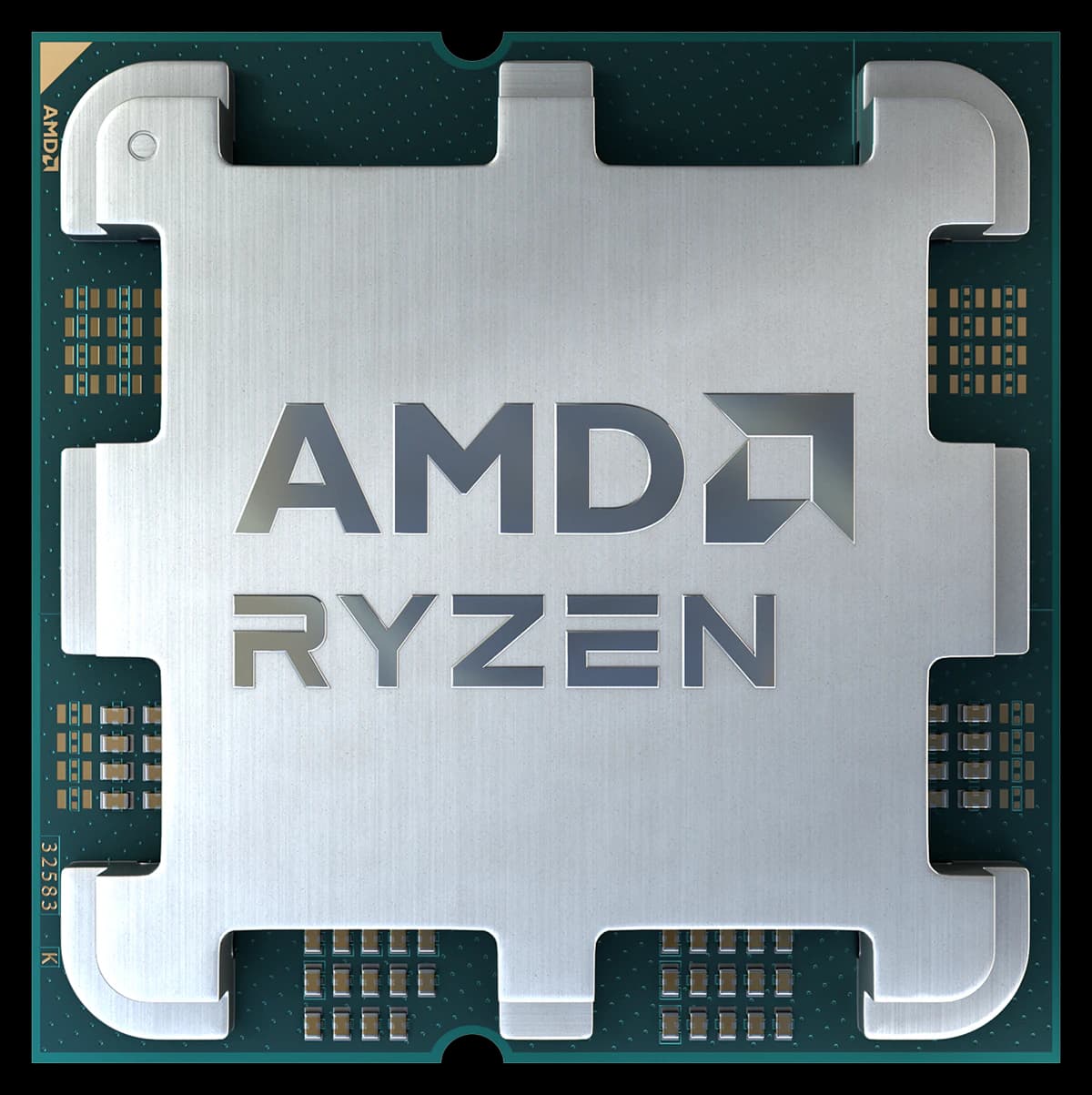
This week a major chipmaker stood in front of investors and projected that the market for AI accelerators alone will grow from roughly $200 billion today to $1.4 trillion by 2030, with the broader server and chip market it competes in nearly tripling on top of that. Numbers at that scale are less a forecast than a statement of faith — and increasingly, the industry is putting its own money behind that faith in ways that should give ordinary investors and taxpayers pause, even if they never own a share of chip stock.
The most telling detail wasn't the topline number. It was the confirmation that a major AI lab customer will begin taking delivery of the first gigawatt of computing capacity from this arrangement next year, with each gigawatt of build-out representing somewhere in the neighborhood of $15-20 billion in revenue. That is a staggering sum of capital committed to infrastructure for a technology whose payback period remains, by the Fed's own research this year, largely unproven. The chipmaker isn't just selling to its customer — in a pattern that's become common across the AI supply chain — it's investing directly in that customer, effectively financing the very demand it depends on to hit its own targets.
This is not, by itself, evidence of fraud or bad faith. Vertical investment between suppliers and customers is common in capital-intensive industries, and there are legitimate reasons a chip designer would want its biggest customers well-capitalized. But when the financing chain gets short enough — chipmaker invests in AI lab, AI lab buys chips, chipmaker books the revenue, and the same dynamic repeats across memory suppliers, cloud providers, and power companies — it becomes harder to distinguish organic demand from demand manufactured by the industry's own balance sheets.
The corporate earnings season now underway offers a useful cross-check. Nearly 80% of S&P 500 companies have beaten Wall Street's estimates this quarter, by an average margin so wide it says more about how conservative the targets were than how strong underlying demand is. Meanwhile, several of the same companies pouring tens of billions into AI infrastructure this quarter are also warning, in the same earnings calls, that margins will be pressured for years by the depreciation and operating costs of that infrastructure. Alphabet's cloud business just posted its best quarter ever and the company still burned cash for the first time since its 2004 IPO. That combination — record demand, negative free cash flow — is precisely what you'd expect if the buildout is running ahead of the revenue that's supposed to justify it.
None of this means the AI infrastructure boom is a mirage. Power-hungry data centers are real, chip orders are real, and the underlying compute is genuinely being used. But the financing structure underneath the boom is worth understanding on its own terms, separate from the technology itself. When a chip company's growth targets depend partly on capital it supplies to its own customers, the multi-trillion-dollar total addressable market headline should be read as a projection of what the industry hopes will happen, propped up in part by money moving in a circle — not a measurement of demand that already exists.
For readers without a stake in semiconductor stocks, the relevant question isn't whether to buy in — it's what happens to the broader economy, electricity grids, and regional job markets tied to data-center construction if that financing circle ever stops turning. That's a story that will play out over years, not quarters, and it's worth watching the fine print in these earnings calls as closely as the headline numbers being touted at investor days.
You Might Also Be Interested In

Anthropic's IPO Is Coming, and It's a Bet on 30 Gigawatts of Faith

The Decision That Matters Most: Why Asset Allocation Drives Everything Else

Burner Prudenti: Business Succession Planning: Protecting What You’ve Built