

Oil, Missiles, and Your Mortgage: Why the Strait of Hormuz Suddenly Matters on Long Island
A weekend of US-Iran strikes near a critical oil chokepoint pushed crude up, and that kind of move rarely stays contained to a gas pump
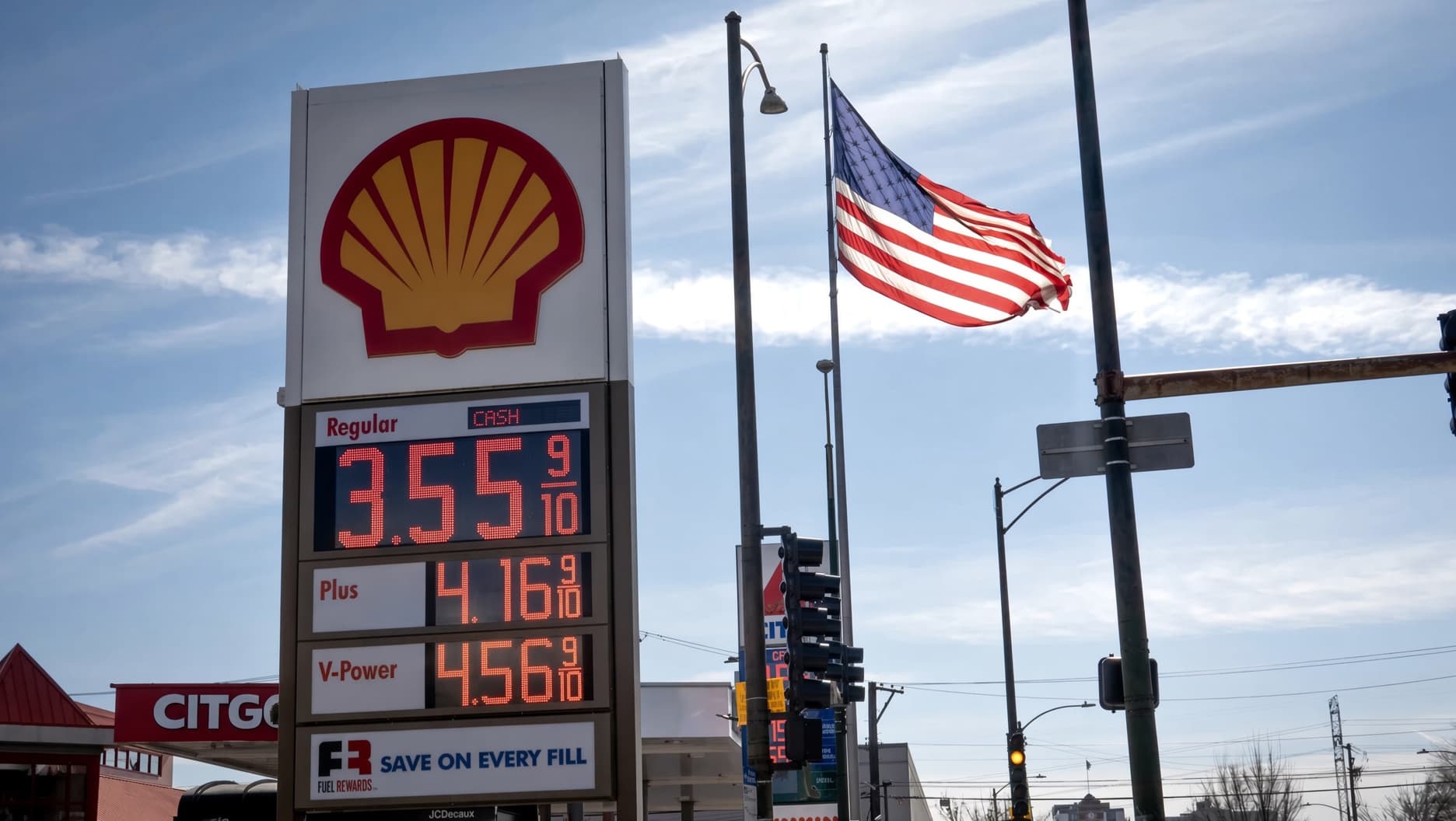
Over the past weekend, US forces struck an island in the Strait of Hormuz to head off Iran mining the waterway, and Iran's Revolutionary Guard answered by lobbing missiles at American bases in Jordan. Oil jumped better than three percent on the news, crossing back above $86 a barrel. If you've been half-ignoring the Middle East headlines because they've cycled through so many rounds of escalation this year, this is the one worth actually paying attention to, because the Strait of Hormuz isn't just another flashpoint. Roughly a fifth of the world's oil and a huge share of its liquefied natural gas pass through that channel. Threats to mine it get noticed by every trading desk on earth within minutes.
Here's why that matters more than the usual overseas-conflict story. The Fed spent last week's Jackson Hole gathering laying groundwork for a possible rate move at its September meeting, built on the idea that inflation has been stubbornly sticky even as growth holds up fine. Energy prices are one of the more direct pass-throughs into headline inflation, and they move faster than almost anything else the Fed watches. A sustained jump in oil doesn't just cost more at the pump — it filters into diesel, into shipping costs, into the price of literally everything that gets trucked to a store shelf. If crude stays elevated through the next several weeks, it hands the inflation hawks at the Fed one more data point to point to, right as they're deciding whether to actually raise rates rather than just talk tough about them.
That's the connective tissue back to Suffolk County. Mortgage pricing here doesn't track the Fed's overnight rate directly — it tracks the bond market's expectations of where inflation and Fed policy are headed over the next several years. When oil spikes on a geopolitical shock, bond traders start pricing in a slightly higher chance that the Fed leans hawkish, and that shows up in the 10-year Treasury yield, which is the yield mortgage rates are actually built on. We just watched a hawkish Fed speech flatten the yield curve; an oil shock on top of that is not a coincidence markets will shrug off.
Worth separating the signal from the noise here, though. Geopolitical oil spikes have a bad habit of being sharp and short unless the underlying supply threat actually materializes. Markets are also treating a separate story — a weekend US-Venezuela oil arrangement that got plenty of headlines — with real skepticism about whether it changes anything near-term. Oil traders have been burned before by escalation that fizzles once the missiles stop flying. The move so far reflects fear of disruption, not an actual disruption; tanker traffic through Hormuz hasn't stopped.
Still, the setup is worth watching for anyone budgeting a home purchase or refinance this fall on the South Shore. If oil holds these gains into next month's inflation reading, and the Fed's September decision leans toward tightening rather than holding steady, local mortgage quotes could drift up before Labor Day barbecues are even cleaned up. If the conflict cools and oil gives back its gains, the story reverts to what it was two weeks ago: a Fed genuinely torn between a labor market that's softening at the edges and inflation that won't fully cooperate. Either way, the lesson is the same one that keeps showing up this year — what happens in a shipping channel eight thousand miles away lands, with a short delay, in a local closing document.
You Might Also Be Interested In

Labor Department Suspends Microsoft, Adobe and Six Outsourcing Firms From Green-Card Labor Program

SpaceX's Filings Show AI Computing Power Being Financed Like a Credit Asset

Giunta's Meat Farms Completes Purchase of King Kullen