
Warsh Finally Talks Tough at Jackson Hole. Bonds Believed Him
The Fed chair's most hawkish speech since taking the job flattened the yield curve overnight
For most of the summer, Kevin Warsh has been an awkward fit for the job of Fed chair, at least rhetorically. His July press conference rattled markets badly enough that the S&P dropped 1.5% and 30-year yields jumped 11 basis points in an afternoon, a reaction serious enough that Wall Street strategists spent the following weeks debating whether he even had a coherent framework. This week's Jackson Hole speech was the corrective. Warsh told the room, in essence, that a few months of better inflation prints haven't convinced him underlying price pressure has meaningfully improved, that the labor market is stable rather than weak, and that financial conditions right now are not restrictive. That's central-bank code for: don't get comfortable, and don't assume the next move is a cut.
The market reaction told you everything about how the speech landed. The 2-year yield rose, the 10-year fell, and the gap between them — the 2-10 spread, a rough proxy for how much tightening investors expect over time — compressed to under 40 basis points, down from the mid-50s just a couple weeks earlier. That's a flattening yield curve, and it's a very specific kind of market vote: investors now believe the Fed is both willing to hold rates higher for longer and credible enough that long-term inflation expectations don't need to carry a big risk premium. Bank stocks, which have been trading almost in lockstep with that spread, wobbled on the news, since a flatter curve squeezes the profit banks make borrowing short and lending long.
Why should anyone in Suffolk County care about a technical bond-market indicator? Because mortgage pricing lives downstream of exactly this dynamic. Thirty-year mortgage rates track the 10-year Treasury yield far more closely than they track the Fed's overnight rate target, and a Fed chair who successfully convinces markets he's serious about finishing the inflation fight is, paradoxically, often good news for long-term borrowing costs even if he's also talking about holding short rates higher. That's what happened here — the 30-year yield fell on a hawkish speech, which is the opposite of what a lot of casual observers would expect, but exactly what happens when credibility gets restored. If it holds, refinance math on Long Island improves at the margin even as the Fed keeps its foot near the brake.
The backdrop makes this a genuinely live question rather than a formality. Corporate profits surged 9.1% in the second quarter and are up 23% year-over-year, with after-tax margins at a record high — a pricing-power story more than a volume story, since companies raised prices while labor and non-labor costs stayed essentially flat. That's the kind of data that makes a hawk's case for him: firms clearly still have room to pass through costs, which is not what you want to see if you're trying to declare victory over inflation. Meanwhile the Fed's own New York branch has tracked a smoother measure of underlying inflation falling for three straight months to 2.67%, which is genuinely encouraging and gives doves ammunition. Both things are true at once, which is exactly why September is being described as a close call rather than a foregone conclusion.
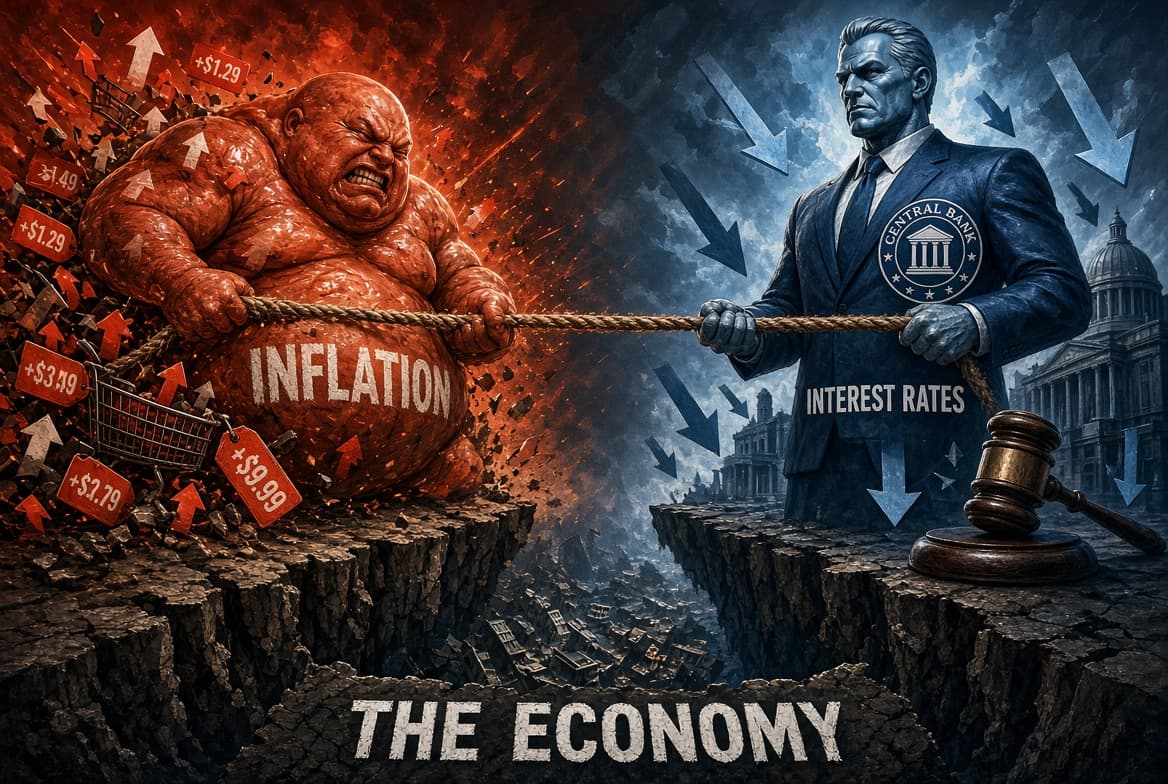
The practical interpretation for households and small business owners here isn't to trade the bond market — it's to recognize that mortgage and business-loan rates are being set right now by a tug-of-war between a Fed chair rebuilding credibility and inflation data that's genuinely ambiguous. If Warsh keeps talking this way and the data cooperates, long rates could stay anchored or drift lower even without a rate cut anytime soon. If the inflation numbers turn back up — and there's a real risk of that given oil prices and the sanctions pressure on Iran working through gas and heating costs — the hawkish talk turns from credibility-building into a genuine tightening cycle, and borrowing costs on the Island go the other way. Either way, the September Fed meeting just got a lot more interesting than markets were pricing in a month ago.
You Might Also Be Interested In

Labor Department Suspends Microsoft, Adobe and Six Outsourcing Firms From Green-Card Labor Program

SpaceX's Filings Show AI Computing Power Being Financed Like a Credit Asset

Giunta's Meat Farms Completes Purchase of King Kullen