
After the Nor’easter: Long Island Battered, but New York and New Jersey Stand Strong
PSEG Long Island reported Monday morning that the storm had caused more than 125,000 customer outages over roughly 72 hours.
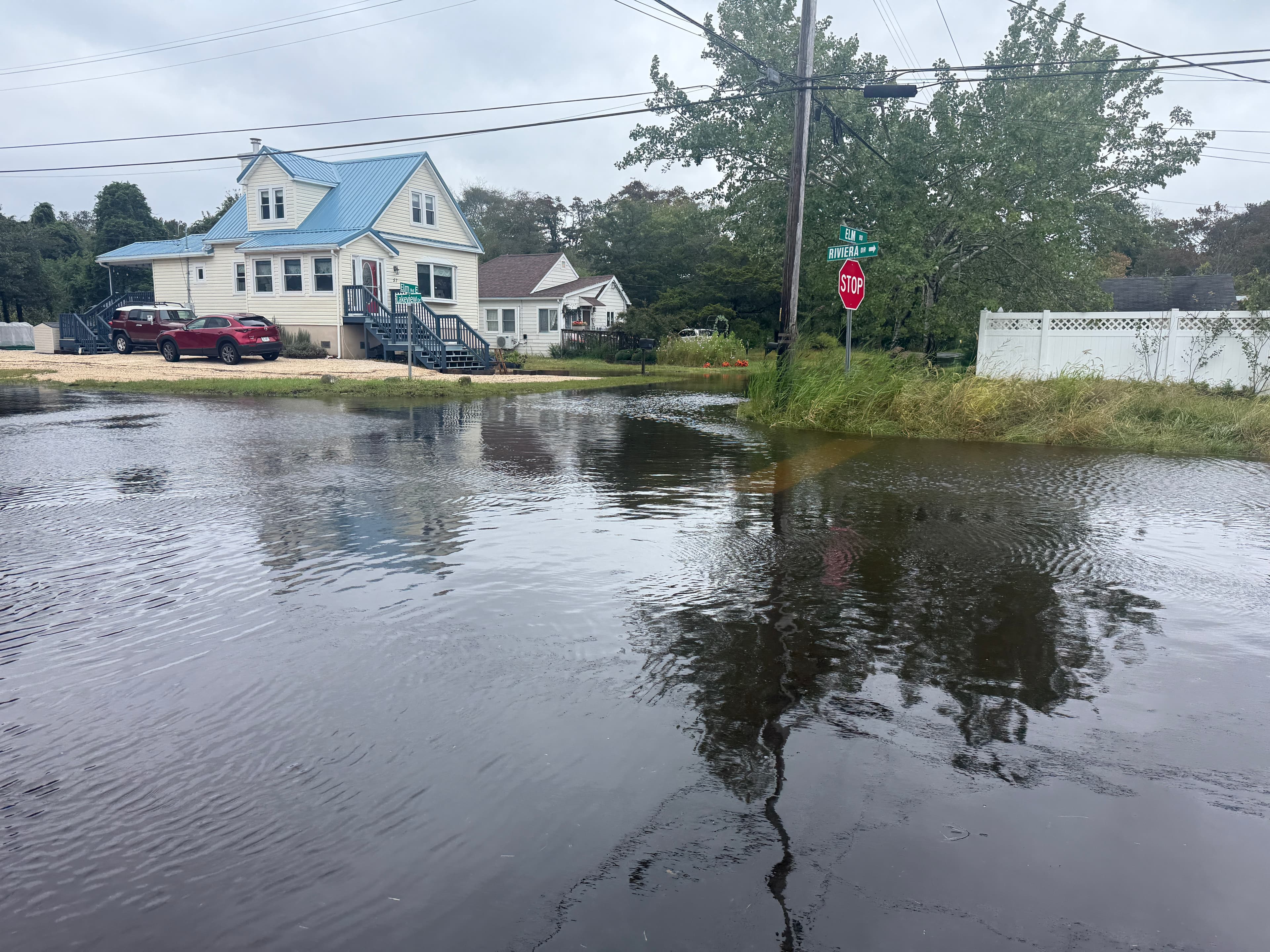
There is something uniquely humbling about a powerful storm. For all of our technology, infrastructure and preparation, Mother Nature occasionally reminds us just how quickly normal life can be turned upside down. Last weekend’s nor’easter did exactly that across New York, Long Island and New Jersey. For families across our region, this was not simply a bad weekend of rain. It was water creeping toward the front door. It was trees crashing onto homes and streets. It was power disappearing while families waited in the dark. It was flooded roads, damaged cars, battered beaches and the awful uncertainty of wondering what you were going to find when the storm finally passed. Long Island was hit especially hard. Heavy rain and punishing winds brought down trees and large branches across Nassau and Suffolk counties. Coastal flooding inundated vulnerable communities, roads disappeared beneath water and beaches took another beating from an angry Atlantic. PSEG Long Island reported Monday morning that the storm had caused more than 125,000 customer outages over roughly 72 hours. More than 1,230 trees and nearly 750 large branches had fallen, an extraordinary illustration of just how violent this storm became. By late Monday morning, thousands of customers were still waiting for their electricity to return, with Suffolk County accounting for most of the remaining outages. Anyone who has lived on Long Island understands the anxiety that comes with a storm like this. You hear the wind outside and wonder whether the old tree in the yard is going to hold. You watch the water rising on your street and start moving whatever you can to higher ground. You charge every phone in the house because you have no idea how long the power might be gone. And when daylight finally comes, you walk outside and survey the damage. For some families, that means a cleanup. For others, it means rebuilding. Communities along Long Island’s South Shore were again dealing with coastal flooding. Lindenhurst residents, for example, continued confronting flooded streets as high tides compounded the effects of the storm. Across the Island, the nor’easter flooded roads, toppled trees, eroded beaches and disrupted power. The devastation did not stop at the New York border. New Jersey’s shoreline was hammered by flooding, wind and severe beach erosion. In Sea Bright, emergency crews conducted dozens of water rescues. On Long Beach Island, wind gusts reportedly reached 74 miles per hour, while tens of thousands of New Jersey customers lost electricity during the storm. Ahead of the storm, New Jersey declared a state of emergency in eight counties because of the threat of damaging winds, heavy rain, coastal flooding and erosion. Unfortunately, many of those fears became reality. New York City was hit as well. Flooding affected waterfront neighborhoods in Queens and Staten Island, and the storm brought tragedy when a 56-year-old man was killed after being struck by a falling tree in Brooklyn. That loss should remind us that behind every weather map, outage number and rainfall total are actual human beings. There are families who spent this weekend frightened. There are homeowners looking at damage they cannot afford. There are small businesses wondering how quickly they can reopen. There are elderly residents who sat without electricity. There are first responders who went into flooded streets while everyone else was being told to stay home. And there are utility crews, police officers, firefighters, EMS personnel, public works employees and countless others who have been working through miserable conditions to get our communities functioning again. They deserve our gratitude. But there is another group that deserves recognition too: ordinary neighbors. One thing I have always believed about Long Island is that we are at our best when things are at their worst. Politics disappears pretty quickly when your neighbor has a tree through his roof. Nobody asks whether the person whose basement is flooding is a Republican or Democrat. Nobody cares who somebody voted for when an elderly neighbor needs a generator, a flooded car needs to be pushed or a family needs somewhere warm and dry to stay. You simply help. That is the Long Island I know. That is the New York I know. And that is the spirit we are seeing across New Jersey as communities begin the exhausting process of cleaning up. Now comes the less dramatic part of the storm, but perhaps the most important one. Recovery. Government officials, utilities and insurance companies need to move quickly. Families should not spend months fighting bureaucracy while trying to repair homes damaged in a matter of hours. Roads, drainage systems, electrical infrastructure and coastal protections that failed or proved inadequate during this storm deserve serious examination. Our region is surrounded by water. Coastal storms are not theoretical threats here. They are part of life. That means resilience cannot simply be something politicians talk about after the television cameras arrive. It has to mean stronger infrastructure, better drainage, responsible coastal protection and realistic emergency planning before the next storm appears on the radar. But today should primarily be about the people affected. If your home flooded, if your property was damaged, if you lost power, if you spent the weekend frightened for your family, know that millions of your neighbors understand what you have just been through. If you lost someone, our hearts are with you. And if you are one of the first responders, utility workers or ordinary citizens helping another person get through this mess, thank you. The rain eventually stops. The wind eventually dies down. The floodwaters eventually recede. What remains afterward is community. Long Island has survived hurricanes, nor’easters, blizzards, blackouts and disasters far worse than this one. New York and New Jersey have been knocked down before, and every time our people have gotten back up. We will do it again. For now, check on your neighbors. Help the elderly. Give the crews room to work. Stay away from downed power lines and flooded roads. And remember that somebody a few blocks away may have suffered far more damage than you did. The storm may finally be leaving. For thousands of our neighbors, however, the hard part is only beginning.
You Might Also Be Interested In
Manor Races Storm to Welcome Students
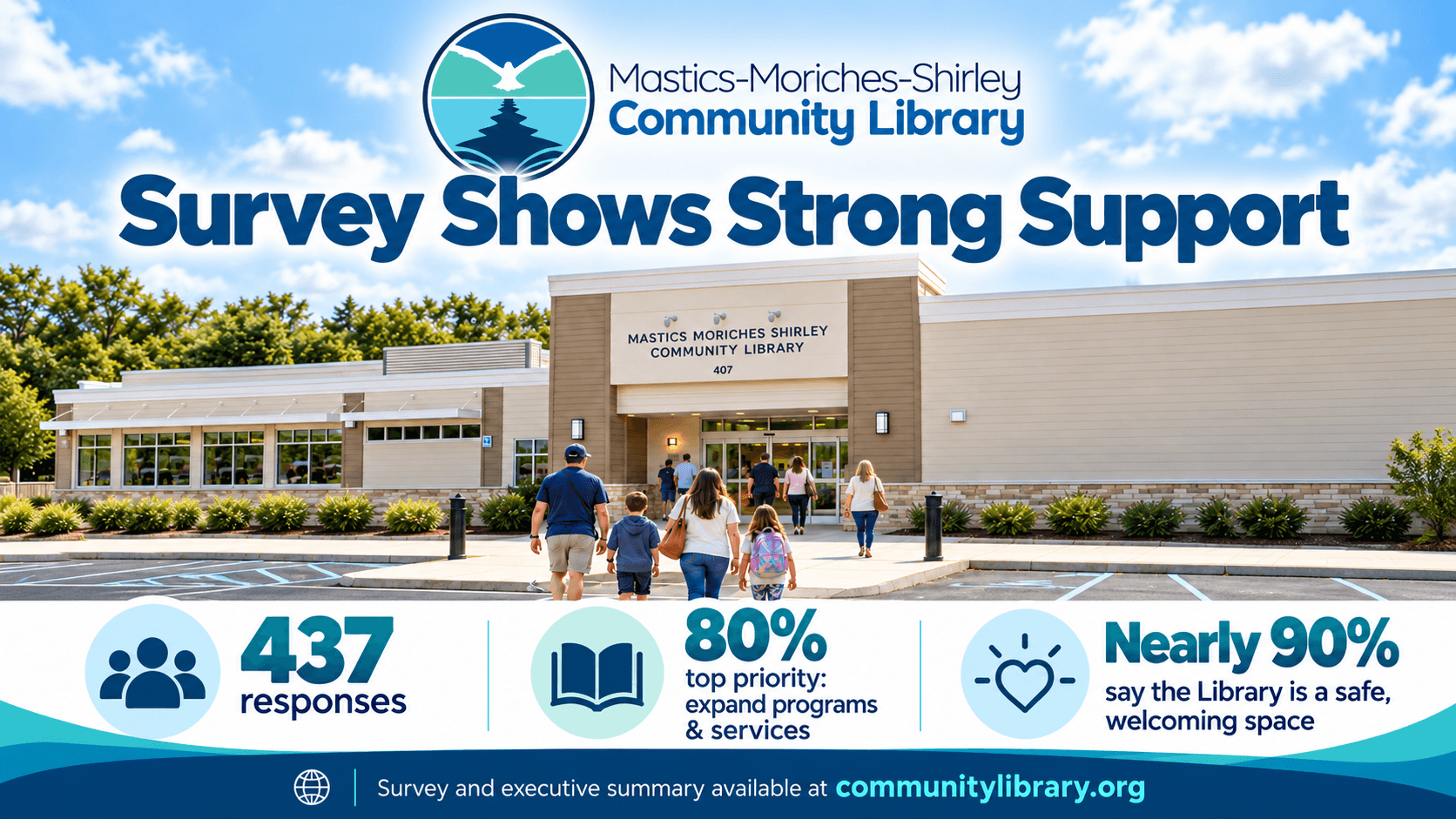
Survey Shows Strong Support For Community Library
$323K Farmingville Paving Project Completed