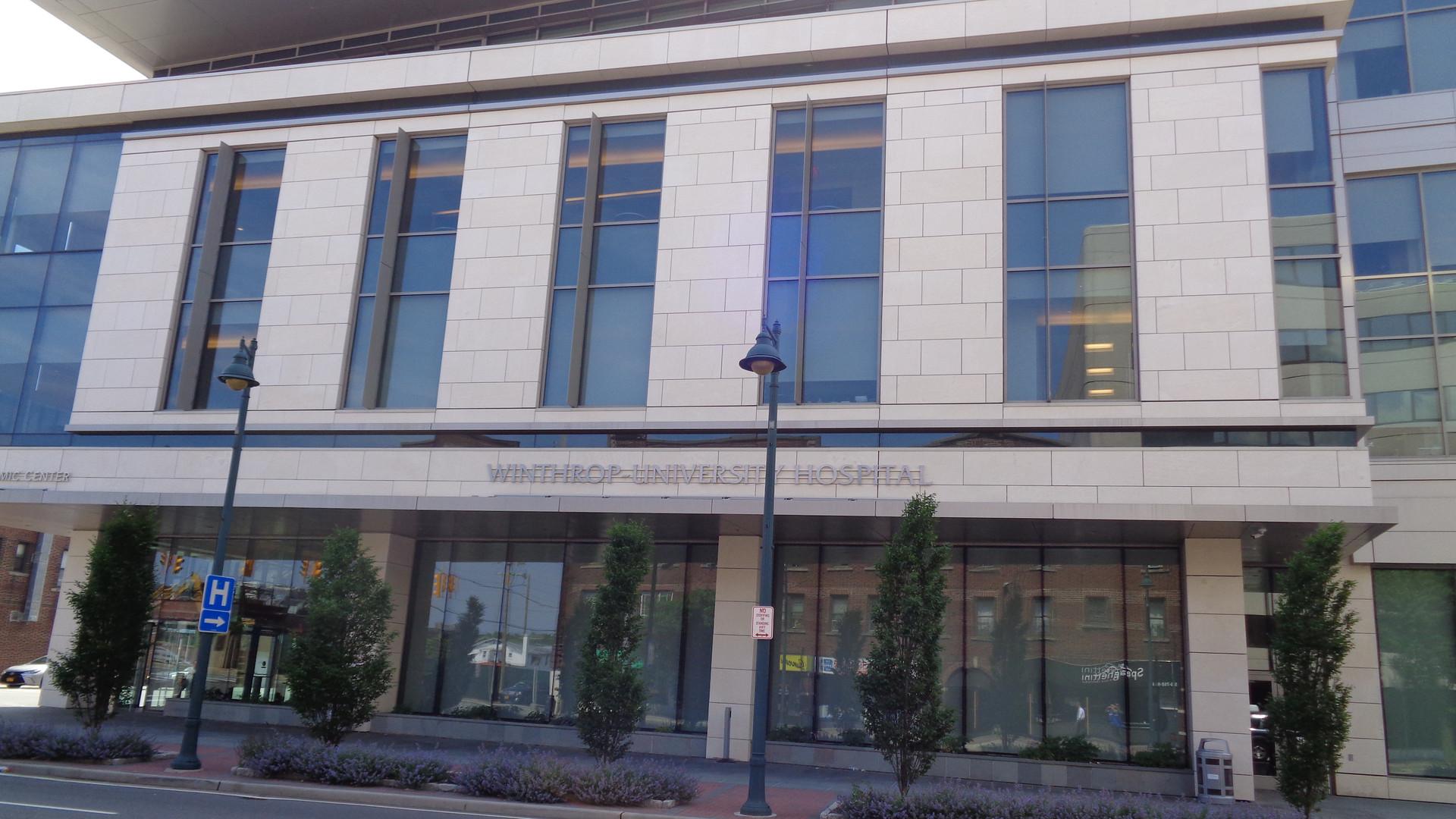

Huntington Board Rejects Amended Budget 2 to 3 With Nov. 20 Deadline Ahead
The Town Board voted 2 to 3 on Tuesday against the amended 2027 spending plan after members rewrote a preliminary budget that carried an 18.39 percent levy increase. State law sets a Nov. 20 adoption deadline.
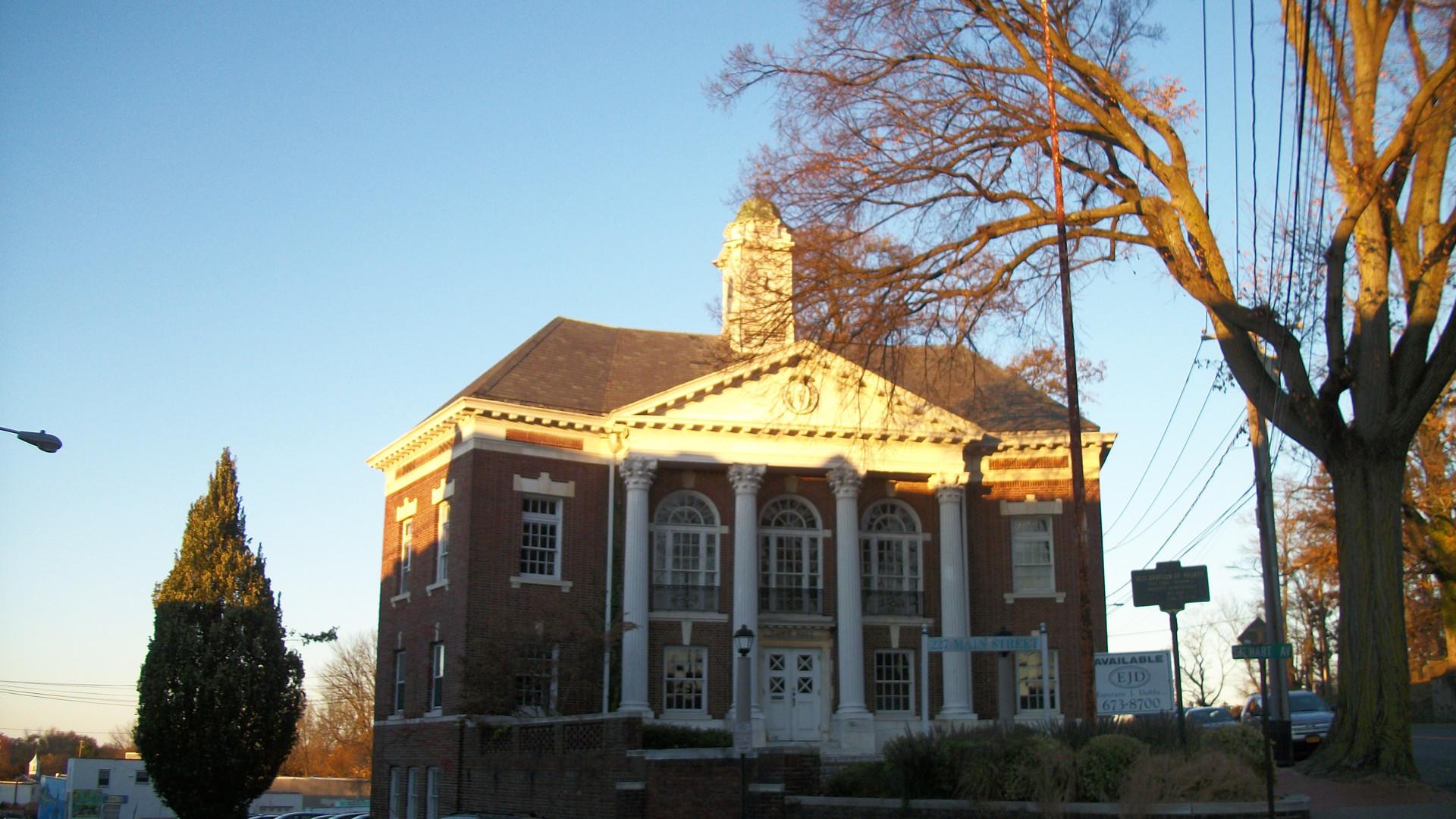
On Tuesday night the Huntington Town Board rejected resolution 2026-561, the measure to adopt an amended 2027 spending plan, by a vote of 2 to 3, hours after members rewrote a preliminary budget that carried an 18.39 percent levy increase. Under Section 109 of the Town Law, a town board outside Westchester and Monroe counties must adopt its budget by resolution no later than Nov. 20. If the board has not done so by that date, the preliminary spending plan, with any changes already made, takes effect as the budget for the coming year. As of Wednesday evening, the town's meeting calendar listed no Town Board session before Friday, and the next workshop and meeting were listed for Dec. 8. The outcome stays unsettled until that deadline passes.
The official video of the Nov. 17 meeting captures the roll call. Councilwoman Jennifer Hebert, called first, said she had supported the amendments and objected to how the board reached them. "As much as I support the amendments and I'm so happy that we did the work, I'm voting against the budget," she said. Councilwoman Theresa Mari voted yes, as did the member called just before her, whose name is inaudible on the recording. Local accounts list Council Member Bennardo as the second yes. Councilwoman Brooke Lupinacci said she was "not in favor of moving this through due to the process." Supervisor Edmund J. Smyth voted no.
The figures behind the fight come from the 2027 preliminary budget book prepared by the town's Department of Audit and Control and posted on the town website. It shows spending of $269,737,071 across all funds and a combined property tax levy of $169,941,874, against $143,543,987 for 2026. In his budget message, Smyth wrote that it had become "impossible to remain under the tax cap without cutting Town services." He also wrote, "When mandates and other costs grow at 4, 6, and 8 percent, something has to give."
The same message explains the 2.68 percent ceiling that board members cited all night. The state comptroller calculated inflation at 3.13 percent for towns whose fiscal year starts Jan. 1, 2027, and set the allowable levy growth factor at 2 percent, the legal maximum when inflation is higher than 2 percent. Smyth's message adds a 0.46 percent tax base growth factor and a 0.22 percent carryover to that 2 percent, which brings Huntington's permitted increase to 2.68 percent over the 2026 levy. Applied to this year's levy, that limit comes to about $147.4 million, or $22,550,908 below the preliminary plan. Mari read the same $22,550,908 gap into the record during the meeting.
Going over the limit was already legal. On Sept. 15 the board voted on Local Law 26-2026, listed as resolution 2026-484, which lets the town exceed its cap under Section 3-c of the state's General Municipal Law. The official video of that meeting records the result as three yeas and two nays, with Hebert and Lupinacci in the negative. Mari explained her vote that night: "We are not passing a budget this evening. All we are doing is making sure that all of the tools are at our disposal and remain viable." Two months later, her amendments were intended to leave that authority unused for 2027.
On Tuesday, Smyth abstained on Mari's amendments, telling the board, "I received these motions at 4 o'clock today, so I'll be abstaining on these resolutions." Lupinacci abstained as well, saying, "my abstention is not an endorsement of an 18 percent tax hike." Most amendments then carried 3 to 0, with Smyth and Lupinacci abstaining.
Several of the largest changes put off costs or raised revenue estimates. Amendment 3 keeps open general fund jobs unfilled until October 2027, a step Mari estimated would save about $2 million; she told the board no employee would be laid off and no job eliminated. Mari also proposed counting about $2.7 million in unpaid code violation fines as revenue, which she described as a one time infusion covering six years of fines, along with $3.5 million in federal highway money she credited to Rep. Nick LaLota. The final amendment, number 39, moved $714,799 out of general fund reserves to shrink that fund's tax levy dollar for dollar "so that the town tax stays within the cap," Mari said.
The town has not published an amended levy or a tax cap form reflecting the amendments, so whether the 2027 levy lands at or under the $147.4 million ceiling remains an unpublished projection from the meeting floor. The town's online minutes feed had no minutes from Tuesday's meeting as of Wednesday evening, and no special meeting notice had been posted. The 2027 plan stays unsettled until the Nov. 20 deadline passes.
You Might Also Be Interested In
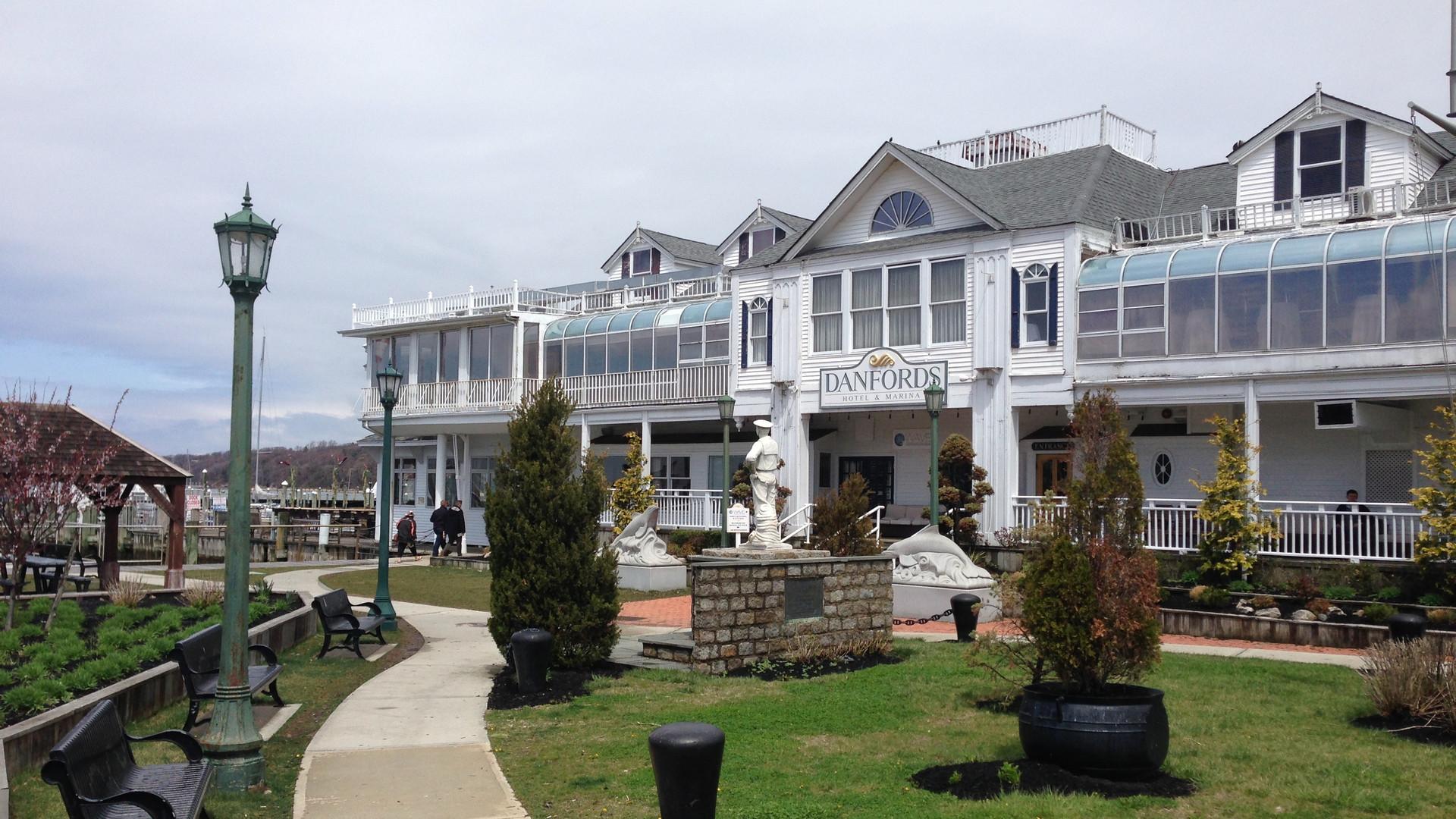
Danfords Marina in Port Jefferson Sets Mid-May 2027 Reopening After Storm Forced a Full Rebuild
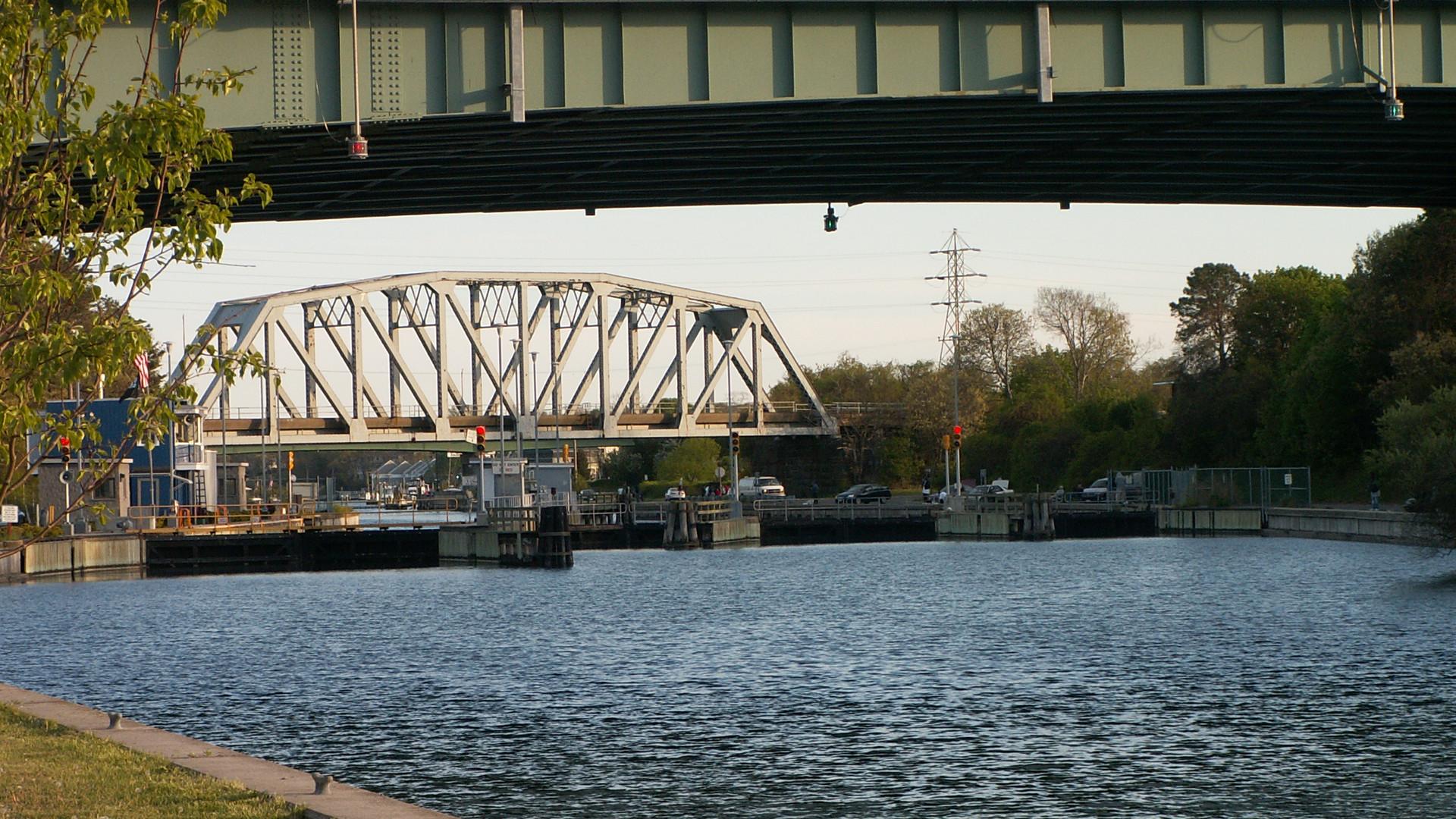
Lane Split and 45 MPH Limit Coming to Sunrise Highway at the Shinnecock Canal on Nov. 24

Suffolk Family Court Will Finalize Adoptions at Riverhead Aquarium Friday for National Adoption Day