Islip and Huntington Budgets Take Effect Without Board Votes
The supervisor who filed one of the plans says its math is wrong, while three other Suffolk towns met the deadline
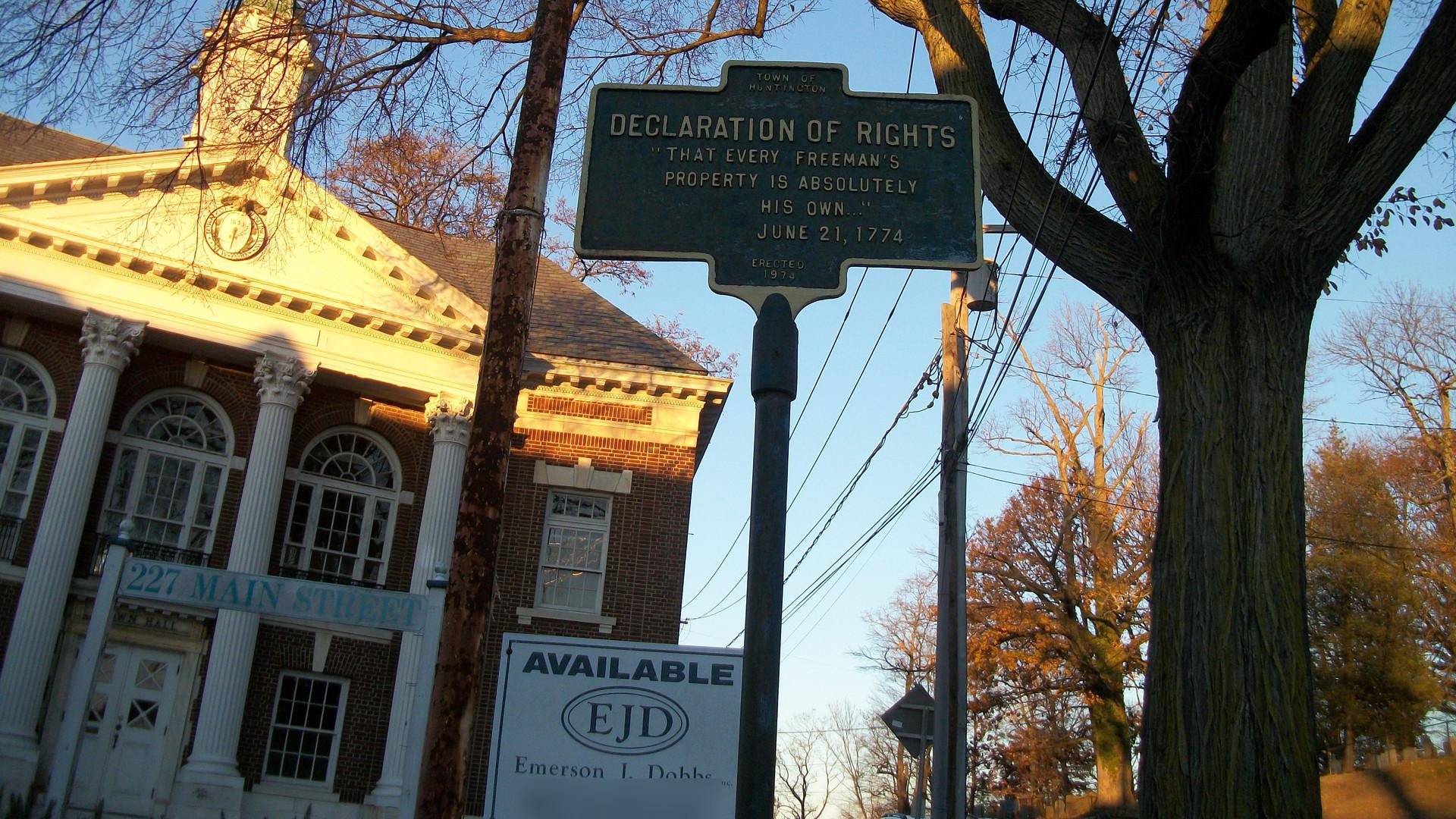
Islip and Huntington will spend 2027 under budgets their town boards never voted to adopt. Both boards let the state's Nov. 20 deadline pass, so each town's preliminary plan, with any changes already approved, became its budget.
In Huntington, the default breaks with the board's own record. The town's financial reports and budget books show it adopted a budget before the deadline in each of the previous five years. This year, two special sessions called for deadline day ended without a quorum and without a vote. "The emergency is that the budget does not balance. The math is wrong in it," Supervisor Edmund J. Smyth said at the first session. Of the plan he then had to file with the county, he said, "I'm submitting it as is. I have no choice."
Islip's own records cannot show whether this year is a departure, because the town's published budget books for 2021 through 2026 do not record how those budgets were adopted. Its agendas before the deadline listed a capital budget but no adoption of the operating budget. The state Comptroller's guidance explains what happens when a board misses the deadline but publishes no count of how often it happens. Smithtown, Riverhead and Shelter Island all adopted their 2027 budgets by recorded votes this month. Supervisor Angie Carpenter and the Islip board, and Smyth and the Huntington board, were asked in writing why their boards did not hold an adoption vote and what the budget now in place means for taxes. Neither town had answered those written questions by the deadline set for replies.
Huntington's board had amended its preliminary plan days before the deadline. Notices read at the special sessions described those amendments as already adopted, and the agendas were limited to measures that would have rescinded or altered them. Councilman Dave Bennardo wrote that he was out of town and had received about a day's notice. Councilwomen Theresa Mari and Brooke A. Lupinacci said in statements read into the record that they would stay away, citing a Town Law requirement of at least two days' written notice for a special meeting. Mari wrote that attending would waive that objection.
Smyth said notice had gone to the members and that showing up would cure any defect. Councilwoman Jennifer Hebert, the only other member present, said, "I'm very sorry that we're not doing the work of the people here tonight."
Huntington's preliminary budget called for a levy of about $170 million, up about 18 percent from about $144 million, against an allowable increase of under 3 percent. Smyth wrote in the budget that "it has become impossible to remain under the tax cap without cutting Town services." Huntington has yet to publish a revised budget showing the levy after the amendments or what it means for a typical homeowner's town tax.
In Islip, the board never revised its operating plan, so that preliminary plan, unchanged, is now the budget.
The state tax cap bars a town from passing a budget over its cap unless the board first approves a one-year override by local law with 60 percent of the board's total voting power. The State Comptroller's guidance bars a town from collecting a levy over the cap without that override and applies the rule to a budget that takes effect by default, leaving the town to bring its levy down to the limit.
Each town's final levy, and whether it stays within the cap, will be set when the town certifies its tax warrant.
You Might Also Be Interested In

Jewish Groups Protest Roger Waters Concert at Riverhead Theater

Ten Children Find Permanent Homes at Suffolk's National Adoption Day
Brentwood Man Gets 6 Years for Selling Fentanyl Pills to a Man Who Died