
Islip's $306.5 Million 2027 Budget Takes Effect Without a Town Board Vote, Carrying a Levy Increase of About 12 Percent
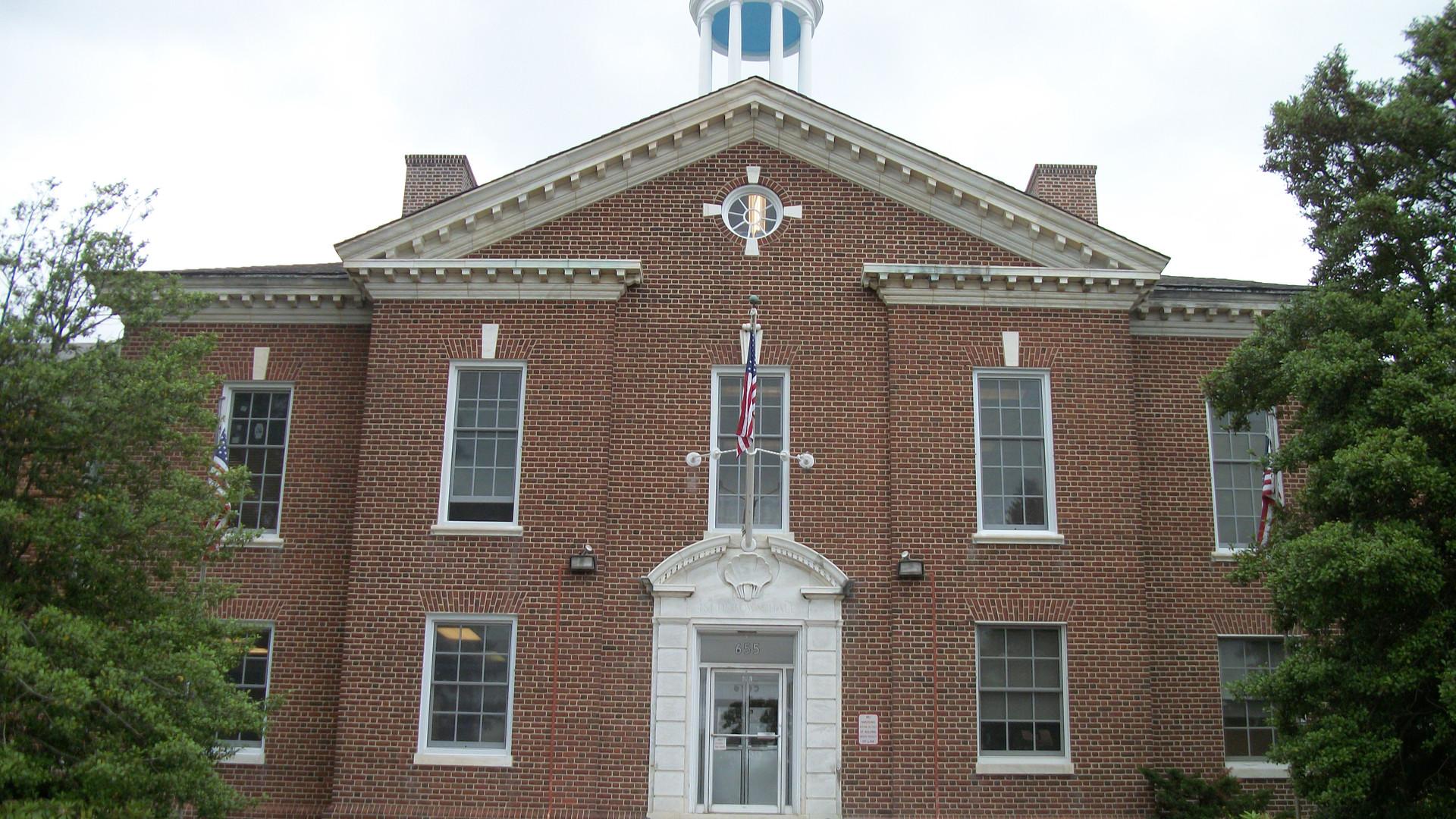
Islip now has a 2027 operating budget that its Town Board never voted on, after the board let the state's Nov. 20 adoption deadline pass without acting on Supervisor Angie Carpenter's $306.5 million spending plan, which raises the town property tax levy by about 12 percent.
Section 109 of New York's Town Law, which governs the outcome, requires a town board outside Westchester and Monroe counties to adopt its budget by resolution no later than Nov. 20, and it provides that if the board fails to do so, the preliminary budget, with any changes the board has already made, becomes the budget for the coming year. The board's posted records show no amendments to Islip's operating plan, which leaves the supervisor's proposal in place as presented.
The figures the town presented at its Nov. 5 budget hearing put 2027 spending at $306.5 million, up $17.6 million, or about 6 percent, from the $288.9 million adopted for 2026. The town's published 2026 budget book lists total 2026 expenditures of $288,894,945. The property tax levy rises from about $159.2 million to about $177.9 million, and town finance officials estimated that the town portion of an average household's bill would climb by about $135, from $772 to $907. Town officials attributed roughly $15.2 million of the increase to five costs, led by a new garbage disposal contract at about $4.4 million, along with contractual salary increases of $3.8 million, debt service of $3.2 million, employee health insurance of $2.5 million and pension contributions of $1.3 million.
At the Nov. 5 hearing, Carpenter moved to adopt the budget, and none of the four council members seconded the motion. Councilman Michael McElwee has said the supervisor prepared the plan without meaningful input from the rest of the board, and Councilman John Lorenzo has cited the cost of living facing residents in declining to back it. Carpenter's office has said council members had the proposal since mid-September and offered no changes. Accounts of the Nov. 5 hearing say town officials described the 2027 levy as exceeding the state's property tax cap. A tax-cap filing or override resolution for 2027 was not among the town documents in the file. The 2026 budget book shows the town chose to pierce the cap for the current year, citing new labor contracts, utilities, health insurance, retirement costs and a new ambulance headquarters in Brentwood, among other pressures.
When the board met again on Nov. 17, its 37-item discussion agenda included adoption of a separate 2027 capital budget, which had its own public hearing on Nov. 5, and contained no item to adopt the operating budget. The proposed capital plan sets 2027 capital spending at $46,454,400, against the $82,843,400 that town departments requested, with $22,244,000 for public works, $18,550,000 for recreation and $2,648,000 for environmental control. The same document projects capital spending of $76,446,200 in 2028, $81,945,400 in 2029 and $45,605,400 in 2030.
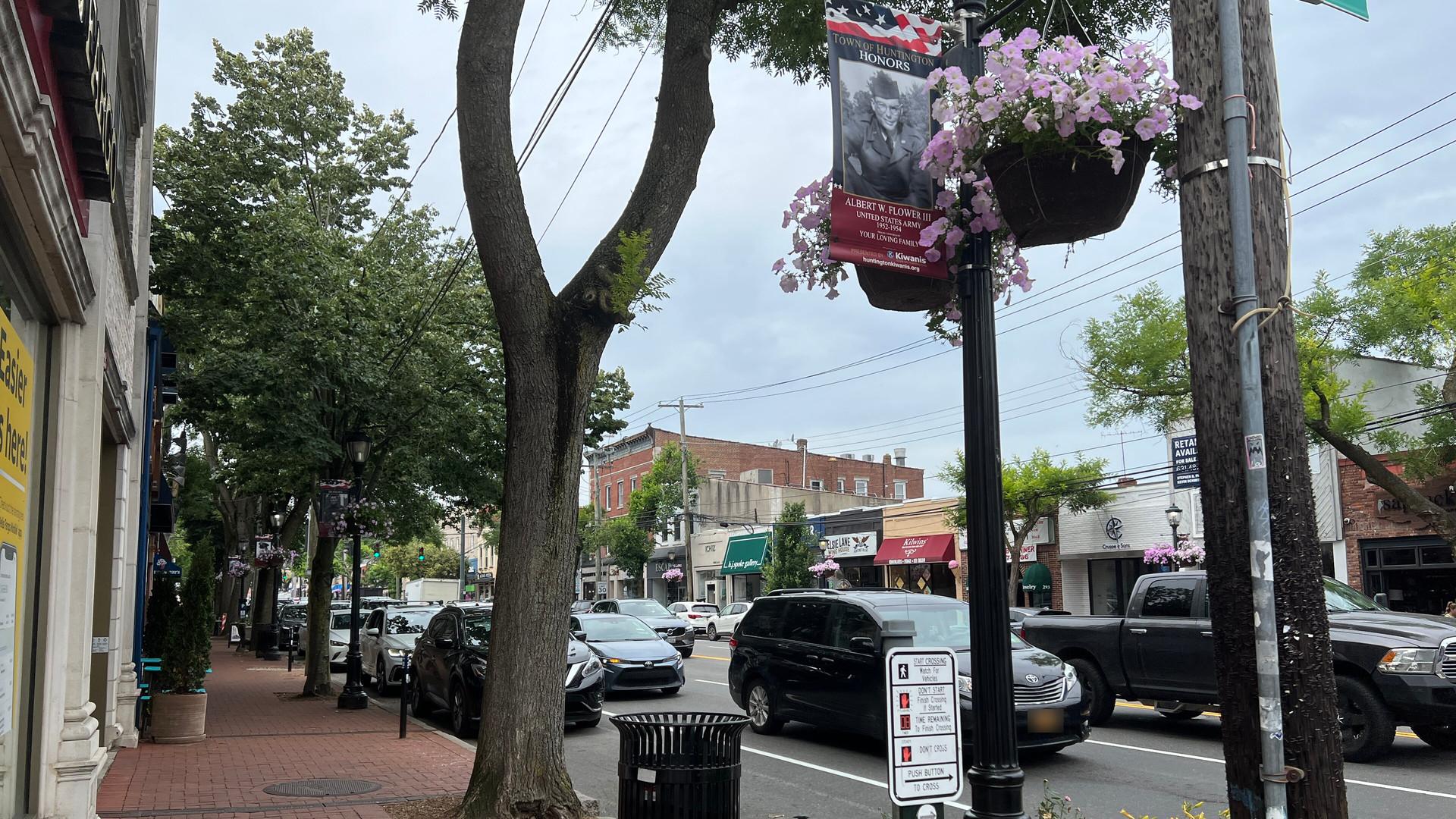
Huntington also reached the deadline without adopting a budget, after two special meetings called for Nov. 20 ended without a quorum, leaving that town's amended preliminary budget in place under the same section of state law.
The 2027 operating budget is now in effect under Town Law Section 109, with the $306.5 million spending plan and the higher levy the supervisor presented, because the board neither adopted the plan nor amended it before the Nov. 20 deadline.
You Might Also Be Interested In
Huntington Budget Deadline Passes With No Recorded Adoption Vote
Port Jefferson Native Rob Free Retires as LIRR President After 34 Years as MTA Names Paul Grether Acting Chief

Malverne Author Honored for Memoir of His Daughter's Neonatal Crisis