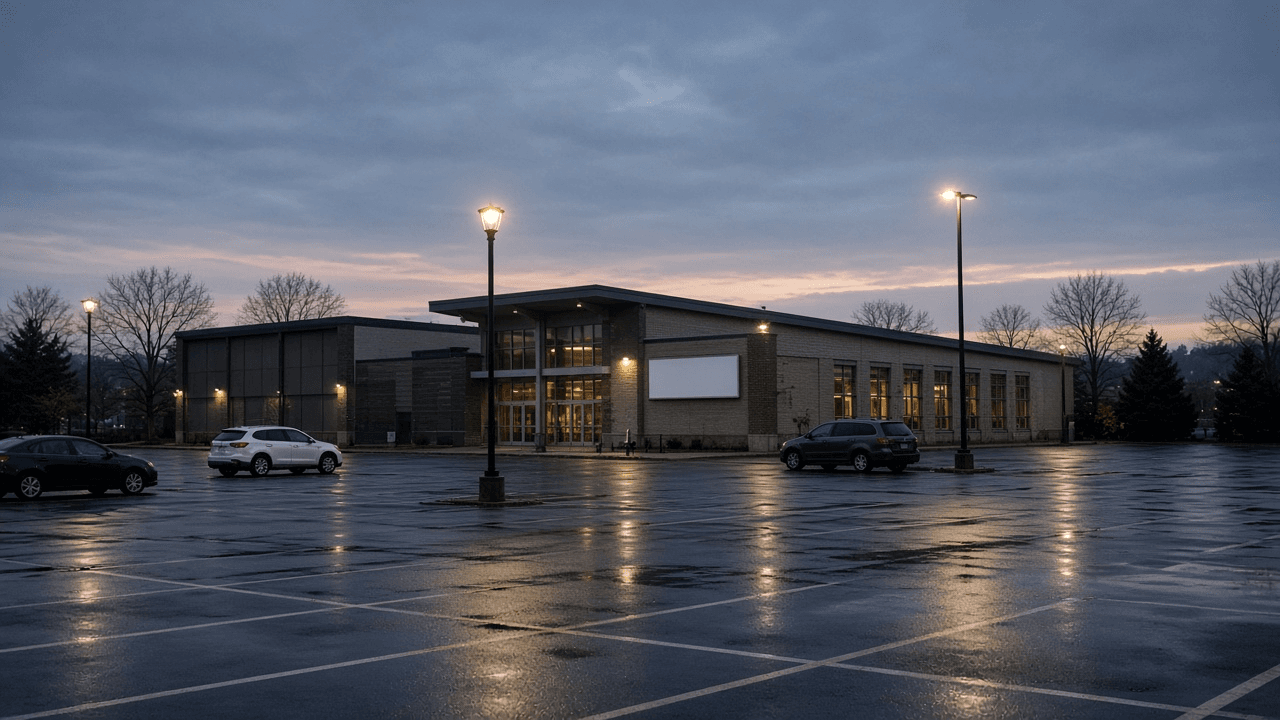

Muslim Group Takes Islip to Court After Zoning Board Bars Students From Living at Bay Shore School
The United American Muslim Association says the town gave written approval for dormitories before it bought the former Montfort seminary, then reversed course after neighbors objected.
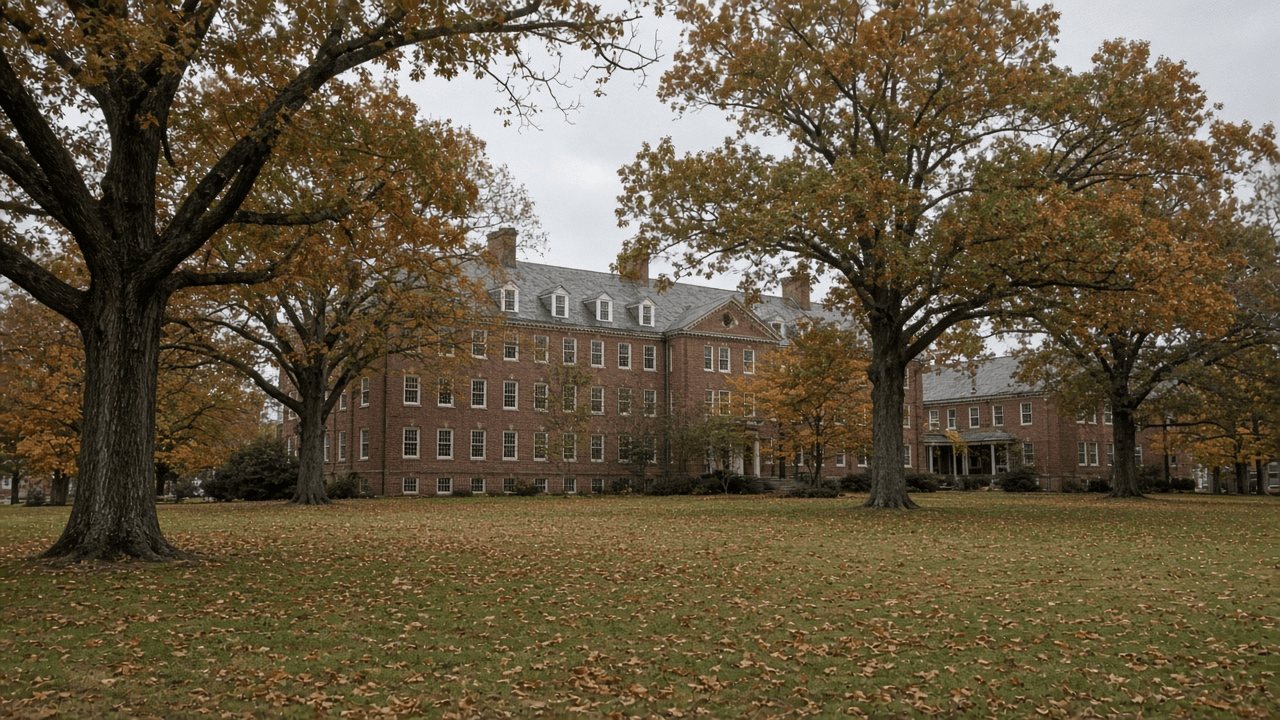
A Long Island Muslim organization has gone to state court to undo an Islip zoning ruling that would keep students from living at the Islamic school it plans to open on a Bay Shore campus where Catholic priests once trained.
The group, known as the United American Muslim Association, lodged an Article 78 petition in Suffolk County's branch of state Supreme Court naming Islip's Zoning Board of Appeals. The petition asks a judge to throw out the board's September decision and put back in place the town's earlier finding that boarding was allowed on the property.
The association wants to run Bay Shore Academy there, a parochial school pairing regular classes with Islamic study and worship. The plan calls for about 120 boys to enroll and live on campus, with roughly 20 faculty and staff members also residing on the property. The campus sits at 26 South Saxon Avenue, south of Montauk Highway, in a Residence AAA zone, according to town records.
The campus has a long religious history. The Montfort Missionaries opened a seminary and boarding school on the land in 1926, and students lived there until the school shut down in 1972. After the school closed, the missionaries kept the property as their base and housed retired clergy there. The dormitory buildings are still standing, according to the association's lawyers.
The dispute turns on whether housing students counts as an accessory use, meaning one that comes along with a use the zoning code already permits. According to the petition, a town plans examiner told the association in writing, before it bought the land, that a parochial school was allowed in the district and that students could board there. The association says it relied on that answer when it closed on the purchase in June.
Two residents appealed the examiner's ruling in May. Their appeal went before the zoning board at a public hearing on July 21. The town's posted agenda framed the question narrowly: whether boarding is an accessory use the code allows for a parochial school in that residential district, citing Town Code section 68-45 as well as 68-48.
Much of that night's debate centered on the academy's own website and promotional materials, which opponents said described plans for a day care and outside events that went beyond the zoning application. A lawyer for the association told the board those activities were not part of the proposal and disavowed an earlier promotional video. In September the zoning board sided with the two residents on the boarding question. The board agreed that an Islamic school was a permitted use of the site but concluded that the dormitory plan fell short of what the code requires of an accessory use.
In the court filing, the association's attorneys argue the board ignored decades of boarding at the same address, misread the zoning code and leaned on speculation about activities the group had specifically left out of its application. They also say opponents made anti-Muslim remarks during the board's public hearing and contend that faith groups deserve the same footing as anyone else before a zoning board.
The group is represented without charge by Linklaters, a law firm. Muhammad Faridi, a partner there, said in a statement that "for nearly fifty years, students lived, learned and prayed on this property."
"The faith of the students may change; the law's protection must remain constant," Faridi said. "The anti-Muslim sentiment expressed at the hearing has no place in zoning matters."
Mahmut Salihoglu, who heads the association's Dix Hills branch, said the group picked the Bay Shore campus "because of its long history of religious boarding education" and went ahead "in reliance on the Town's written approval."
"We remain committed to opening the school and creating that opportunity for our students and families, in harmony with the broader Bay Shore community," Salihoglu said.
Founded in 1993, the association now operates at three locations on Long Island, according to its lawyers.
You Might Also Be Interested In

House Speaker to Headline Suffolk GOP Rally
Suffolk Landbank Wins $4.84 Million State Award to Bring 11 Factory-Built Starter Homes to the County

Suffolk Signs On to Operation Safe Stop, Vowing Zero Tolerance for Drivers Who Pass School Buses