Navy Says Most of the Bethpage Groundwater Plume Is Under Control
Officials say Bethpage tap water meets state standards as a third plant is still years away
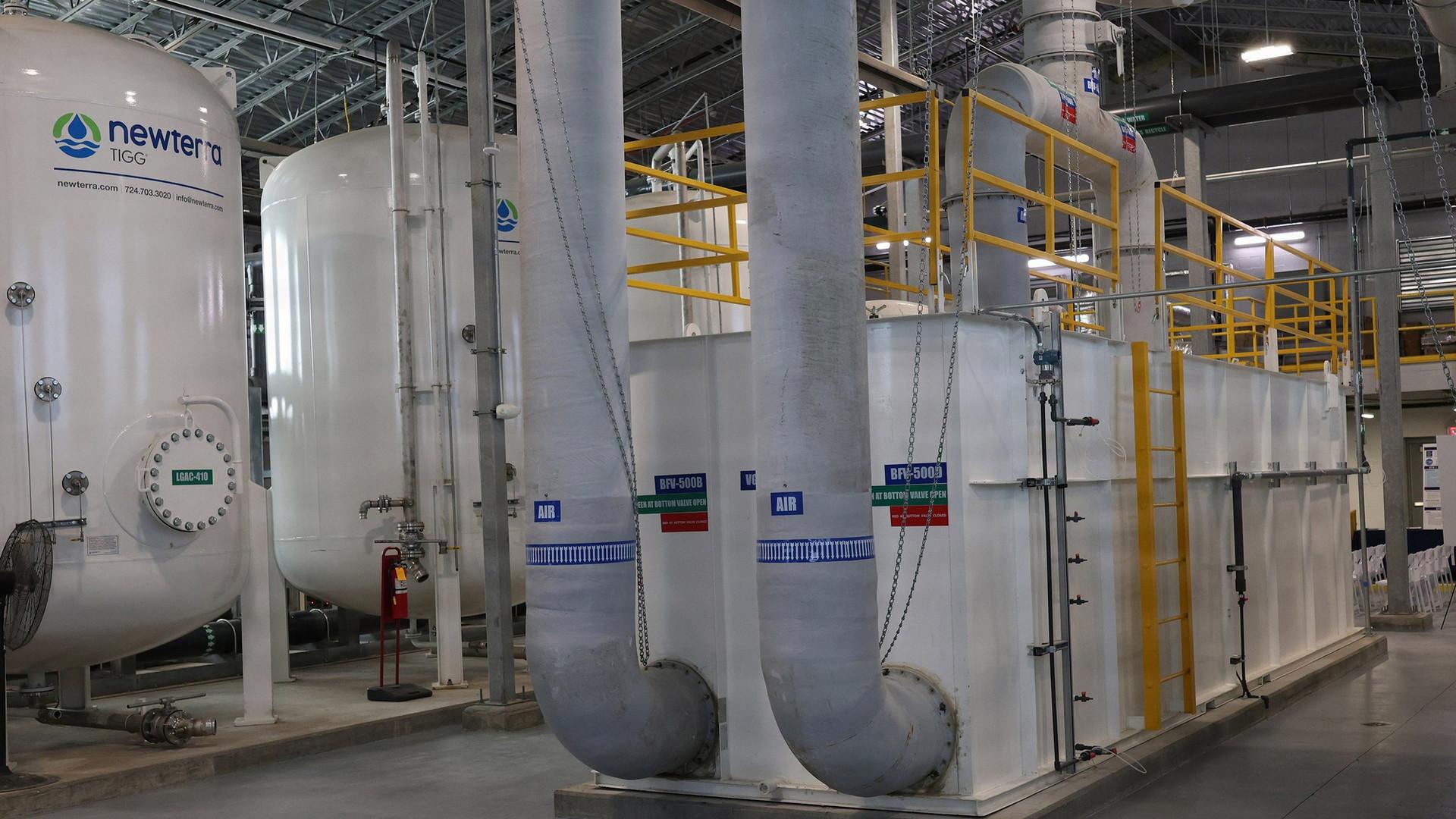
State health and environmental officials say tap water in Bethpage and nearby districts is safe to drink and meets state standards. In March, the Navy said it has active control over more than 97 percent of a solvent plume and has removed more than a fifth of the contamination. Its Phase II plant has been running since February.
Aircraft work that began in the 1940s at the Navy's reserve plant in Bethpage, operated under contract by Grumman and later Northrop Grumman, and at the adjoining Grumman yards, left trichloroethene, or TCE, and 1,4-dioxane in the groundwater. State and Navy descriptions put the plume at about four miles long, about two miles across, and hundreds of feet down. The state has named the Navy and Northrop Grumman as the parties that must contain and treat it.
In 2019, the state ordered a plan to contain the plume with extraction wells and treatment plants, and to return the cleaned water to the aquifer. The design called for about two dozen wells and five plants, at a cost then put at $585 million.
DEC said in January that the two parties were already running 20 extraction wells that together take about 10 million gallons of contaminated water a day. The Navy's Phase II plant is built to handle about three million gallons a day, and it returns the cleaned water to the aquifer. In March, the Navy said it expected the plant to reach full design capacity by midyear as the remaining wells came online.
Northrop Grumman runs a containment system meant to keep contamination from leaving the former plant grounds, and a plant that has been treating water from interior wells since August 2023. By January, DEC said that plant had cleaned more than 1.6 billion gallons and removed almost 19,000 pounds of the solvents.
A third Navy plant, to be built on the south side of Southern State Parkway, is intended to intercept contamination that has already moved past Phase II. An interim system has been operating there since June 2025. DEC said in January that sampling along the parkway had not found site contaminants above drinking water standards. Northrop Grumman has also been studying whether more wells are needed near Hempstead Turnpike and the Seaford-Oyster Bay Expressway.
Karnig Ohannessian, a Navy deputy assistant secretary, said in March that the service remains "fully committed to protecting human health and restoring the aquifer." A five-year review the Navy completed with DEC, finalized in March, found the remedies now in place protect people and the environment.
A consent decree filed in 2022 requires Northrop Grumman to carry out its share of the state's containment plan. Separate from that decree, a federal consent judgment entered in May 2022 provided $20 million from the United States, plus $29 million from the company, to Bethpage's water district, $49 million in all, much of it for advanced treatment at Plants 5 and 6. The Navy said in March that it had compensated two local districts and still treated solvents at a third, where talks on 1,4-dioxane upgrades were under way.
The Bethpage Water District treats all of its wells and has specialized wellhead treatment at several plants. In its report on 2025 water quality, the district said the supply met federal and state requirements. South Farmingdale runs air strippers and an advanced oxidation unit. The Massapequa Water District has long insisted that the plume be stopped before it reaches its wells, and the Navy's third plant is meant to do that, with construction set to begin in 2027 and startup in late 2028.
You Might Also Be Interested In
Suffolk Leads Eastern New York in Bankruptcy Filings as Business Cases Climb

Late Knight Warriors Says Gala Raised $20,760 for Paws of War

Romaine Asks Suffolk Residents to Keep Holiday Buying at Hometown Stores