
New York Assembly Examines Plate-Reader Data Rules
New York Assembly committees examined automated license-plate readers Monday in Albany, weighing statewide rules for a technology that records vehicle movements. Existing bills would restrict access to the information and generally require deletion within 48 hours.
Witnesses included Raymond Tierney, Suffolk's district attorney and head of the statewide district attorneys association, as well as Craig Apple, Albany County's sheriff. Apple also heads the statewide sheriffs association.
Written testimony from New York Civil Liberties Union urged restrictions on the technology. Daniel Schwarz, its Senior Privacy and Technology Strategist, argued that keeping everyone's location information against the possibility of some future use amounts to mass surveillance. Records of ordinary journeys can reveal personal associations and activities unrelated to a crime, the organization warned.
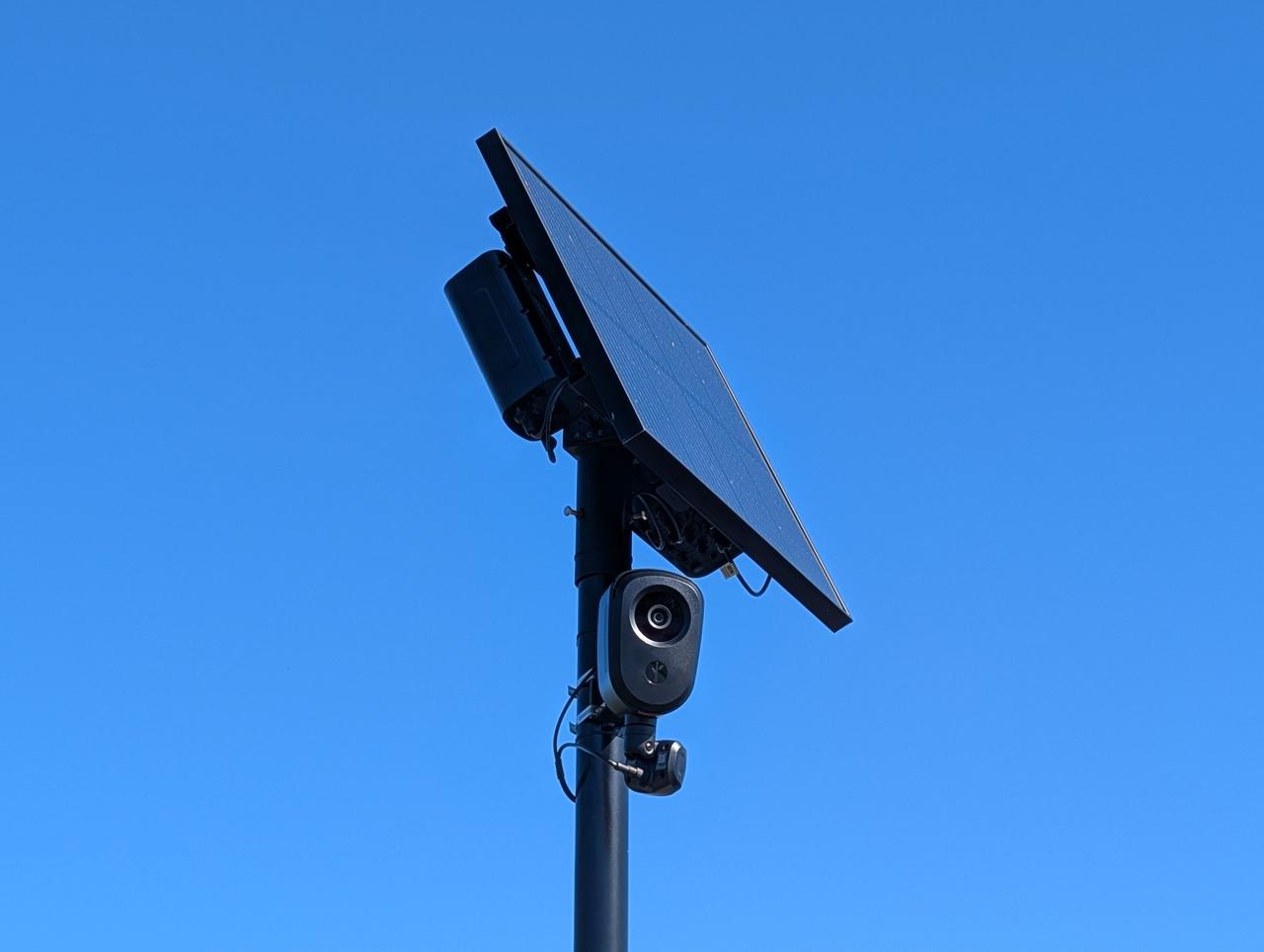
The cameras photograph vehicles and software converts the plates into searchable information. The records can include when and where a vehicle was seen, along with its appearance. Unlike a witness who notices one suspicious car, the systems can preserve information about other drivers traveling through the same place.
The Assembly's hearing notice said New York lacks a universal minimum standard for how plate-reader information is used and shared. The session was organized by the Assembly's consumer-protection, local-government and governmental-operations panels. Its stated purpose included both public safety and protections for individual privacy.
A pair of bills already before lawmakers offers a detailed set of restrictions on the cameras and their databases. The civil liberties union endorsed companion measures A.10808-A and S.9890-A. The Senate version would generally require government agencies to erase captured information within 48 hours, with exceptions including evidence-preservation duties, enforcement matters, defense requests and judicial orders.
The bill would not prohibit every use of the technology. It lists permitted functions involving specified criminal and missing-person investigations, stolen vehicles, traffic enforcement, parking restrictions, tolls and access to secured places. Its restrictions extend to information obtained from privately operated systems, which government agencies could acquire only with a probable-cause warrant.
Sharing outside New York government would face limits, with specified exceptions for judicial authority, defense counsel and court proceedings. The bill also distinguishes individual vehicle records from oversight records. It would protect plate information from general public disclosure while allowing access to redacted logs showing how a system was searched.
Agencies would have to publish annual accounts identifying camera locations, scan totals, matches and mistaken matches, along with their policies. They would also maintain search logs recording who sought access, when and why. The proposal permits local governments to adopt tighter restrictions, including bans.
Residents would also have a route to seek records about vehicles they personally own or lease. The bill requires a sworn statement establishing that interest and excludes applicants subject to a protective order involving another owner, lessor or driver of the vehicle. That exception would not open everyone else's travel records to general inspection.
Violations could bring civil consequences. Someone harmed by an unlawful use could seek actual damages or a fixed $1,000 award, plus legal fees and litigation costs. The attorney general could seek a court order stopping ongoing or future violations, and an agency would retain its ability to discipline officials who break the rules.
Another provision would prevent government from introducing unlawfully obtained or disclosed plate information, or evidence derived from it, in state proceedings. A criminal defendant would still be allowed to introduce material that otherwise qualifies as evidence. The bill therefore treats government use differently from a defendant presenting a defense.
Monday's hearing examined both investigative use and the risks of storing location records about ordinary drivers. The proposed legislation addresses access, retention and accountability together. Its deletion deadline and other restrictions remain proposals, not an enacted statewide rule.
You Might Also Be Interested In

Smithtown Students Salute Local Veterans
Southold Weighs Lottery for 119 Short-Term Rental Permits

Waterfront Improvements Underway in East Moriches