

Pennsylvania’s Gas Boom Left a Lasting Mark on Border Communities
Residents on both sides of the Pennsylvania-New York border say natural gas development brought jobs and economic opportunity to Pennsylvania, while leaving many New York landowners wondering what might have been
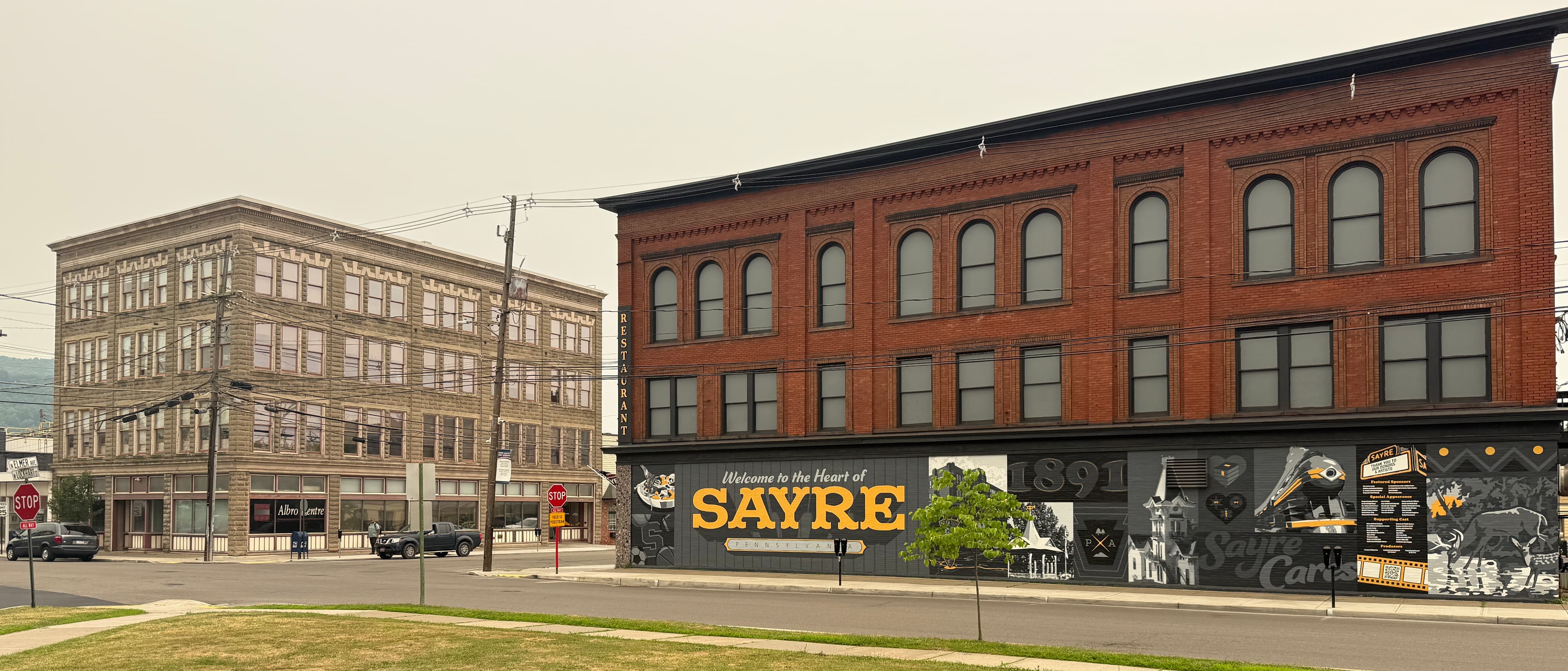
Talk to residents on either side of the Pennsylvania-New York border, and a common theme emerges: the industry’s economic benefits reshaped communities in northern Pennsylvania, creating jobs, supporting local businesses and providing income to landowners—opportunities that never materialized across the border in New York.
Dwayne Smith of Sayre had a 13-year career as a truck driver hauling materials and equipment to well sites. “The job paid well, and the industry was certainly a boon to the economy,” he said, noting that well-drilling activity has tailed off in recent years.
Standing just across the border in Nichols, N.Y., a farmer looks wistfully at a well on a neighbor’s property in Pennsylvania. “It would be nice to have the income from the leases and the royalties, but I don’t like to think about it very much,” he said, adding that he’s a little bothered by the idea of gas being pulled from beneath his property.
“It looks like I’ll never have mineral rights,” the landowner went on. “I know many farmers who struggled and went out of business, especially dairy farmers who just couldn’t keep up with the costs. It would have been nice for them to have some of this revenue.”
The Tioga County farmer said he sees no sign of environmental damage from the wells and said he would jump at the chance to have natural gas service to his home, but ironically, there are no public mains in his area. “I burn about two tons of coal every winter to heat a two-bedroom house,” he noted, “costing about $1,600. Gas would be much cheaper and burn a lot cleaner.”
Sayre resident Cathy Moliski was living in the area when the wells were first built and remembers traffic bottlenecks as workers poured into the region. “There was a camp where many of them lived. It was pretty interesting.”
Moliski said some landowners rushed into drilling agreements, while others banded together to negotiate better terms. “Those are the ones not complaining about what they’re getting from all of this.”
According to Moliski, “You can hardly see the wells from the houses; they’re pretty well tucked away in the countryside. But from the air, it looks like polka dots because there are so many of them.”
The long-time resident said she appreciates how well the sites are maintained. “They’re beautifully done, not cheapy-looking.” She added that reports of increased earthquake activity from fracking are “fake news” and noted the last tremor the area experienced was about five years ago and was very minor. “My husband’s computer monitor shook a little bit; that was about it.”
She also dismissed reports from the Towanda area that people could light the gas coming from their faucets. “Those stories came out years before there was any fracking,” she said.
A customer at the Hotel Bradford Brew House & Beer Garden in Sayre said business picked up during the construction phase. “We could definitely see an uptick in the economy.”
A manager at a local microhotel—one of many that sprang up to accommodate the industry—also recalled the construction boom, though activity has slowed in recent years.
“This is a small area. When an industry like that comes in, it helps a lot of people,” he said.
You Might Also Be Interested In

Suffolk County Legislature Honors 35 Distinguished Young Achievers

BREAKING NEWS: Motorcyclist, 20, Killed in Medford Crash
Construction Begins on $38M Port Jeff Housing