
POW’s Hidden War Story Revealed Decades Later
Leah Freeberg shares the story of her father, Jerome L. Frankel, who was captured during the Battle of the Bulge and survived months as a German prisoner of war.
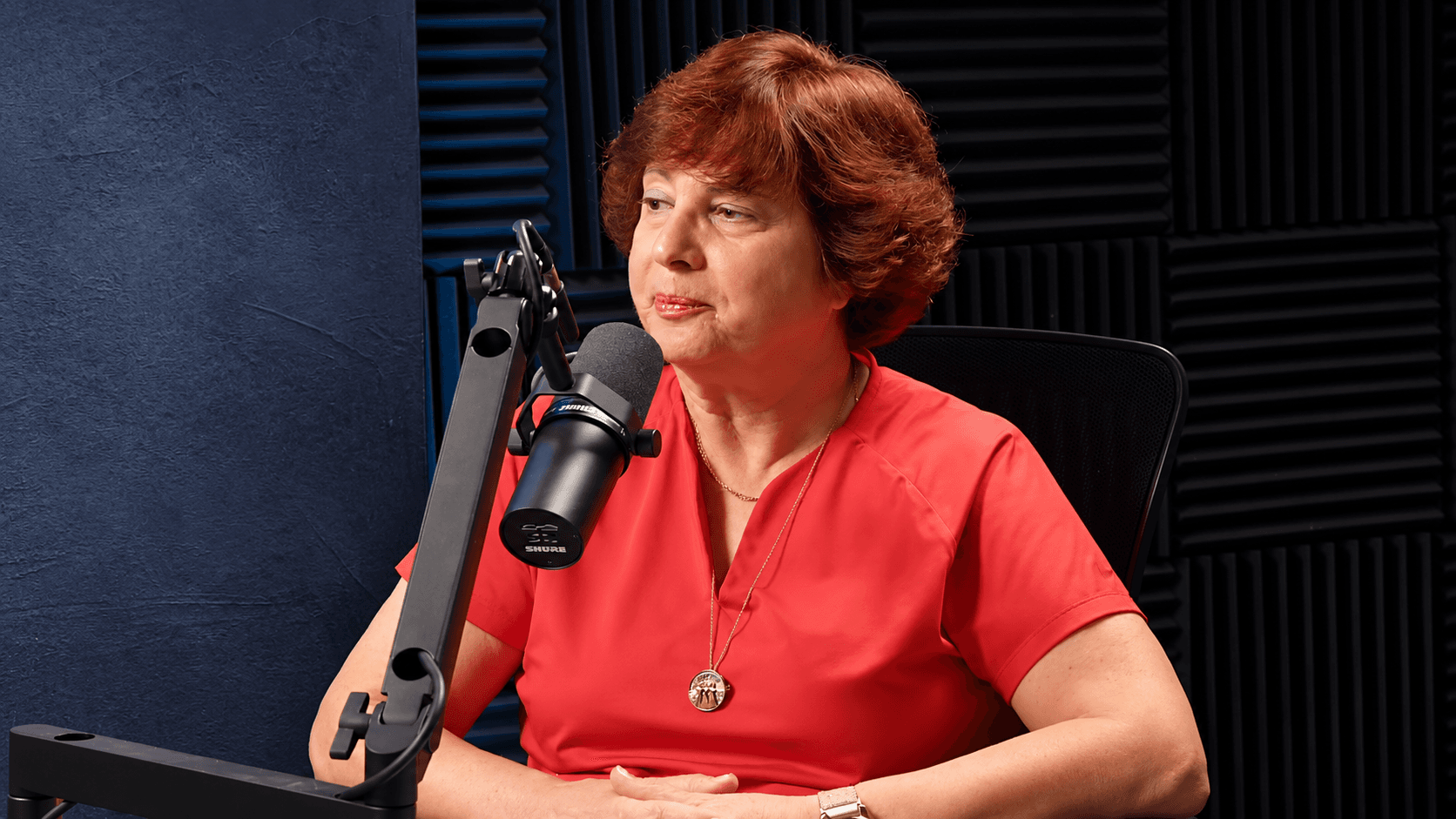
The latest edition of “The Fog of War and Humanity” tells the remarkable story of Jerome L. Frankel, a 19-year-old Jewish American soldier from Brooklyn captured during the Battle of the Bulge who survived forced marches, a German prisoner-of-war camp and injuries that affected him for the rest of his life.
Host Richard Acritelli welcomed Frankel’s daughter, Leah Freeberg, for the two-part podcast produced by the Holocaust Memorial and Tolerance Center of Nassau County.
Frankel entered the Army in 1943 and served with the 423rd Infantry Regiment of the 106th Infantry Division. A radio operator, he carried a roughly 40-pound radio and remained close to commanders on the front lines.
He was captured near Schönberg on Dec. 19, 1944, as German forces surrounded American troops during the opening days of the Battle of the Bulge.
Freeberg said her father removed his identification tags because they identified him as Jewish.
“He didn’t want the Germans to know he was Jewish,” she said.
Frankel was forced to march more than 20 miles to a railway station before being packed into a cattle car and transported to Stalag IV-B in Germany. Freeberg said her father later recalled surviving at times on potato peels.
Yet he rarely discussed the war with his daughters.
“Not one word,” Freeberg said.
Only after his death did she discover a green metal case containing his military records, Purple Heart and a detailed chronology of his wartime journey.
Frankel suffered a shrapnel wound to his wrist and severe trench foot, leaving him with lifelong circulation problems. Freeberg later successfully obtained his Prisoner of War Medal posthumously.
“What is most important to understand is that my father was truly a survivor,” she said. “Many men could not have survived what he endured.”
You Might Also Be Interested In
“Go to Joe” Seeks Fifth Term
Adventureland Gives $15K To Local Nonprofits
FSL Helps Thousands Start School Ready