

Suffolk Confirms First Human West Nile Case Of 2026
Brookhaven resident over 50 shows symptoms in late July as county reports more than 50 positive mosquito samples this season
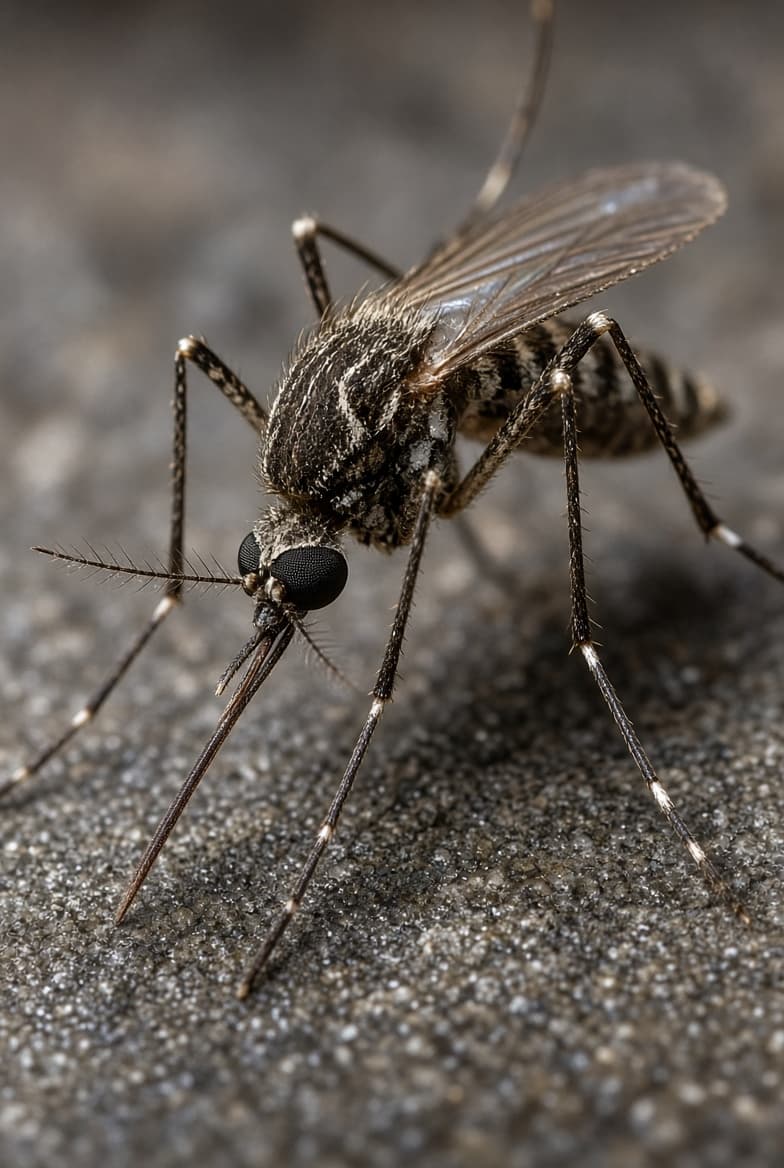
Suffolk County health officials confirmed the first human West Nile virus infection of 2026 on Tuesday. The case involves a Town of Brookhaven resident older than 50 who began experiencing symptoms in late July and did not require hospitalization. The patient represents the only confirmed human infection reported so far this season in New York State according to state and city health data.
The confirmation comes as county trapping locations have already collected more than 50 mosquito samples that tested positive for the virus this year. West Nile virus first appeared in New York in 1999, and Suffolk County recorded its initial human case in 2001. Local numbers have fluctuated in recent seasons, with five human cases logged in 2025 and 21 in 2024. No Suffolk resident has died from the virus since 2017.
Nationally the U.S. Centers for Disease Control and Prevention has recorded 222 human West Nile cases across 32 states in 2026. The CDC reports that about 80 percent of people infected show no symptoms at all. Those who do become ill may experience fever, headache, muscle aches, joint pain or vomiting. People over age 50 face a heightened risk of severe complications such as brain inflammation, a detail that carries direct weight for many Brookhaven households where older residents maintain homes and outdoor spaces.
Suffolk County Health Commissioner Dr. Gregson Pigott noted that mosquitoes are not only a nuisance but can transmit serious diseases. The current case in Brookhaven underscores the ongoing presence of the virus in local mosquito populations and the need for residents to remain alert during peak summer and early fall months.
County officials encouraged residents to wear long sleeves and pants when outdoors and to apply insect repellent containing DEET or other EPA-approved ingredients. They also advised checking window and door screens for holes or tears that could allow mosquitoes inside homes. Regular draining of standing water from flower pots, bird baths and clogged gutters remains a key recommendation because these sites serve as primary breeding grounds in suburban neighborhoods throughout Brookhaven.
The combination of early-season mosquito positives and the first human case signals that transmission is active earlier than some residents might expect. Local health departments typically expand trapping and testing in response to such findings, which helps track spread in specific areas and informs targeted spraying when necessary. For Brookhaven residents this means practical steps taken now can reduce exposure risk at backyard gatherings, evening walks and routine outdoor activities common in the area.
The confirmed case highlights how the virus moves from infected mosquitoes to humans even when most infections produce no symptoms and therefore go undetected. Officials continue to monitor both human reports and mosquito samples to gauge the season's trajectory compared with prior years that saw higher case counts. Residents who notice symptoms consistent with West Nile, particularly those over 50, are urged to contact their health care provider.
The county's prevention messaging focuses on individual actions that limit breeding sites and personal exposure rather than relying solely on broader control measures. With the first human case now on record for 2026, Brookhaven residents have a clear window to apply these steps before peak late-summer activity intensifies further. Checking properties regularly for standing water and maintaining screens provides a direct way to lower risk in neighborhoods where outdoor time remains a daily part of life.
You Might Also Be Interested In

Day School Yes, Dorms No: Islip Blocks Boarding at Bay Shore’s Former Seminary

“Go to Joe” Seeks Fifth Term

Adventureland Gives $15K To Local Nonprofits