Suffolk Flu Cases Run Nearly Four Times Ahead of Last Year's Pace
Statewide flu hospitalizations jumped 30 percent in a week, and last season's Suffolk peak did not come until the week before Christmas
Labs confirmed 922 flu cases in Suffolk in the week ending Nov. 14, more than two and a half times the count for the same week a year earlier, as an early flu season takes hold across Long Island.
The state Health Department's county figures put Suffolk at about 3,000 confirmed cases from the start of the season in early October through mid-November, nearly four times the roughly 800 cases logged over the same six weeks last year. Nassau counted about 3,700 cases this season over the same stretch.
Across the state, labs confirmed about 15,000 cases in the week ending Nov. 21, up 21 percent from the week before, and nearly 59,000 since the season began, the department's weekly surveillance report shows. Flu hospitalizations rose 30 percent that week to more than 1,100, and the season total is above 4,300.
Nearly all of the virus going around is influenza A, and 99 percent of the type A samples the state has sorted by strain are H1. No child in New York has died of flu this season. Hospitals and nursing homes reported 70 outbreaks of respiratory illness in the latest week, and 338 since the season started, a count that includes viruses other than flu.
Dr. James McDonald, the state health commissioner, declared flu prevalent in New York in late October. "It is unusual to see this level of influenza activity this early in the season," the department wrote in its advisory to hospitals and other health facilities, which noted that 59 of the state's 62 counties already had rising or steady case counts.
The declaration changes the rules inside hospitals, nursing homes and other regulated health care settings. Any worker there who has not had this season's flu shot must put on a surgical mask around patients and residents, and the requirement stays in place until the commissioner declares flu no longer prevalent.
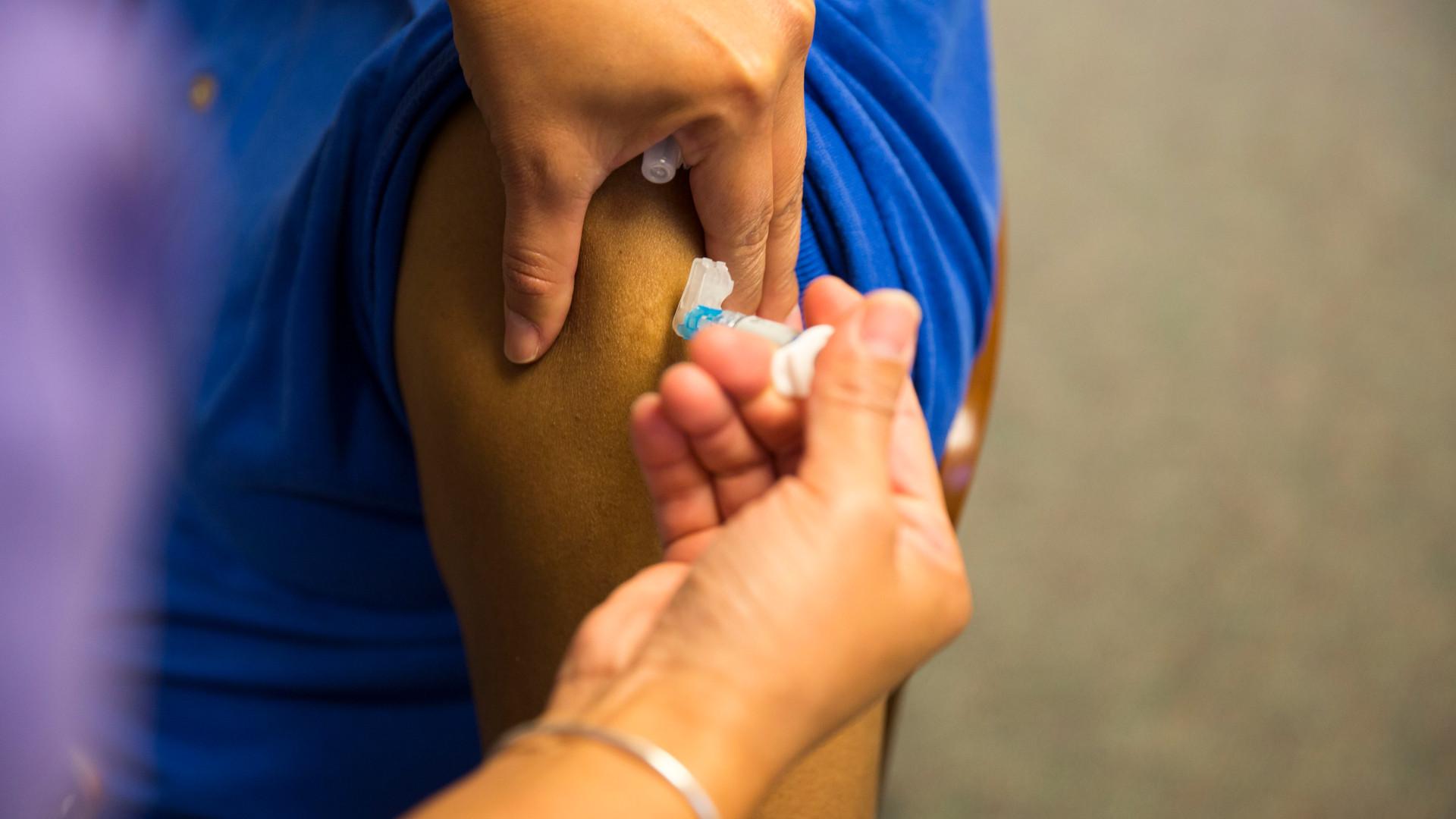
The department says everyone 6 months and older should get a flu shot every year, and it said in October that reported vaccination rates this year are below those of earlier years. Shots are offered at doctors' offices, clinics and pharmacies, and pharmacies can vaccinate anyone 2 and older without a prescription. A shot takes about two weeks to reach full strength, so a dose now would be working by mid-December. Some children need two doses given at least four weeks apart.
"Flu, COVID, and RSV are vaccine preventable diseases and vaccines are the best protection against serious illness or death," McDonald said when the department opened its respiratory virus dashboard in October.
State health officials say anyone who is sick should stay home until at least 24 hours after the fever is gone without fever-reducing medicine and symptoms are getting better overall. Antiviral drugs can lessen how sick a person gets and how long the illness lasts when started soon after symptoms begin. The department lists young children, older adults, pregnant women, people with weaker immune systems and people with heart or lung disease, asthma or diabetes as at higher risk of serious complications.
Suffolk's weekly count last season climbed from about 360 in mid-November to about 7,700 in the week before Christmas, its peak, five weeks later. This season enters the same stretch from a higher base, with 922 cases in the comparable week.
You Might Also Be Interested In

Suffolk Will Burn a Christmas Tree to Show How Fast Homes Catch

Brookhaven Clears Life Time Club for East Setauket, Holds Off on Medford Cell Tower

Suffolk Settles $7.1 Million in Lawrence Aviation Claims, Returning Superfund Land to Tax Rolls