Suffolk Legislature Votes to Open Peconic and Gardiner's Bays to Seaweed Farming
The county will approve no more than six seaweed leases a year, each paired with shellfish farming
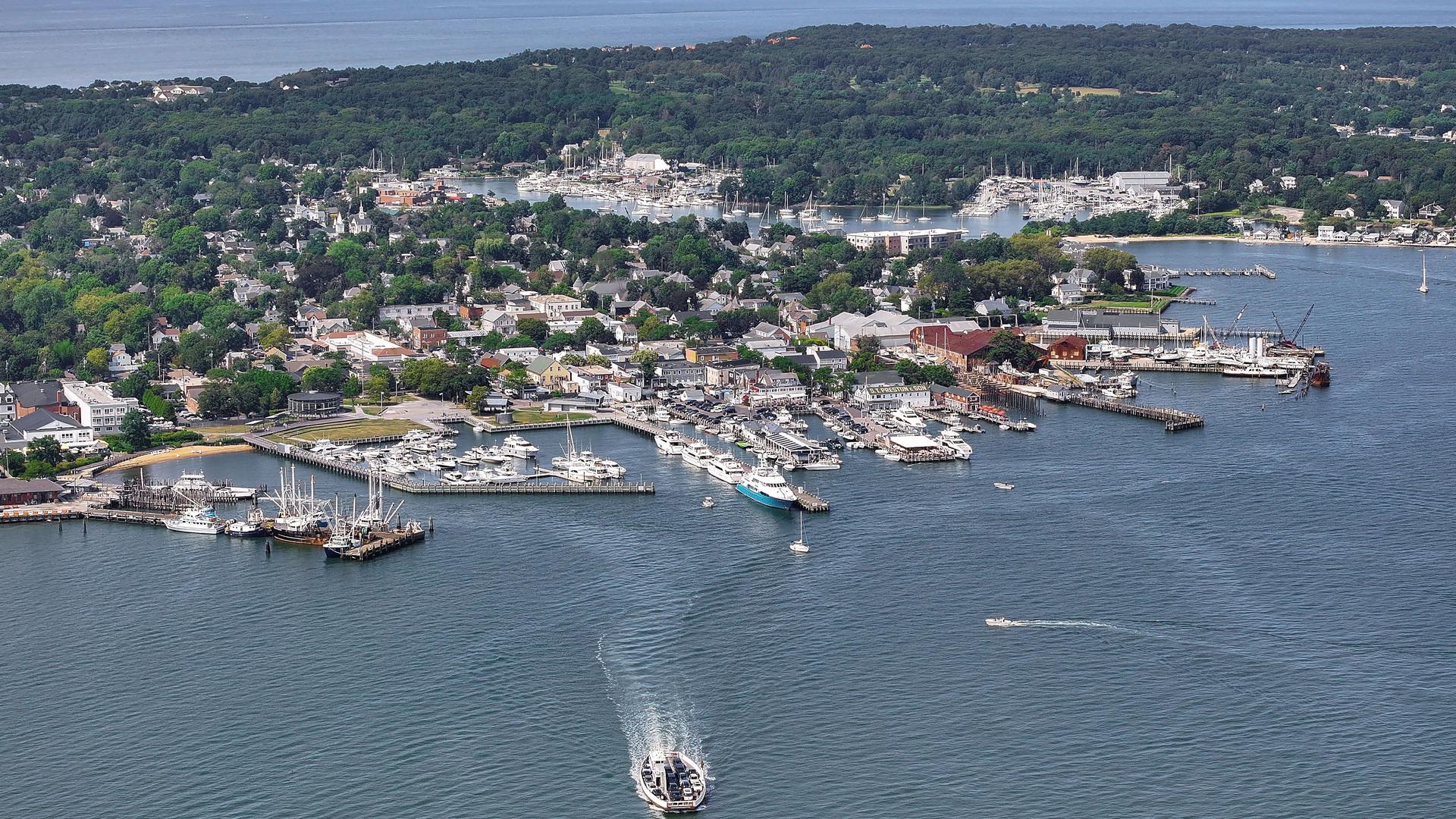
Growers will be able to add native seaweed to county leases of bay bottom in Peconic and Gardiner's bays under a law Suffolk lawmakers passed this week, which merges the county's shellfish and seaweed leasing rules into one program.
The Legislature adopted the measure at its general meeting Tuesday after its environment committee approved it 9-0. County Executive Ed Romaine requested the bill along with Legislators Leslie Kennedy, Ann Welker and Steven Englebright. It goes to Romaine for his signature and takes effect once it is filed with the New York secretary of state.
New York gave Suffolk control of underwater land in the two bays for shellfish farming and later expanded that grant to seaweed after the county finished a seaweed pilot program. The new law scraps the county's separate shellfish and seaweed rules and replaces them with a single set of lease terms, fees and application steps.
The law says shellfish and seaweed farms have proven a cost-effective way to clean the water while supporting small businesses in the county's marine economy. Its environmental findings say seaweed farms are expected to improve water quality in the bays by pulling nitrogen and carbon dioxide out of the water.
Each lease site can cover up to 10 acres, and leased farms in the bays together are capped at 1,200 acres. Historic private oyster grants and noncommercial leases do not count against that cap. Leases run up to 10 years and can be renewed for another 10 at the county's discretion. A grower who cannot show substantial farming activity on a site for two years risks losing it, and every leaseholder must post a bond or escrow to cover unpaid rent or abandoned gear.
Applicants must be adults who can show they know the work, through coursework in aquaculture or marine science, a technical training program, two years on an aquaculture farm or three years in commercial fishing. An application costs $150 for a new lease or to add seaweed to an existing one, and $200 to move or renew a lease. Annual rent on a commercial 10-acre lease starts at $100 for Suffolk veterans, $250 for other Suffolk residents and $500 for growers from outside the county, and it climbs over the lease term to as much as $1,500 a year for nonresidents.
Only native species of seaweed may be grown, and only on lease sites already screened to avoid sensitive habitat and sitting at least 1,000 feet offshore. The law allows no more than six seaweed leases a year, matching the pace of shellfish leases. County program rules tie seaweed to shellfish farming: a grower either applies for a new lease covering both or adds seaweed to an existing shellfish lease, and existing leaseholders must first show their site is in use. At least two of the six slots are reserved for new applicants. Each seaweed site must mark its corners with Coast Guard buoys and get permits from state and federal agencies.
Anyone farming the bays without a county lease faces a $1,000 fine for a first violation and $5,000 for each later one. The county can also fine leaseholders up to $500 for breaking lease rules and can remove abandoned gear.
The county's economic development and planning department will hold a virtual information session for prospective applicants on Dec. 9, ahead of the 2027 lease application cycle, the first to take seaweed applications. Seaweed itself is further off: a county schedule from July puts the first seaweed leases late next year and the earliest possible seaweed cultivation in 2028, if state and federal permits come through.
You Might Also Be Interested In

State Grant Will Reopen a Closed Calverton Soccer Field
State Moves to Reopen Western Long Island Sound to Commercial Striped Bass Fishing
Southampton Declares Emergency After Storm Surf Erodes Ocean Beaches, Closing Tiana