
Suffolk to Repay Millions in Red-Light Camera Refunds
Settlement will return red light camera fees to motorists after decade-long legal fight, marking the final chapter in Suffolk’s controversial traffic program.
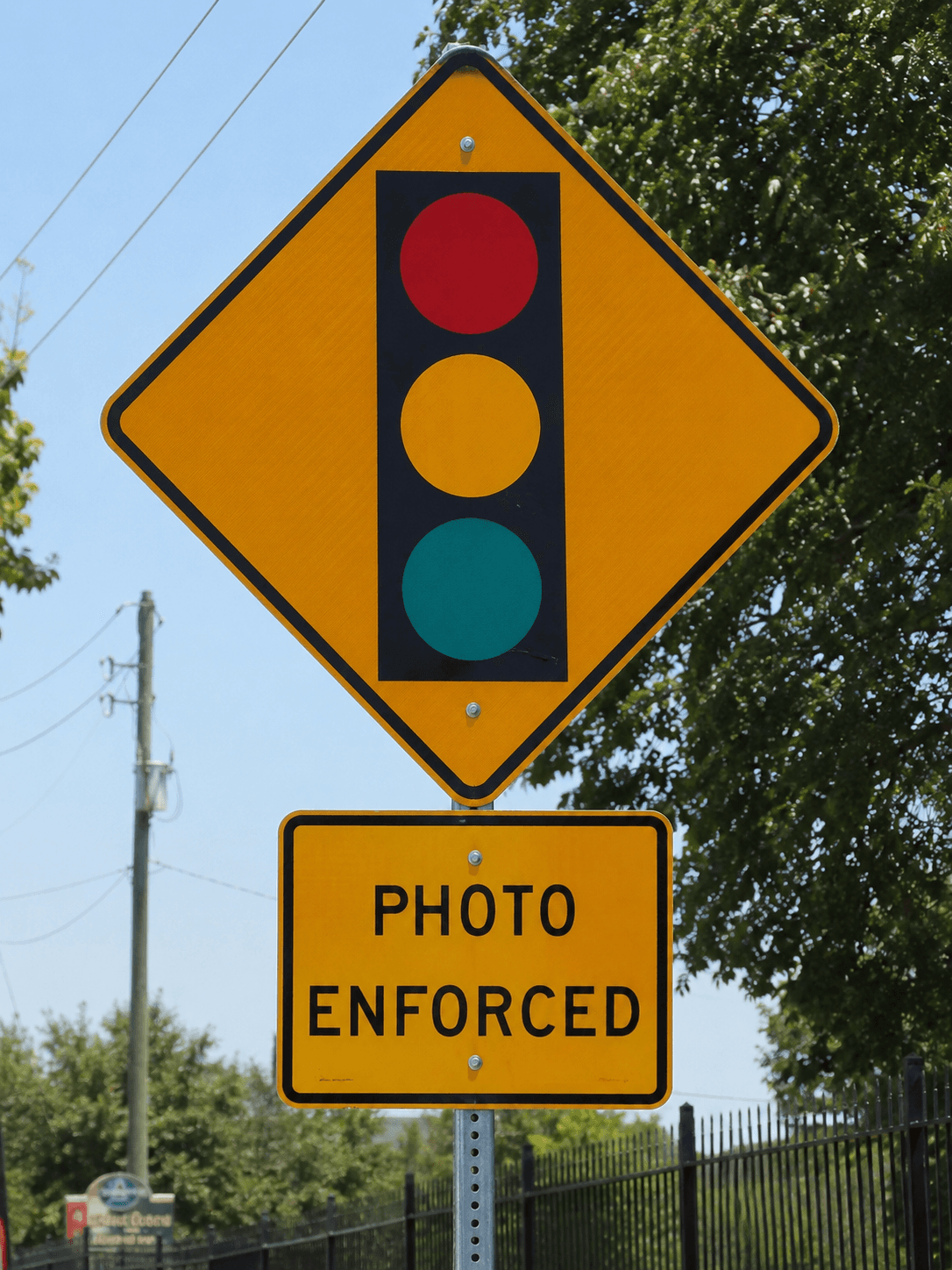
Red-light cameras were installed under former County Executive Steve Bellone to help pad Suffolk’s finances, and now the program has come full circle with the county agreeing to pay back millions to motorists snared by the flash-cam bandits.
“We are vindicated at last,” said Steve Ruth, the “Red Light Robinhood,” who was arrested for taking a Sawzall to the cameras. “They were a pure money grab by the Bellone Administration and unconstitutional. I’m glad the motorists are finally getting their money back.”
According to Ruth, the county reduced the length of yellow lights at intersections to catch more drivers. “People were slamming on their brakes and causing accidents. There were numerous crashes, deaths,” the Port Jefferson resident said, noting that his research couldn’t identify an engineer who signed off on the system.
“The whole thing was dangerous and they knew it.”
The Red Light Robinhood drew a following of thousands of incensed residents who cranked up political pressure on local state legislators to pull the plug on the cameras. Then-Assemblyman Fred Thiele got a bill to renew the program through the Assembly, but no Suffolk state senator would touch it. With the authorizing legislation expiring, County Executive Ed Romaine announced they were finished.
Now comes the financial reckoning.
Under a proposed $57.5 million class-action settlement, Suffolk County will repay drivers up to $36 per ticket—an illegal $30 administrative fee plus $6 in interest—for violations issued between 2013 and 2023. The county collected the surcharge in addition to the $50 state-authorized fine, but New York’s Appellate Division ruled in 2024 that the fee violated state law.
The settlement provides up to $45 million for refunds to motorists, while $12.5 million will cover attorneys’ fees and administrative costs. Because the reimbursement fund is capped, the amount each driver receives could be lower if an unusually high number of motorists file claims.
Drivers will not receive refunds automatically. A claims administrator will mail notices to eligible motorists and launch a public outreach campaign explaining how to apply. A court fairness hearing must still be held before the agreement receives final approval.
You Might Also Be Interested In
Manorville’s Link To Ireland’s Fight For Freedom
Pickup Driver Pleads Guilty In Fatal Hit-And-Run
Lennon Takes On 2,222 Pull-Ups For Veteran Suicide Awareness