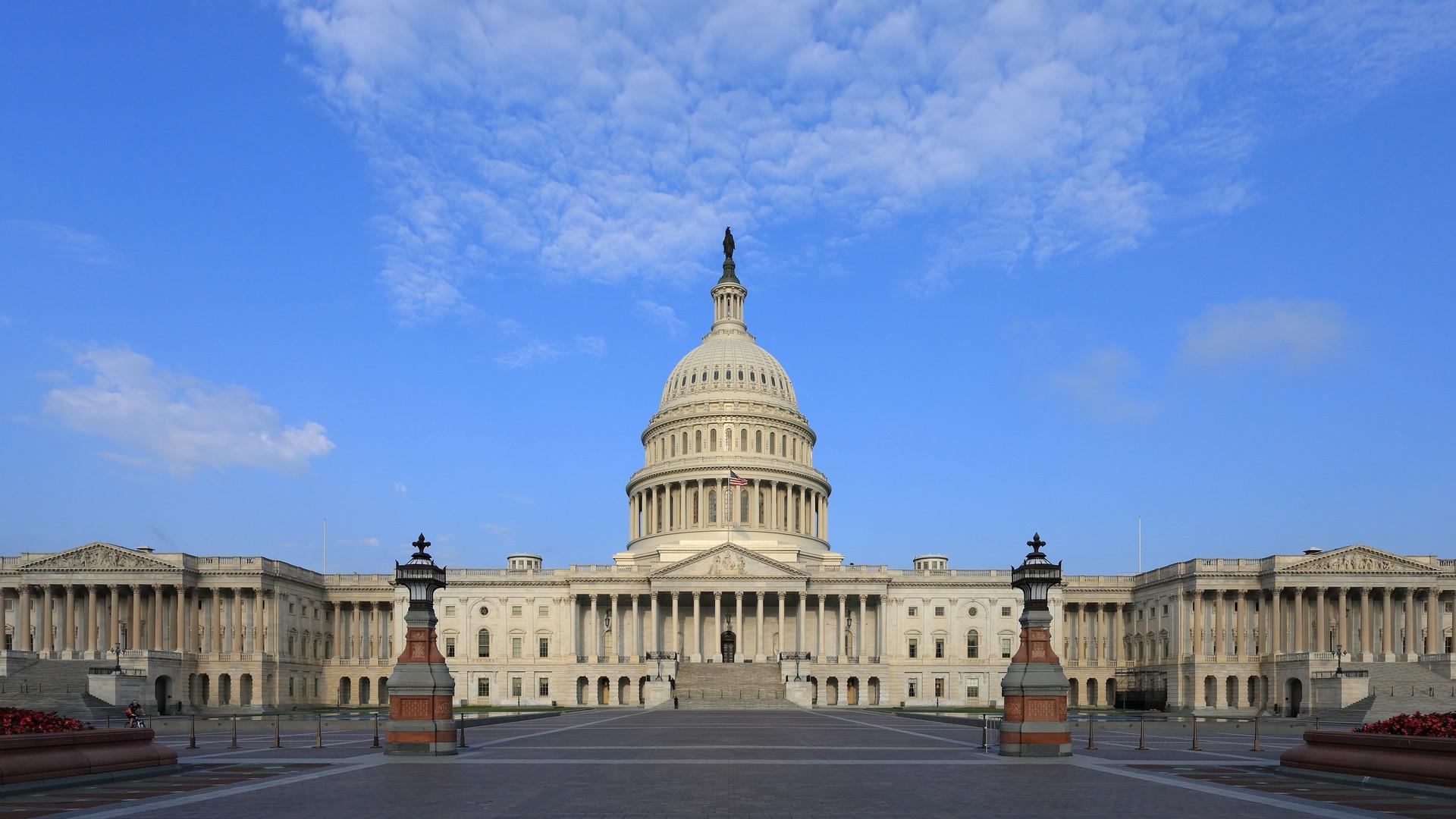
Appeals Court Lets Trump Seek Federal Court for Hush Money Conviction
Judge Lewis Liman inherits the dispute from the late Alvin Hellerstein and must rule promptly on removal
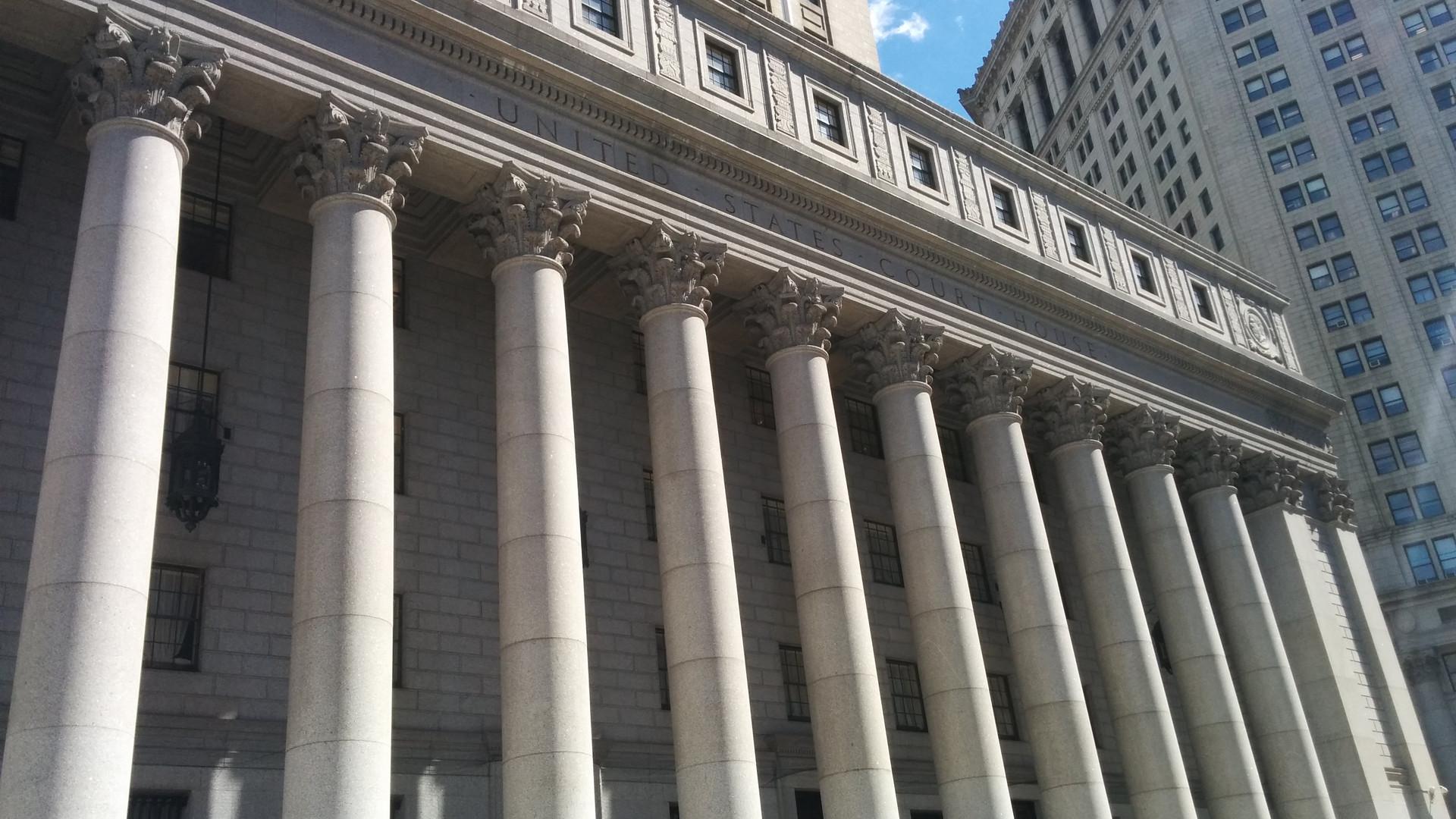
A federal appeals court on Monday opened a path for President Donald Trump to take his hush money conviction out of New York state court. He can now argue presidential immunity before federal judges.
The Second Circuit set aside an August decision by the late Judge Alvin Hellerstein and told the lower court to let Trump submit another removal notice. The two-page order, signed by Chief Judge Raymond Lohier and Judges John Walker and José Cabranes, found two mistakes. Hellerstein was wrong to hold that removal is "categorically unavailable" once a defendant who is a federal officer stands convicted, the panel said, and wrong to conclude that Trump lacked "good cause" for a second try. A full opinion with the court's reasoning will follow, and the clock for any rehearing request starts when it is issued.
After Trump files a motion to remove, the federal trial court is to alert the state trial and appeals courts and ask them to hold off. It must then decide the motion promptly. Should it allow removal, it must adopt the state judgment, which would let Trump pursue his immunity arguments against the conviction in the federal system.
The Manhattan federal court reassigned the case Tuesday to Judge Lewis Liman, the docket shows, after Hellerstein died last month at 92. Hellerstein had rejected Trump's removal efforts before. His August opinion found that Trump let 64 days pass following the Supreme Court's immunity ruling before seeking federal leave, and it called the stated reasons for a repeat removal "neither new nor legally sufficient." That opinion followed a 2025 Second Circuit decision, by a different panel, that sent the question back to him for a closer look at good cause and at how the immunity ruling affects the case.
Trump's lawyers contend that jurors heard evidence of official acts, including testimony from former White House staff members and four social media posts. Hellerstein held that each item concerned private matters, such as a personal payment and a private reimbursement, and the appeals order does not address that finding.
Todd Blanche, who represented Trump when the case first went to federal court, now leads the Justice Department as attorney general. The Senate confirmed Blanche 50 to 49 in August, and Blanche was sworn in days later.
Jurors in Manhattan found Trump guilty in May 2024 of 34 felonies tied to falsified business records. Prosecutors alleged the entries hid reimbursements to Trump's former lawyer for $130,000 paid to an adult film actress before the 2016 election. In January 2025 the trial judge imposed no punishment, an unconditional discharge that left the conviction standing. Trump has denied wrongdoing.
The conviction is also under appeal in state court, where a five-justice panel of the Appellate Division heard arguments earlier this month and has not ruled. At the federal argument last week, Trump's lawyer Robert Giuffra asked the panel to move the matter to federal court so immunity claims get a hearing there. Steven Wu, an attorney for the Manhattan district attorney, urged the panel to keep the matter in state court, arguing the request came too late. Trump's legal team praised the order as a "prompt and correct ruling" through a spokesperson, while the district attorney's office declined a request for comment.
Removal would settle only which court hears the matter. The verdict and the discharge stand unless a court rules otherwise.
Next, Trump must file his removal motion, Liman must rule, and the full appeals opinion is due. The order also asks the district court to request a pause in state court, which would hold up the Appellate Division's decision on the conviction.
You Might Also Be Interested In
Army Presses Ahead With Iowa Lead Azide Blast After Appeals Court Ruling
Unsealed Omar Search Records Show Prosecutors Probing Conduct Back to 1980
Rep. Jimmy Gomez Resigns Over Ethics Finding of Unwanted Advances on a Staffer