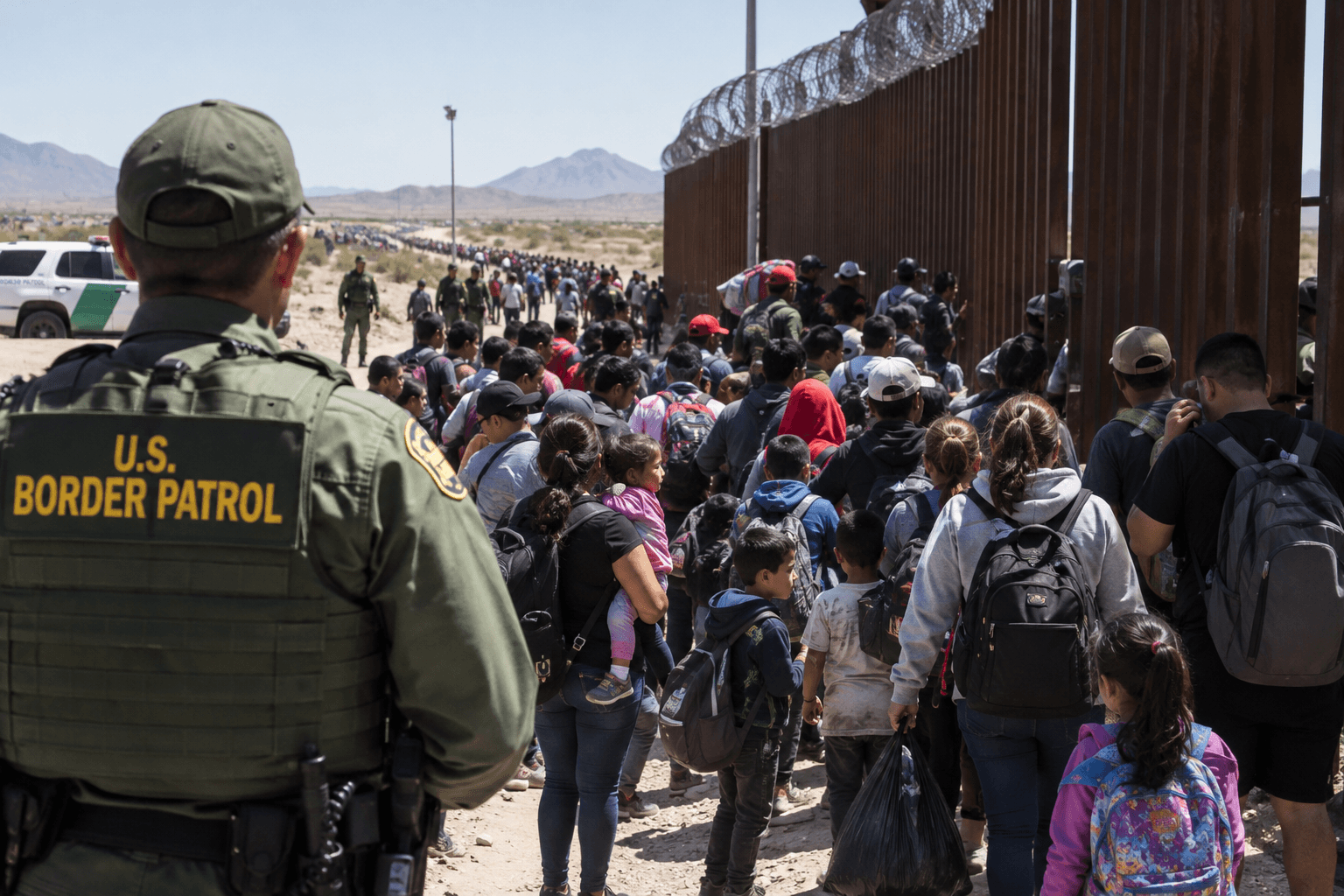

France's Riots Are a Warning Americans Should Read Closely
The government blames far-left agitators and looters. The problem for both continents is how fast our cities have been allowed to change.
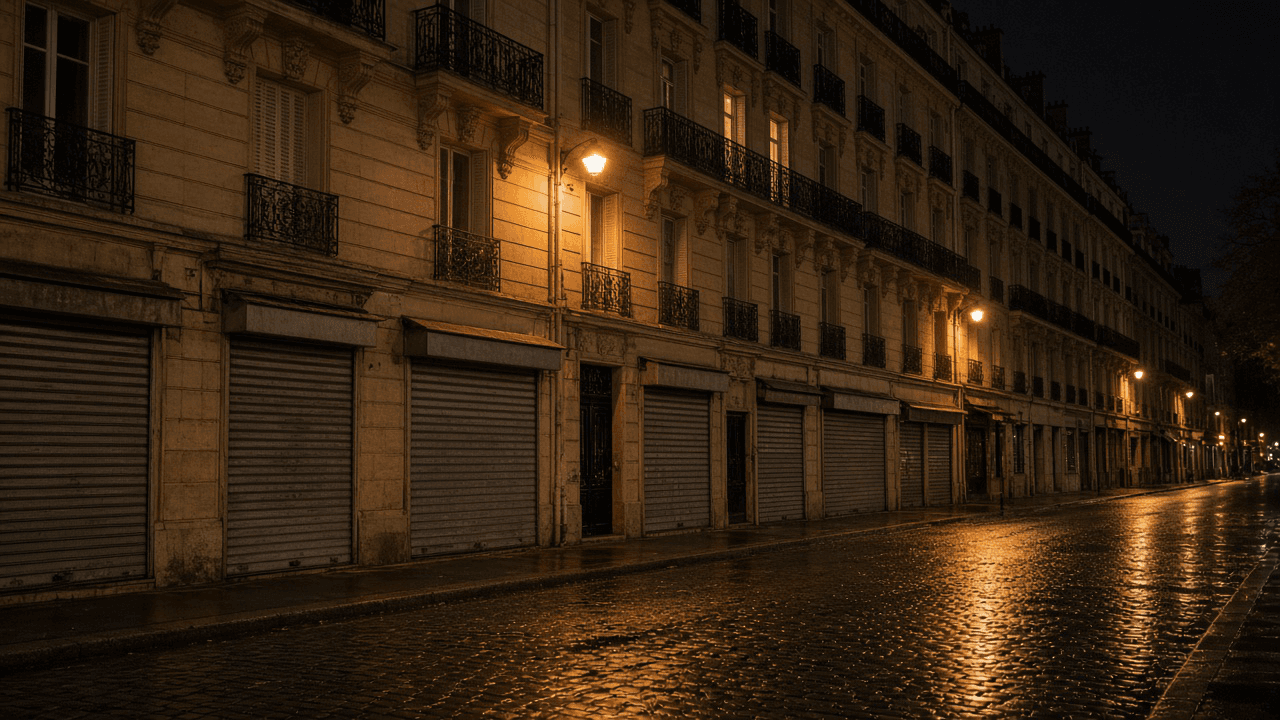
Paris is more than a capital. Its cathedrals, bridges, fountains and parks carry centuries of the civilization Americans inherited, an inheritance that runs from Athens and Rome to Philadelphia. Every American should be troubled by what happened across France this past week.
On Saturday, Oct. 17, the Interior Ministry said 550,000 people marched across France. On the margins of those marches, in the ministry's words, rioters "chose violence." They went after town halls, prefectures and "many shops," which the ministry said were "attacked, ransacked, looted, some even set on fire." Interior Minister Laurent Nuñez listed Paris, Marseille, Lyon, Bordeaux, Rennes, Strasbourg, Grenoble, Nice and Limoges among the cities hit and said "the material damage is considerable." The town hall in Limoges burned.
Arrests ran into the thousands. On Monday night Justice Minister Gérald Darmanin said 2,513 people were still being held in police custody. By Tuesday he said 149 people had been jailed. The government says at least 3,000 businesses were hit. On Monday night came targeted curfews in parts of Paris, Lyon, Bordeaux, Lille and Nice. Student groups have called new marches for this Saturday.
The government's account of who did this is worthy of scrutiny. Nuñez said several thousand individuals from the far left committed the violence and were joined by criminals who looted and wrecked shops. President Emmanuel Macron spoke of "seditionists" from small far-left groups "joined by many delinquents." They should be judged by what they did, and French courts are now doing that.
The stated reasons for the protests are the cost of living and fuel prices, which Macron tied to the conflict in the Persian Gulf, along with what he called "a deep anxiety" among high school and university students. Student groups want better conditions of study. Those worries are real. Like the price of any product or service, it is a function of supply and demand. The demand for housing is rising quickly due to the rapid influx of migrants. A young person who cannot afford an apartment in Paris and is therefore rioting in the street might fairly ask how much housing his country has built, and for how many people, over the past two decades. Population policy is housing policy, and French governments have rarely debated it honestly.
Ironically French college students can be seen burning down their city alongside the very migrants welcomed in by the government that are driving up the cost of housing. A political cartoon in action.
France's national statistics office counted 5.1 million immigrants in 2006, or 8.1 percent of the population. Its provisional estimate for 2025 is 8 million, or 11.6 percent, though the office cautions that a change in method makes recent years not directly comparable with earlier ones. About one in five residents of Paris is an immigrant, and in neighboring Seine-Saint-Denis the figure is nearly one in three. In England and Wales, the number of residents born outside the U.K. rose from 7.5 million in 2011 to 10 million in 2021, and in London more than four in 10 residents were born abroad. Britain's annual net migration peaked at 944,000 in the year to March 2023, before tighter rules brought it down to 171,000 last year.
Baby names show the change. Muhammad was the most popular name for newborn boys in England and Wales in 2025, given to 5,957 babies, and it was also first in London. This reflects the rapid change in the population, but also where things are going as these newborns become the adult population in the coming decades.
Supporters of immigration will point to criticism of the policies that led to this outcome as "racism". But this has nothing to do with race or even the cultures of the places that these people came from. This simple truth is that, historically, civilized countries have managed immigration to levels where assimilation can be enforced. When small amounts of migrants are permitted to live amongst us, they will naturally learn our language, our customs, and respect our way of life. But when portions of entire cities are permitted to be overwhelmed by people from a foreign land, there is no assimilation. Those people will stick largely to their own group in these small pockets of our cities, continue their own way of life, and maintain their own views on us. When those people came from places that hate our culture, hate our country, and hate everything that they believe we stand for, all we have done is pay foreign invaders to live amongst us while they privately plot our demise. Over time, as that population of people continues to grow as a percentage of the total, you get very real problems. You get Paris.
None of this says anything about who rioted on Saturday. French officials have blamed far-left agitators and looters, not immigration. What it does show is that Western Europe's largest cities changed quickly, and that voters were seldom asked first. A country can welcome newcomers and still insist on limits, on a common language and on the expectation that everyone obeys the same laws. Those are the conditions of integration, and of public order.
The lesson for Americans is direct. Much of the American left now favors the European approach: high immigration, generous benefits for newcomers and ever-larger budgets, with little patience for anyone who asks what it costs. Europe has spent 20 years learning that those questions do not go away when leaders refuse to answer them. The inevitable outcome, and perhaps the intended outcome, is widespread civil unrest, a breakdown in order, and the destruction of a culture and civilization that took 1,000 years to build.
But none of this was actually inevitable. It was the product of choices made by voters and the leaders they elected. Americans still have the chance to make different choices. Please vote.
You Might Also Be Interested In

Supreme Court Agrees to Decide Whether Congress Can Ban Home Distilling

President Trump puts GOP back in the fight as he returns a GOP Rally Chairman
Trump Drops Bomb On Socialist Democrats