
Los Angeles Ballot Initiative Could Open Door for Illegal Immigrants to Vote in Local Elections
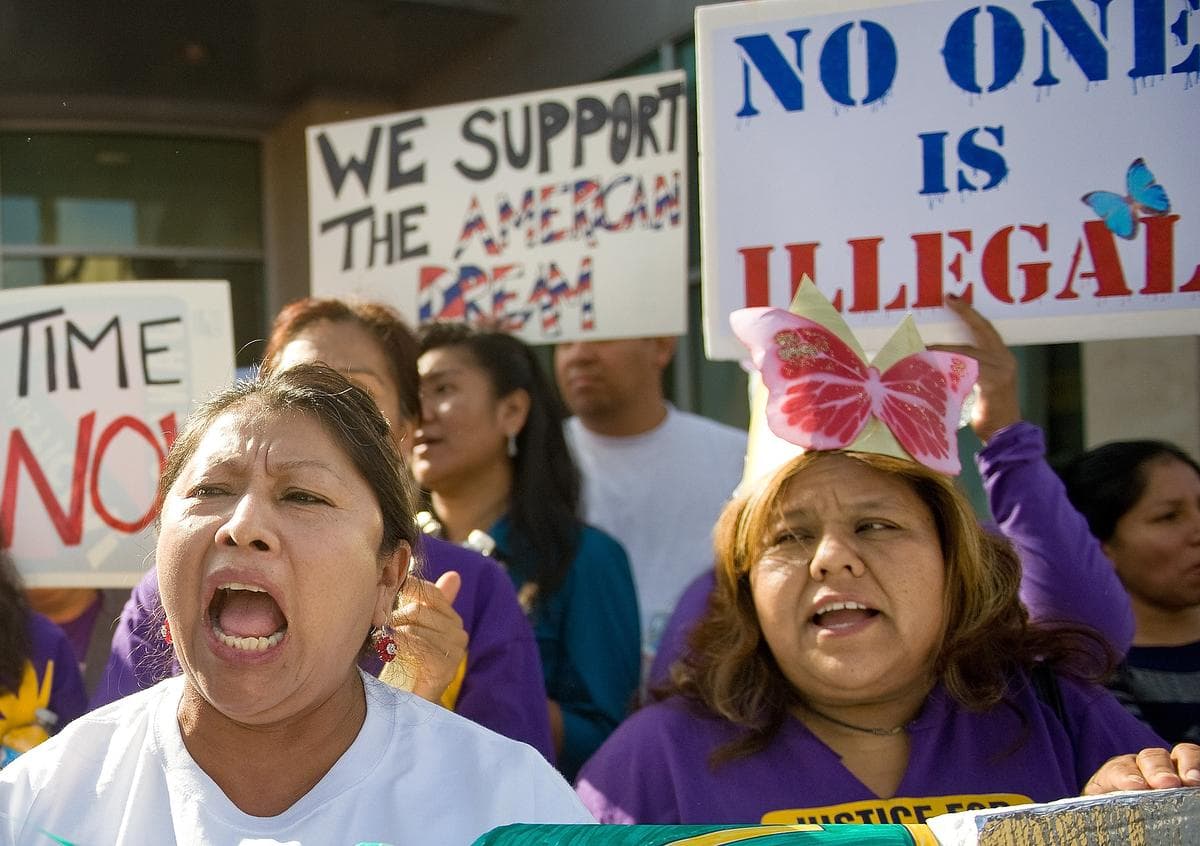
The Los Angeles City Council voted 10-5 in June 2026 to place a city charter amendment on the November ballot. If approved by voters, it would authorize the council to create a “residential voting” program allowing noncitizen residents to cast ballots in citywide elections and Los Angeles Unified School District races. Supporters describe it as giving a voice to long-term contributors, but the measure raises serious questions about whether it would extend voting rights to illegal immigrants amid already high unlawful presence in the region.
Councilmember Hugo Soto-Martínez, the proposal’s main sponsor, defended the idea with a broad principle: “I believe it’s a simple principle that should guide us: If you live in the city, contribute to the city, raise your family in the city and are impacted by the decisions made in the city, you deserve to have a voice in the city.” He has emphasized local representation and democracy for those who pay taxes and use public services.
Martha Arévalo, executive director of the Central American Resource Center, echoed this view during public support events: “We know that immigrant communities uphold the economy in this nation, and I think that people who contribute to their community, that call this home, should have a say in their local government.” Proponents claim any eventual program would prioritize individuals with some legal protections, such as DACA recipients or green card holders, though the charter language remains broad enough to fuel concerns about wider application.
The timing is notable given Los Angeles demographics. Over the past 20 years, illegal immigrants have formed a substantial share of the population in Los Angeles County, which serves as a close proxy for the broader LA area. Recent estimates from analyses of Census data place the undocumented population at roughly 948,700 people, or about 9.4% of the county’s total of approximately 10.1 million residents. This figure has hovered in the 8-10% range for much of the last two decades, with peaks around the mid-2000s before stabilizing at still-elevated levels despite national trends. In the city of Los Angeles proper, concentrations are often higher in immigrant-heavy neighborhoods, reflecting decades of porous borders and local sanctuary policies that have drawn and retained people entering or remaining unlawfully.
This reality undercuts arguments that noncitizen voting is a minor or symbolic step. Illegal immigrants already access many local services, attend schools, and influence policy through their presence and families. Granting them formal votes in municipal matters—taxes, policing, housing, and education—dilutes the political power of citizens and legal residents who abide by immigration law. It also creates clear incentives for more unlawful entries by signaling that long-term illegal presence can yield political rights without the full obligations of citizenship.
Federal law already prohibits noncitizens from voting in national elections, and most states limit state-level voting to citizens. Expansions at the local level, as seen in a handful of smaller jurisdictions, remain rare and contested precisely because they challenge the core link between citizenship and self-government. In Los Angeles, where crime, homelessness, and strained services already burden taxpayers, prioritizing electoral inclusion for those here illegally diverts focus from enforcement and legal immigration reform.
Voters face a clear choice in November. The measure does not automatically enact noncitizen voting but clears the path for the council to do so later. With illegal immigrants comprising nearly one in ten residents in the county over recent decades, the stakes involve more than abstract fairness—they touch sovereignty, incentives, and whether citizenship retains meaning in American democracy.
You Might Also Be Interested In

West Virginia Offers Proposal to Eliminate State Income Tax with Data Center Revenue
Illegal Immigration Added to Housing Cost Surge

Open Letter to NY Leaders Regarding Data Centers: Lead Don't Follow