
New Fed Chair Kevin Warsh Signals Tough Stance on Inflation in First Policy Meeting
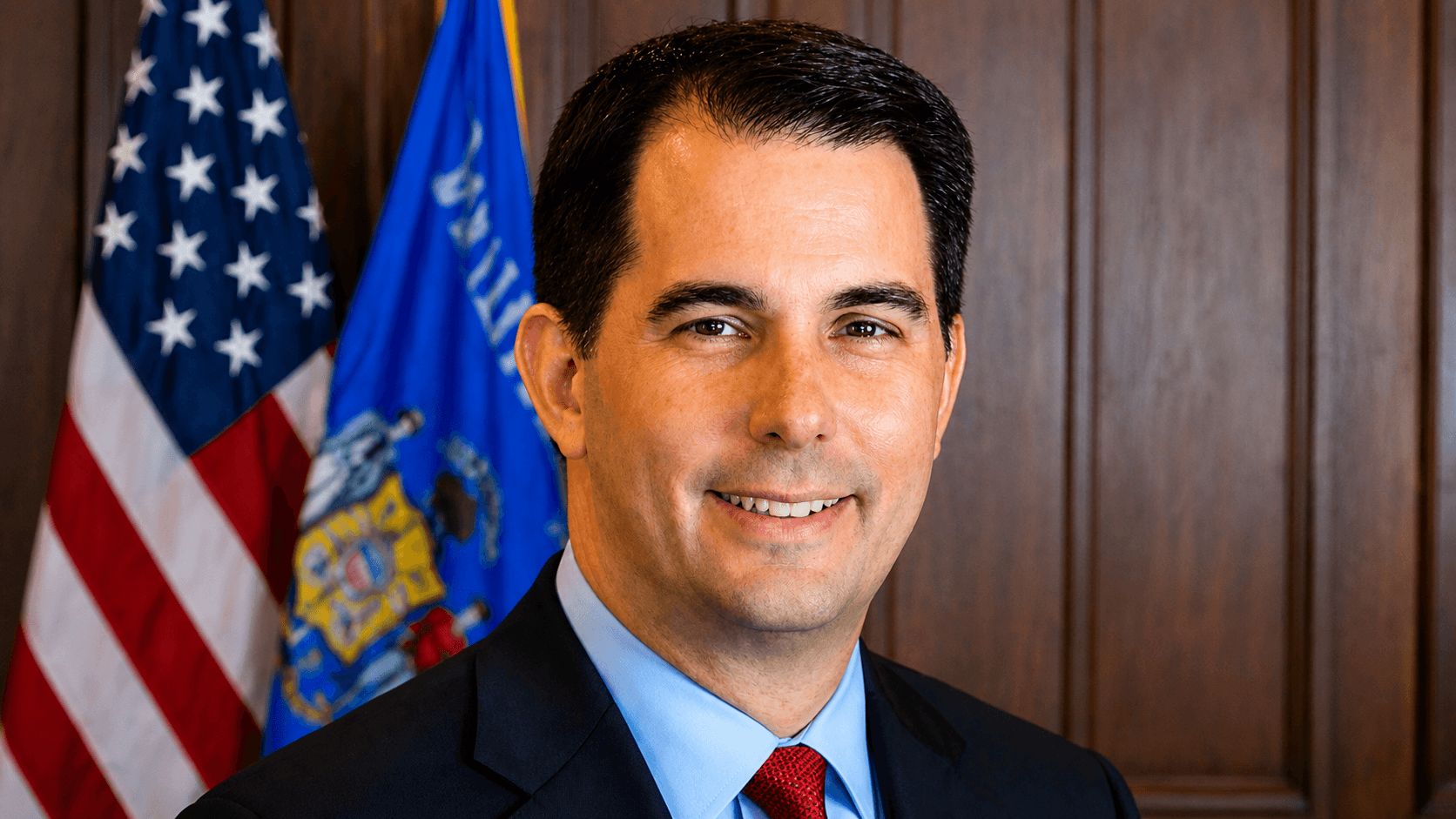
In his debut as Federal Reserve Chairman this week, Kevin Warsh delivered a clear message: the central bank is prioritizing the fight against inflation above all else. On June 17, following the Federal Open Market Committee’s (FOMC) two-day meeting, the Fed held its benchmark federal funds rate steady at 3.50%–3.75% for the fourth consecutive meeting. This decision, made unanimously, came amid rising price pressures fueled by energy costs tied to geopolitical tensions.
Warsh, who succeeded Jerome Powell after being sworn in during May 2026, struck a notably hawkish tone in his first press conference. “We’ve missed [on inflation] for five years and we’re going to fix that,” he declared, emphasizing the Fed’s commitment to returning inflation to its 2% target. He rejected the notion of a “cruel choice” between controlling prices and supporting employment, arguing that strong growth, low inflation, and robust job markets can coexist with the right policies.
The FOMC’s updated projections reinforced this shift. Policymakers now anticipate higher inflation (PCE at 3.6% for 2026) and slower GDP growth (2.2%). The “dot plot” of individual forecasts showed nine of 18 officials expecting at least one rate hike by year-end, a reversal from earlier expectations of cuts. Warsh also removed forward guidance from the policy statement, opting for greater flexibility and data-dependence rather than signaling future moves.
For everyday consumers, the immediate impact centers on borrowing costs. The federal funds rate influences short-term rates, but longer-term rates like mortgages are more closely tied to Treasury yields and inflation expectations. With the hawkish signal, Treasury yields rose, which could keep mortgage rates elevated in the near term.
Current 30-year fixed mortgage rates hover around 6.5%, with recent averages reported between 6.47% and 6.60%. While the Fed’s hold prevented further upward pressure, the possibility of hikes later this year suggests rates may not fall significantly soon. Homebuyers and those refinancing could face sustained affordability challenges, potentially cooling the housing market further as higher payments deter purchases. Experts note that mortgage rates can still ease modestly if inflation data improves or other factors (like bond market dynamics) shift, independent of Fed action.
Financial markets reacted negatively to the uncertainty. Stocks tumbled on the news—the Dow fell over 500 points, and the S&P 500 dropped about 1.2%—as investors priced in higher borrowing costs and slower growth. Bond yields surged, reflecting expectations of tighter policy.
Warsh outlined ambitious reforms, including five task forces to modernize Fed communications, data sources, inflation models, productivity assessments, and the balance sheet. He criticized outdated survey-based data and stressed the need for real-time insights in today’s economy.
Locally, this means continued pressure on businesses reliant on borrowing, from small firms to homebuilders. While the economy shows solid expansion and low unemployment, persistent inflation—exacerbated by energy shocks—could delay relief for consumers. Warsh’s data-driven, reform-focused approach aims to restore credibility after years of misses, but it introduces short-term volatility.
In summary, Warsh’s first week sent a clear signal: the Fed is in inflation-fighting mode. For interest rates, mortgages, and markets, this translates to caution in the months ahead. Families planning big purchases or moves should monitor incoming data closely, as the path forward remains dependent on how quickly price pressures ease.
You Might Also Be Interested In

West Virginia Offers Proposal to Eliminate State Income Tax with Data Center Revenue
Illegal Immigration Added to Housing Cost Surge

Open Letter to NY Leaders Regarding Data Centers: Lead Don't Follow