On the Front Lines of First Responder Suicide Prevention
Jeff Dill has traveled 1.6 million miles confronting suicide among firefighters and emergency responders, building a nationwide network of education, counseling, and support for grieving families.
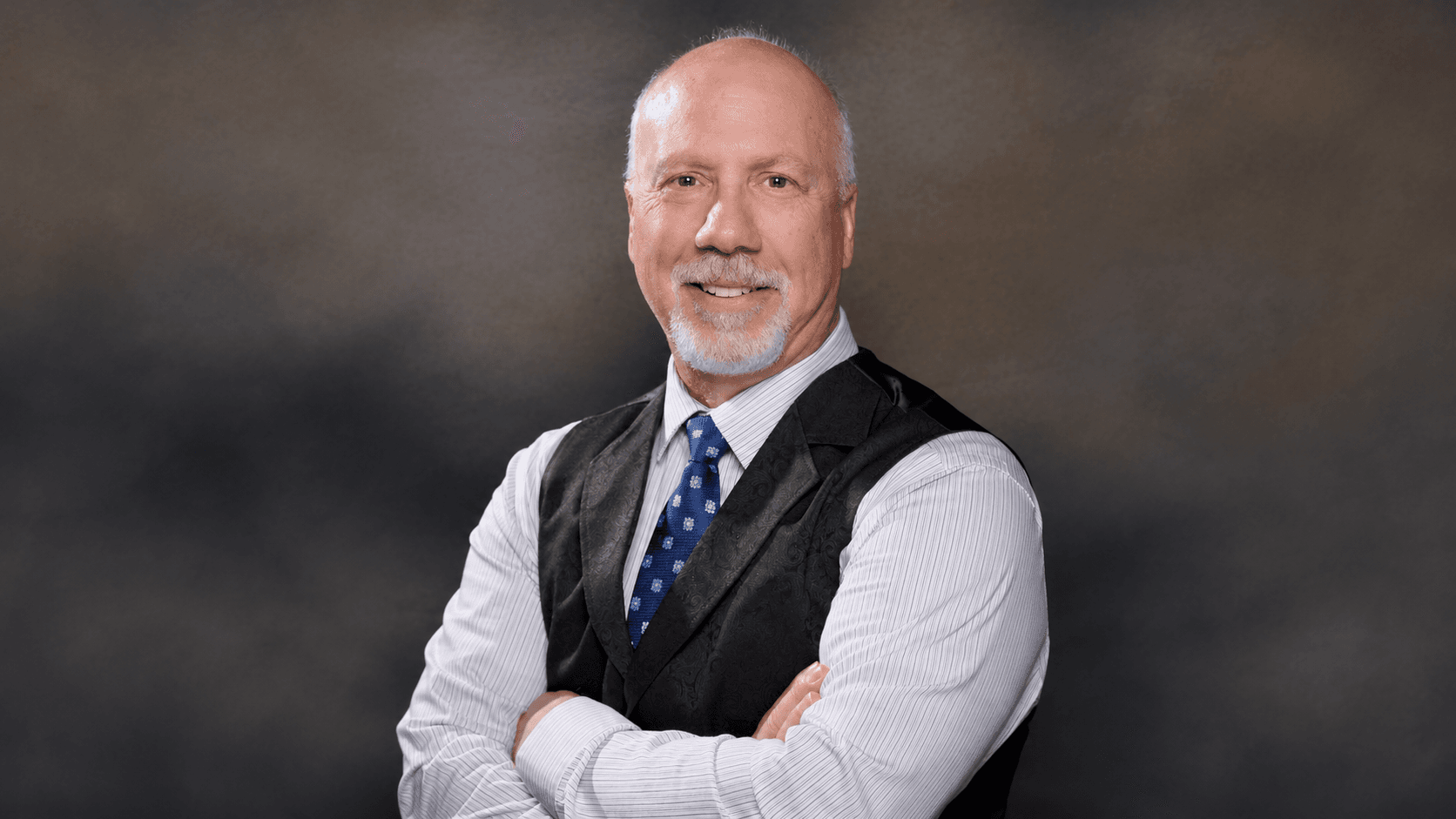
Suicide among firefighters and emergency medical personnel has become a national crisis that demands more than awareness campaigns, according to Jeff Dill, founder of the Firefighter Behavioral Health Alliance and behavioral health administrator for Las Vegas Fire and Rescue.
A 37-year fire service veteran and licensed counselor, Dill established the alliance in 2010 and has personally confirmed 2,395 firefighter and EMS suicides through research and interviews with department officials.
“We're still losing my brothers and sisters,” Dill said, warning that departments cannot afford to become complacent about behavioral health.
Dill believes emotional struggles involving relationships, guilt, shame, and personal failures frequently contribute to the crisis, sometimes receiving less attention than post-traumatic stress.
“We put this uniform on, we're supposed to act in a certain manner,” he explained, describing a culture that expects first responders to be “strong, brave, courageous, give help, don't ask for help.”
His organization conducts workshops, trains clinicians, and sponsors an annual retreat called Those Left Behind, bringing together families devastated by suicide.
“We have families walking around looking for answers they're never going to find here on Earth,” Dill said.
Rev. Bill Minson, a nationally known chaplain who works alongside Dill, praised the compassion shown to grieving families.
“I haven't seen anything like it since my work with 9/11,” Minson said. “We need more people out there like Jeff and his wife who will dedicate themselves to get the message out.”
Dill encourages first responders to conduct what he calls an “internal size up,” examining their emotional well-being.
“Why am I acting this way? Why am I feeling this way?” he asks, urging personnel to recognize warning signs and listen to those closest to them.
“Complacency kills,” Dill warned, calling for comprehensive departmental behavioral health programs rather than occasional training sessions.
His message is one of continued vigilance, compassion, and education to protect those who dedicate their lives to protecting others.
You Might Also Be Interested In

Treasury Targets Billions in Suspected Fraud

Engaging our local retired veterans and their special stories of military service

FLOTUS Could Win Nobel Peace Prize her Husband Craves