
The Two Senators We Owe
They Saved Us Once, But Now They Are Gone
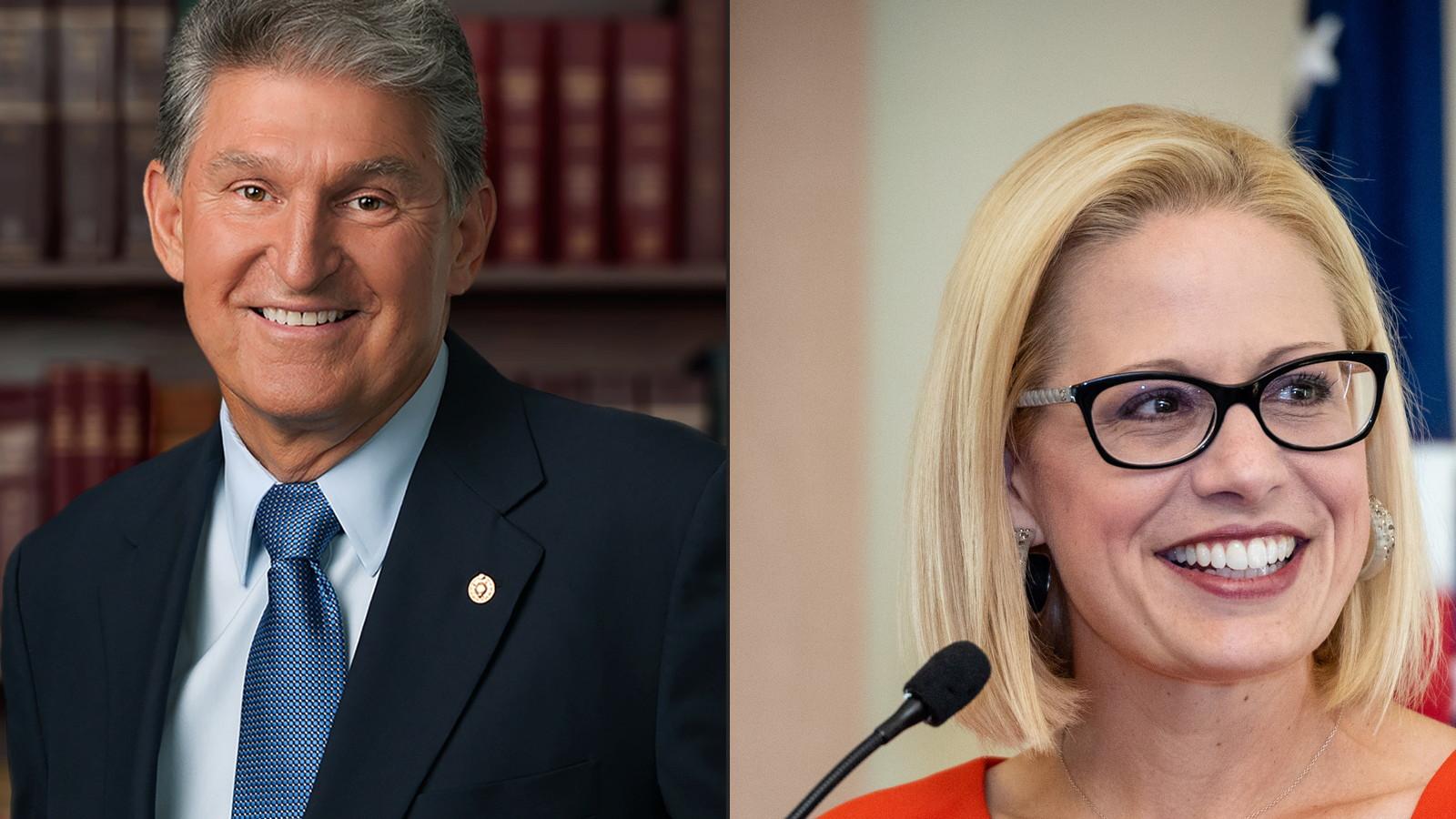
Joe Manchin and Kyrsten Sinema saved the legislative filibuster when Joe Biden wanted an exception. Two senators stood against their own party and kept a narrow majority from breaking through a protection that belongs to the whole country. We owe them both a debt of gratitude. I mean that without reservation.
I believe defending that protection almost certainly cost them their political careers. Arizona Democrats formally censured Sinema after her stand. Both eventually chose retirement instead of another Senate campaign. They were not beaten in 2024 primaries. John Fetterman, once a critic, now credits their courage and says their defense damaged their careers.
On January 19, 2022, Chuck Schumer sought a talking-filibuster exception for voting-rights legislation, allowing a majority decision after speeches ended. Biden supported changing the rules for those bills. Manchin and Sinema joined Republicans to sustain the presiding officer, 52-48, defeating the exception. This was not blanket abolition. It was an opening in the wall, and they refused to make it.
What did Republicans do with nearly two years of unified power? In my judgment, they squandered what those two bought.
The SAVE Act never became law. The House passed versions in 2024, 221-198, and 2025, 220-208. The Senate left the 2025 bill without a floor vote. Its 2026 SAVE America successor reached debate; cloture on a photo-ID amendment failed 53-47, not a final-passage vote.
On the border, reconciliation supplied funding and the Laken Riley Act strengthened detention law. Those are real gains. Funding is not a permanent restraint on presidential discretion. I wanted statutory safeguards strong enough to stop another lawless administration from reopening the border. I do not believe Republicans delivered them.
They also fell far short on egregious waste and fraud. July 2025 rescissions and reconciliation cuts were real. DOGE claimed savings, but federal auditors found unsupported and erroneous estimates. I wanted a lasting dismantling of wasteful spending, not advertised totals taxpayers cannot verify.
Born-alive protections and female-sports legislation also stalled at cloture. Long Island families deserve results, not another appeal for patience.
The danger now is what Democrats would do with unified power and no legislative filibuster. I expect court packing, statehood for Washington, D.C., and Puerto Rico, and mass legalization of illegal immigrants. These are not inventions of Republican campaign consultants. Bills already show the machinery.
The Judiciary Act proposed expanding the Supreme Court from nine members to thirteen. Four new seats, filled by a Democratic president with Senate approval, could change the Court for decades. The nomination filibuster was dismantled in 2013, with the Supreme Court exception removed in 2017. The remaining obstacle here is legislation creating seats, not a sixty-vote requirement for confirming justices.
The D.C. proposal would turn most of the district into a state while preserving a federal enclave. Its Twenty-third Amendment problem would not disappear with ordinary legislation; constitutional repeal has its own requirements. The Puerto Rico proposal offered a binding choice among statehood, independence and free association, with admission authorized if statehood won under its conditions. Neither proposal simply awards Democrats senators. Voters would elect them. I nevertheless expect Democrats to pursue statehood for its potential to strengthen their position permanently.
Biden's immigration plan advertised a general eight-year citizenship path, with quicker treatment for some groups. That is the kind of sweeping legalization I call amnesty. It would not immediately confer citizenship or federal voting rights. The long-term transformation is precisely my concern. Removing the filibuster would enact none of this by itself. Democrats would still need bills passed by both chambers and signed by their president.
Look at the incoming Senate. The projected Democratic-aligned caucus numbers 54, including two independents, against 44 Republicans, with two contests unresolved. Those are projections, not certified totals. Sinema's successor, Ruben Gallego, has publicly supported waiving or eliminating the filibuster for voting rights, abortion and gun legislation. Manchin's seat went to Republican Jim Justice. It did not become a Democratic repeal vote.
Fetterman remains a defender. There is no verified repeal whip count, and another election will shape the Senate facing a possible Democratic president in 2029. I still regard removal as a virtual certainty once Democrats regain the White House with Congress behind them. A larger caucus can absorb defections; Gallego's position shows how policy demands can drive exceptions. I expect those demands to prevail over restraint.
Manchin and Sinema gave America time. Republicans wasted an opportunity to earn lasting public confidence with it. We should thank the two senators who stood firm, and understand what their absence may cost.
You Might Also Be Interested In

They Only Have to Win Once

The Revolt That Brought Trump Back Now Threatens to End Us All

Wipeout of Ohio GOP Signals the End of JD Vance’s White House Ambitions