USAID Files Show Talks With Meta, YouTube and Google on Disinformation and Takedowns
A nonprofit pitched a plan to rate foreign news sites, and agency lawyers told staff to avoid pressuring the companies
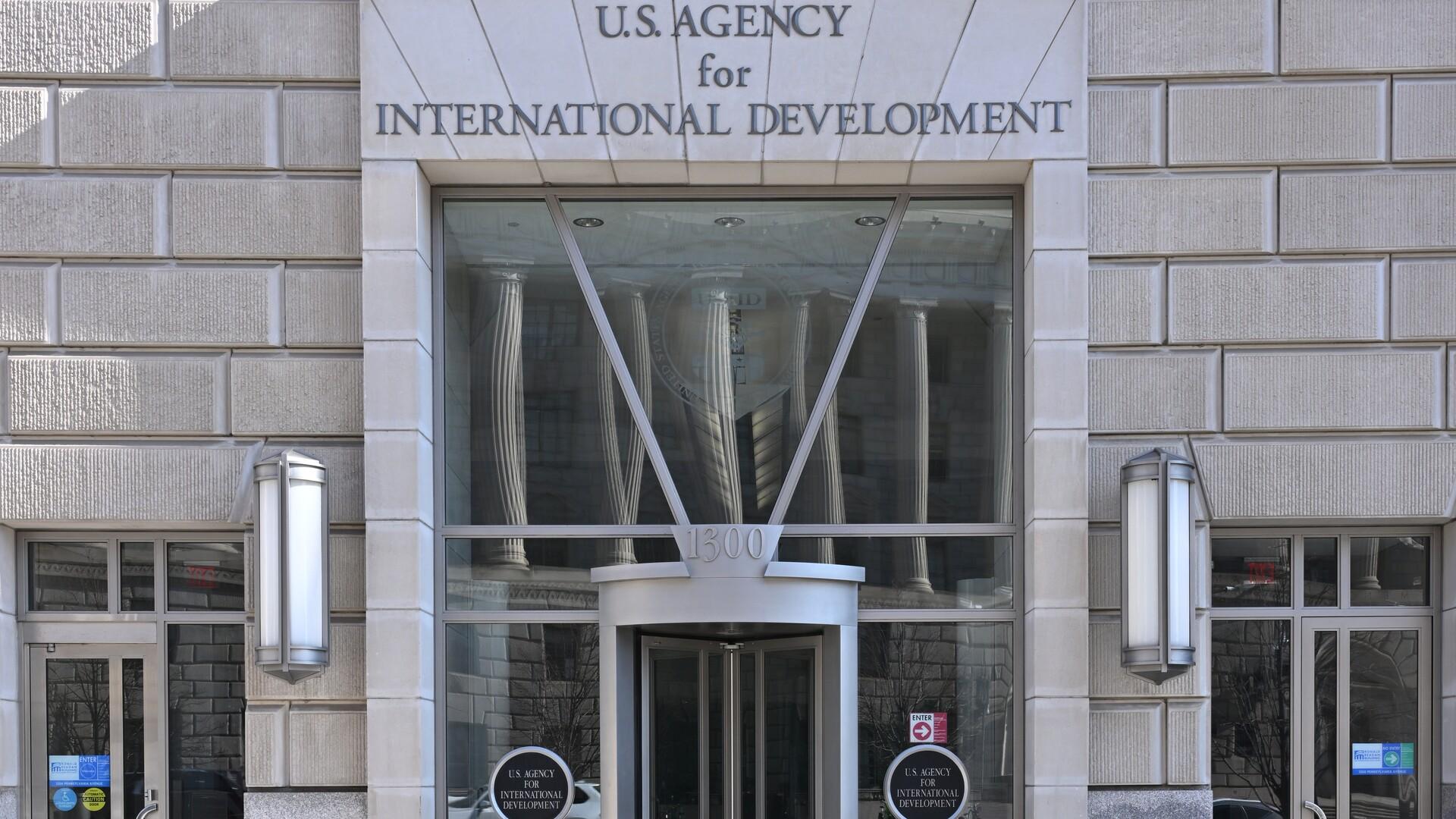
Files that the Trump administration posted from USAID this week show the agency seeking help from Meta, YouTube and Google against disinformation and asking Facebook to remove posts that endangered its partners overseas.
The 248 records sit on the agency's website under the title USAID Files, with a notice saying that under earlier administrations USAID "was weaponized to advance a radical agenda fundamentally at odds with American values." The collection runs from 2013 to 2024 and includes correspondence and briefing papers plus three recorded webinars, with many names and email addresses blacked out. USAID stopped implementing foreign aid in July 2025, and the State Department took over the programs the administration kept.
In April 2022 a YouTube government affairs manager asked for a meeting between Samantha Power, then the agency's administrator, and Susan Wojcicki, YouTube's chief executive, about disinformation and how the two sides might work together. USAID's briefing materials for a separate session with Google and YouTube policy staff made a faster way to escalate content moderation problems the first agenda item, and the notes record Google saying it would act when content violated its policies. A draft note planning a reset meeting with Meta listed quicker responses to partners' cases involving hacking and hate speech among the topics.
In July 2022 the agency's Libya office joined the National Democratic Institute in asking Facebook to remove a page that called for a gathering at a partner organization's office and singled out its director, and the institute later confirmed the page and posts were gone. In August a USAID program manager sought help getting a Facebook post taken down that showed the names and a photo of dozens of employees of a USAID implementing partner in Sudan and falsely called them CIA operatives.
A question and answer document that agency lawyers last updated in September 2024 allowed removal requests only for content that broke a platform's own terms and related to USAID staff or activities. It required a lawyer to clear each request, barred any hint of punishment and said staff "should not tell social media companies what to do." Notes for a July staff briefing add that the agency "cannot be perceived to be policing public opinion."
Posts on X this week said USAID was paying for monitors of social media posts in 20 countries. The figure comes from an August 2022 email in which Rafiq Copeland, a senior adviser at the nonprofit Internews, told USAID's Joshua Machleder that his own organization had "social media monitors already operating in about 20 countries." Copeland added that he was "pretty sure USAID is currently funding a lot of staff around the world to flag issues to the platforms." He cited no budget line or award, and nothing else in the release confirms a network of that size funded by USAID.
Other posts said the Global Disinformation Index placed almost every major conservative outlet in the country on an advertising blacklist and cost them $200 million. The files hold a four page concept note that the nonprofit prepared for USAID in August 2022, proposing reviews of news sites in Moldova, Zambia and Armenia. The note says USAID had indicated that its ties to Alphabet and Meta offered a chance to act on the findings. It proposes working with platforms to defund and downrank high risk sites in those countries and to remove the worst ones that already violate platform policies. It also describes the group's exclusion list of about 2,500 sites, which it says sits inside the systems of more than a dozen ad tech companies.
No file names the outlets on that list, and no USAID payment to the group appears among the 248 records. The group's own slides list some of its philanthropic funders, and USAID is not among them. The one American news site the records single out comes up in a January 2022 webinar that the agency's security office and democracy center sponsored for staff. There the group's cofounder, Daniel Rogers, called the site "a frequent peddler of disinformation" and said it was on his group's radar as high risk. He estimated that advertisers spent $200 million to $250 million on the high risk sites his group tracks worldwide, and he said its ad tech partners had cut about half of that.
Posts also pointed to an undated draft partnership between USAID and Facebook, aimed at developing countries, that lists a contact on the company's election team to coordinate election support and "flag potential spoilers or destabilizers to the political transition." They cited as well the advice in the July briefing notes to frame content moderation work around foreign malign influence or actors abroad, which the notes tie to limits in the 2024 spending law. Nothing in the notes describes the framing as a way around a ban on censorship.
The briefing notes also say lawmakers set aside money for countering disinformation in a 2023 spending law and that "some members of Congress support that work and some do not." Neither Rep. Andrew Garbarino, who chairs the House Homeland Security Committee, nor Rep. Nick LaLota, who sits on House Appropriations, has commented on the files.
Mike Benz of the Foundation for Freedom Online told followers the release was "just the beginning," though the archive's own page lists no further installments. The files document meetings and draft proposals with the three companies, and none of the plans records Meta, YouTube or Google agreeing to act. The two removal requests the files show both concerned posts that singled out named partner staff.
You Might Also Be Interested In
DeSantis Answers Sanders Pension Push by Calling to End Congressional Pensions
Judge Pauses Order Giving Georgia Election Board Fulton's 2020 Ballot Records
Abrego Garcia Lands in Spain With His Tennessee Case Still on Appeal