

Jewish Tank Commander’s Heroism Restored to History
Rena Kesten shares the remarkable story of her grandfather, Colonel Sekunda, who commanded Soviet armored forces from the opening disasters of the German invasion to the final Battle of Berlin.
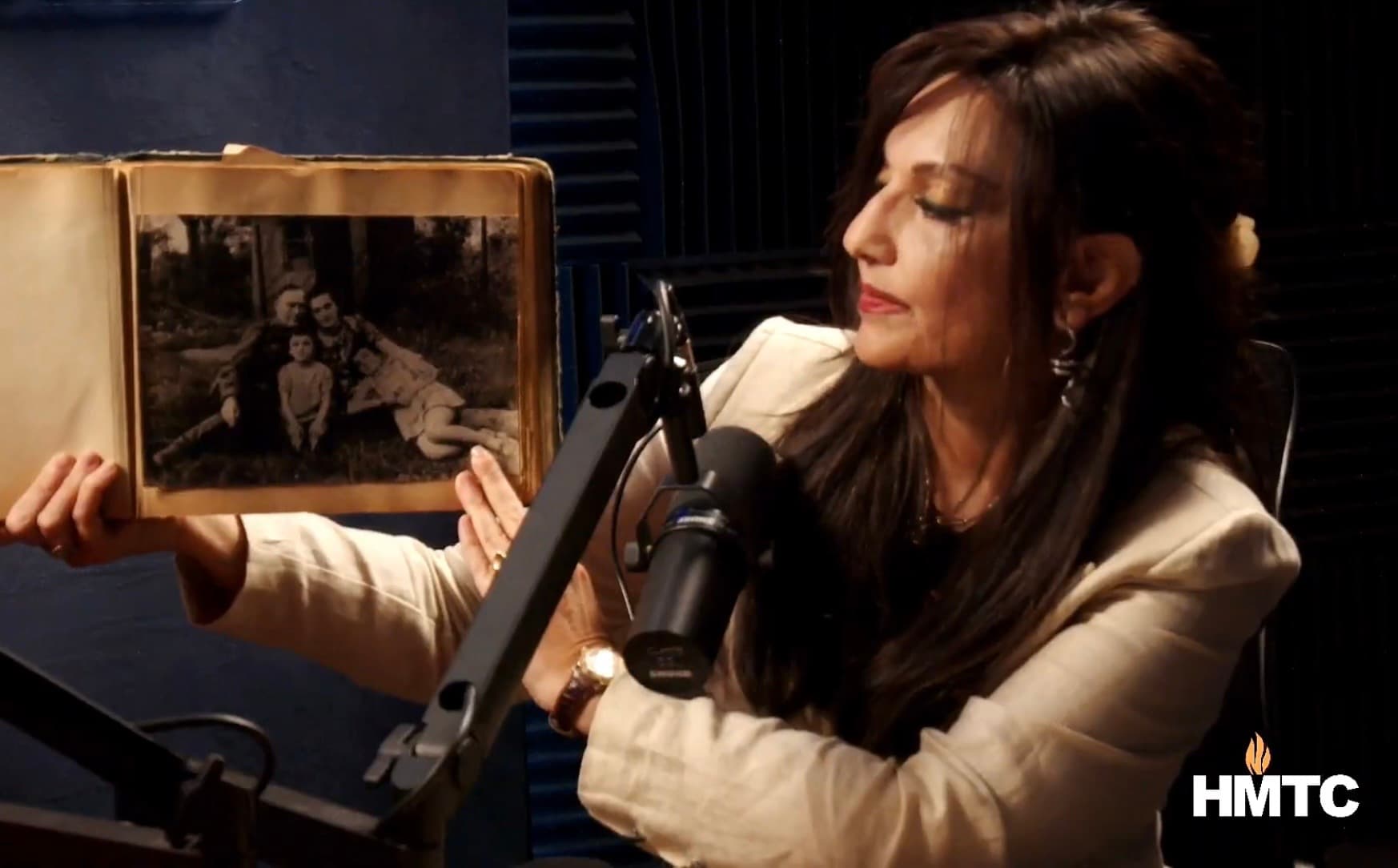
Rena Kesten shares the remarkable story of her grandfather, Colonel Sekunda, who commanded Soviet armored forces from the opening disasters of the German invasion to the final Battle of Berlin.
A Jewish officer who commanded tanks through some of World War II’s most brutal battles is finally receiving recognition decades after Soviet antisemitism and Cold War politics pushed his accomplishments into obscurity.
Rena Kesten recently shared the story of her grandfather, Colonel Sekunda, during a four-part interview with Richard Acritelli for hmTv’s “The Fog of War and Humanity,” recorded at the Holocaust Memorial and Tolerance Center in Glen Cove.
Born in 1909 and orphaned at age five, Sekunda endured starvation and brutality in an orphanage before pretending to be 18 to enter a military academy at 15. He trained in chemical defense before becoming a Soviet armored officer.
When Germany invaded the Soviet Union in June 1941, Sekunda was a captain and battalion commander stationed near the front. His unit had surrendered its older tanks but had not yet received replacements, leaving it vulnerable as German forces rapidly surrounded Soviet formations.
Sekunda repeatedly led his soldiers out of encirclements. Although Soviet authorities initially imprisoned and questioned the survivors, his men testified that their commander had saved their lives. He was promoted to major and later formed his own tank brigade.
Sekunda fought at Stalingrad and Kursk before commanding the 95th Tank Brigade through Belarus, Poland and Germany. His force included approximately 60 tanks and 1,300 soldiers. During the Battle of Berlin, infantrymen rode atop his T-34 tanks as Soviet forces advanced through the devastated capital of the Third Reich.
His soldiers called him “Father,” Kesten said. He was known for singing at the front, reassuring his men that their commander remained calm despite the danger.
Sekunda received the Order of Suvorov for his role in liberating Bobruisk and Minsk. He was twice nominated as a Hero of the Soviet Union but denied the country’s highest distinction because he was Jewish. After Berlin, he was reportedly told that the quota for Jewish recipients had already been filled.
A surviving family album contains rare photographs of Sekunda’s tanks near the Brandenburg Gate, officers studying maps and Soviet forces moving through Berlin. One photograph showing Sekunda with American soldiers was deliberately removed because possessing it during the Cold War could have placed his life in danger.
Sekunda survived the war without being wounded but died of lung cancer at 48. Kesten said his leadership, courage and role in defeating Nazi Germany deserve a permanent place in history.
You Might Also Be Interested In

Great South Bay Advisors: Planning Ahead for College: A Guide to New York's 529 Plan

SSP History: 25 Years and 9/11/01

From War Pipes to a Call for Peace