Sotomayor Weighs Term Limits After 17 Years on the Bench
If Democrats mean it, the honest route is an amendment that spares sitting justices and binds only those confirmed after ratification
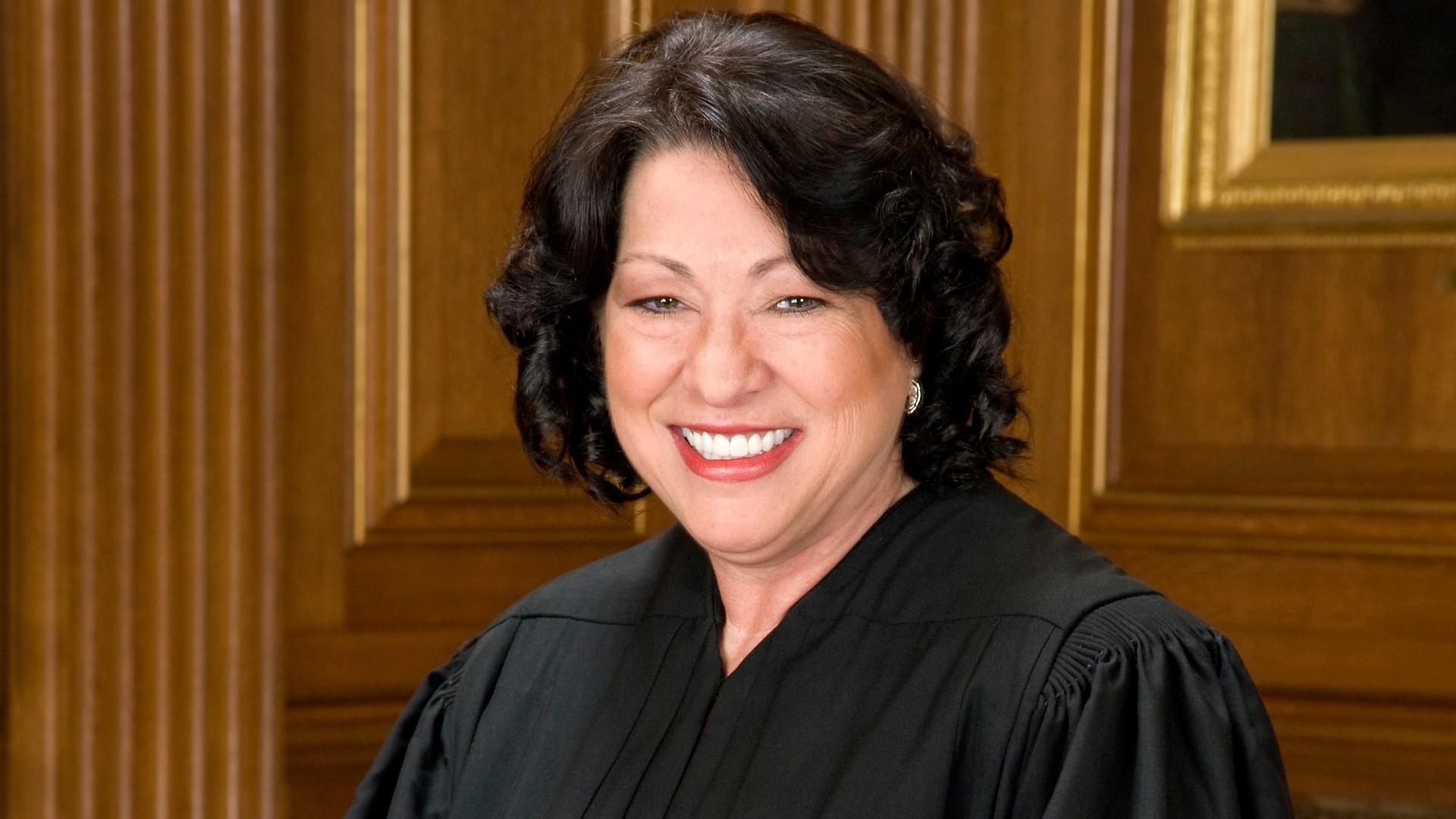
Justice Sonia Sotomayor told a Philadelphia audience on Nov. 20 that she "wouldn't be unhappy with term limits." It was a rare remark from a sitting justice about the rules that govern her own seat.
She was in the city to accept the Benjamin Franklin Medal from the American Philosophical Society, and the comment came during an onstage conversation with David Tatel, the retired federal appeals judge. When Tatel asked whether justices ought to keep their lifetime appointments, she first told the crowd, "It's not up to me, it's up to you."
She hedged the remark at every turn and said she would not offer a formal opinion, calling term limits an idea "being kicked around very actively" and observing that the United States is the only democracy that gives its judges a job for life. She also held up John Paul Stevens, who stayed on the bench until he was 90, as a justice who remained fully able to the end, and asked whether the nation should discard the judgment of able jurists "simply because of their age."
Jonathan Turley, who teaches constitutional law at George Washington University, pointed to the timing in a column this week. "It is a bit like Franklin Delano Roosevelt endorsing the 22nd Amendment after being elected to his fourth term," he wrote. Roosevelt broke the two-term custom that began with George Washington, won four presidential elections and died early in his fourth term in 1945. The country put the limit into the Constitution in 1951, long after he had collected every term he wanted. Sotomayor joined the Court in 2009 as President Barack Obama's nominee, so she has served 17 years, close to the 18-year term that Court reformers now favor.
Enthusiasm on the left for remaking the Court grew after President Donald Trump's three appointments in his first term produced a six to three conservative majority, and it has spiked again since Democrats won control of Congress in this month's elections. Rhode Island Sen. Sheldon Whitehouse, expected to lead the Senate Judiciary Committee next year, reintroduced a bill in July that would set staggered 18-year terms and give each president two appointments per term. Hakeem Jeffries, the likely next speaker, said on Nov. 22, as this paper reported, that cleaning up Washington "means the Supreme Court." When asked in August about adding seats, he answered, "What I support is dramatic reform." Even a hedged remark from a sitting justice lends that project a respectability its sponsors could not have bought for themselves.
Article III, which says judges "shall hold their Offices during good Behaviour," has long meant service for life unless the House impeaches and the Senate removes. The Congressional Research Service has noted that many scholars think Congress cannot cap a justice's tenure by ordinary statute. Sotomayor herself said while speaking in Zurich in 2024 that a judge's lifetime commission "can't be taken away constitutionally." The Whitehouse bill tries to slip past that clause by moving senior justices into a lesser role, hearing only the small set of cases that begin in the Supreme Court, such as disputes between states. Turley reads the bill as reaching justices already seated and argues that applying it to them would change the office they were confirmed to hold and would not survive review. The people deciding that question would be the justices it demotes.
The country has already shown the honest way to make such a change in the 22nd Amendment, which cleared Congress by two-thirds margins and won ratification by the required share of state legislatures. Its text exempted Harry Truman, the president in office when Congress proposed it. A term limit for justices built the same way, through Article V and binding only those confirmed after ratification, would leave every sitting justice exactly where they are. It would also reveal quickly whether reformers want a better Court in the long run or a different Court by the next election, since only the first goal survives a rule that touches no one now on the bench.
Sotomayor told her audience that the question belongs to the public, and that is the right place for it. The public settled the presidential question by amendment, after the man who profited from the old custom had left the stage, and it should settle this one the same way. A reform drafted for the justices of the 2040s would merit a serious hearing. A statute rushed to a new Democratic Congress on the strength of a hedged nod from a liberal justice with a long tenure behind her earns the suspicion Turley's comparison invites.
You Might Also Be Interested In

Miss Israel's Peace Cape Became a Political Target

Shop Local on Small Business Saturday

Too many foreigners are gobbling up college athletic scholarships