
The BBC's Trump Edit Exposes a Failure of Editorial Trust
A defamation claim can proceed over the Panorama sequence, with liability still undecided and accuracy owed to every political opponent
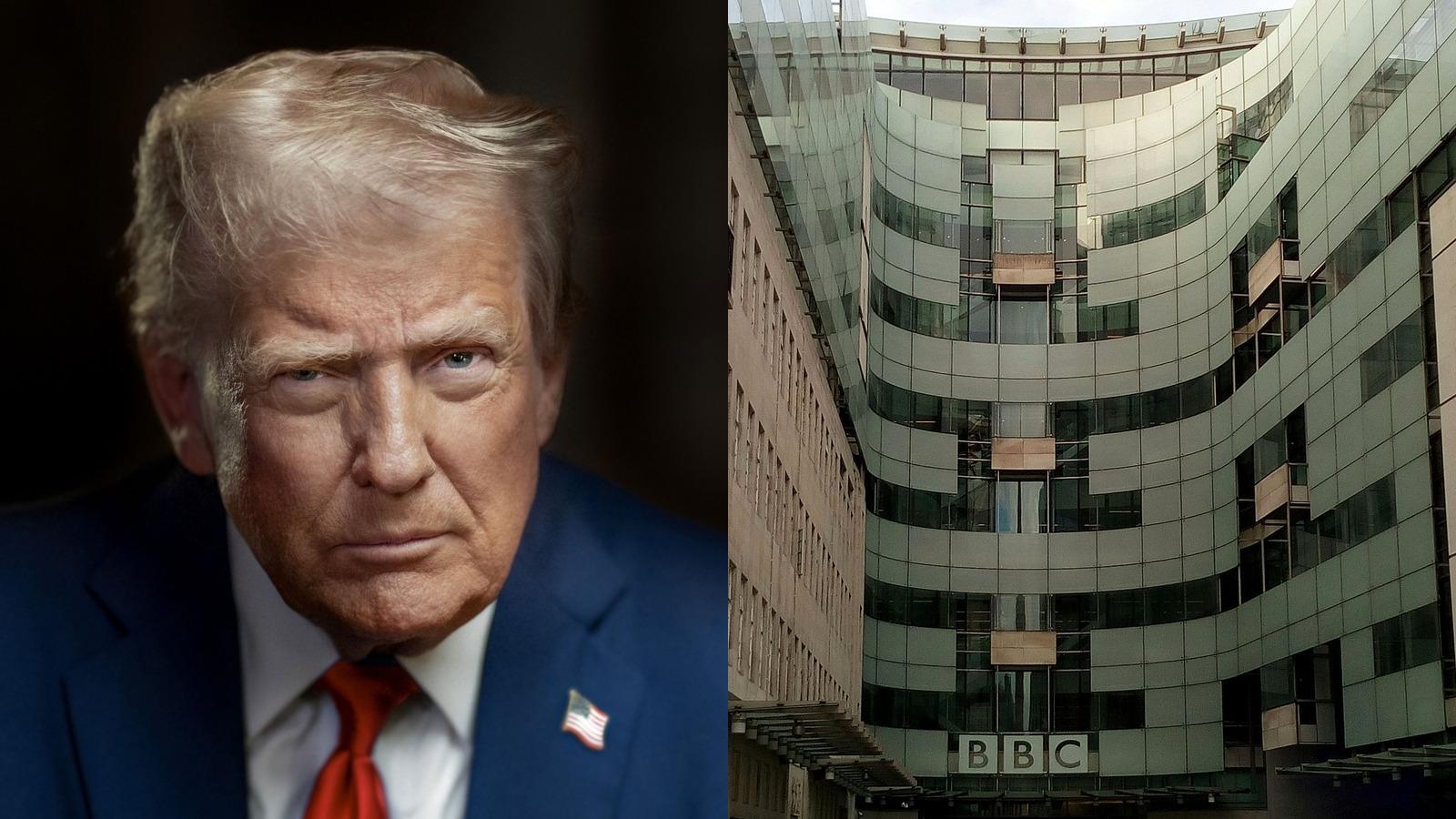
The BBC assembled Donald Trump's voice into a continuous sequence that the broadcaster later accepted was misleading. A federal judge has now allowed his defamation claim over that edit to continue. For a broadcaster that depends on editorial authority, the admission damages its standing with viewers whatever the court decides. Audiences were entitled to hear an accurate representation of a presidential candidate, however strongly the program's makers or viewers opposed him.
On November 10, federal Judge Jeffrey T. Kuntz kept the defamation claim alive in Florida. Trump's other count, invoking a state law against unfair trade practices, was dismissed. Liability and damages remain undecided. At this stage, the court accepts the complaint's factual allegations for purposes of deciding whether the claim can proceed.
The dispute concerns the Panorama documentary aired on October 28, 2024, shortly before the presidential election. Kuntz's order describes a twelve-second sequence built from two moments in Trump's January 6, 2021, speech, roughly fifty-five minutes apart. The assembled clip joined talk of walking to the Capitol with the phrase "fight like hell." The broadcaster's own correction acknowledges that its editing made separate passages appear continuous and conveyed a misleading impression of a direct appeal for violence.
The correction also says footage of Proud Boys marching toward the Capitol, shown immediately after the speech excerpts, had been filmed before Trump began speaking. Placing those images together invited an audience to connect speech and action in a way the actual chronology failed to support.
The BBC says the edit was intended to compress a long speech and denies an intention to mislead. Its November 2025 statement apologized while rejecting a basis for defamation. Following the ruling, it said it remained confident in its position. The legal case will still have to examine responsibility, state of mind and injury.
The ruling is a procedural step under a demanding standard. The legal standard for a public official requires proof of knowing falsity or reckless disregard for truth. Kuntz concluded that Trump's allegations were sufficient to continue under it. Treating the ruling as an established finding of malicious conduct would repeat the very carelessness with evidence that makes the edit objectionable.
The constitutional protection has a purpose conservatives should respect. Officials command resources and influence that ordinary critics lack. Reporting on their conduct requires room for vigorous criticism, including sharp opinions that anger the people in office. A president's displeasure can never supply a substitute for the evidence a civil claim requires. The same evidentiary burden applies whether the plaintiff is a Republican or a Democrat.
Professional freedom carries an equally serious obligation toward the audience. Documentary editors select images and shorten speeches constantly. An edit that creates a misleading continuous statement changes the audience's understanding of what a person actually said. Viewers can recognize that failure whatever they think of Trump's conduct on January 6.
Conservatives have a sound reason to insist on that separation. Agreement with a documentary's larger political judgment can make a misleading detail seem harmless to sympathetic viewers. During a campaign, audiences take such details as evidence. A producer's confidence in the overall thesis offers a poor safeguard for a candidate whose own recorded voice has been rearranged.
The timing sharpened the obligation. A documentary released during the final stretch of an election can shape judgments while the contest is still open. A later apology and a pledge not to broadcast the program again in this form came after viewers had already formed their judgment without the missing context. The reach of this particular program and any resulting harm remain matters for the litigation. Prompt corrections belong among the ordinary duties of anyone seeking public trust.
This dispute also calls for restraint in the remedy. The dismissal of the trade-practices count preserves the difference between editorial content and commercial advertising. Civil accountability should follow the applicable law and the evidence of actual injury. A damages demand deserves the same scrutiny as the documentary that prompted it.
The broadcaster has already accepted that the sequence misled. Whatever becomes of Trump's lawsuit, the BBC has a duty to explain how the error happened and prevent its recurrence.
You Might Also Be Interested In
Why Would any Citizen be Intimidated by Law Enforcement at a Polling Booth?

Voters beware: On ICE, Iran, and AI, be careful what you wish for. You might just get it.
Candidate Quality Still Matters: The Lesson Republicans and Democrats Should Learn From 2026