
Goodbye to Baseball in 2027
The worst-kept secret in baseball became official this past weekend as the MLB trade deadline approached, and for many fans, it felt like a nightmare come true.
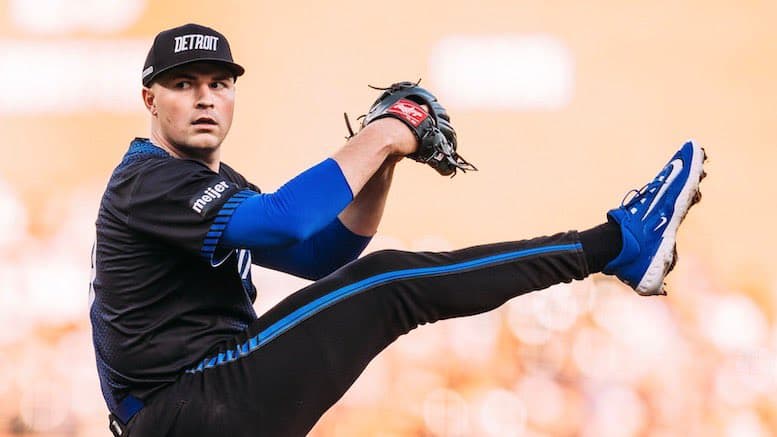
The worst-kept secret in baseball became official this past weekend as the MLB trade deadline approached, and for many fans, it felt like a nightmare come true.
Tarik Skubal is headed to the Los Angeles Dodgers.
Whether you blame the Dodgers, Major League Baseball, the collective bargaining agreement, or the economics of the sport itself almost doesn't matter anymore. The result is the same: another superstar is wearing Dodger blue, and the competitive balance that baseball has spent years trying to protect feels more fragile than ever.
The Dodgers aren't breaking the rules. They're simply taking advantage of every avenue the current system allows. Through deferred contracts, massive payroll commitments, and a willingness to spend at levels few organizations can match, Los Angeles has assembled a roster that almost feels more like an All-Star team than a major league club.
To put it into perspective, the combined salaries of the Dodgers' six highest-paid pitchers—Tyler Glasnow, Tarik Skubal, Shohei Ohtani, Blake Snell, Alexis Díaz, and Yoshinobu Yamamoto—would rank around the 18th-highest payroll in all of Major League Baseball if they were their own team. That's an astonishing statistic and one that perfectly illustrates just how far the financial gap has grown.
Since the start of 2024, the Dodgers have added a four-time MVP, two two-time Cy Young Award winners, a four-time All-Star, a World Series MVP, and another three-time All-Star. Again, none of that violates the rules. But it certainly raises questions about whether the rules are still working as intended.
Some fans argue baseball needs a salary floor to force smaller-market teams to spend more. Others believe a stricter luxury tax or changes to deferred payments are the answer. Whatever side of that debate you fall on, one thing seems clear: the current system is creating a growing divide between baseball's biggest spenders and everyone else.
That's why this trade feels bigger than just one blockbuster deal.
For months, there has been speculation that Major League Baseball could be headed toward a labor dispute after the current collective bargaining agreement expires. Owners and players remain divided on issues like payroll disparity, competitive balance, and deferred contracts.
For many fans, the Skubal trade may prove to be the tipping point.
It brings back memories of 1994, when labor disagreements led to one of the darkest chapters in baseball history. No one wants to see another work stoppage, but moments like this only add fuel to that conversation.
Baseball remains one of America's greatest games, but if meaningful changes aren't made to restore competitive balance, the sport could be headed toward another crossroads. Whether that's a lockout, a strike, or simply growing fan frustration, something eventually has to give.
You Might Also Be Interested In
Former Eastport-South Manor Star Shines in the NFL
Spencer Jones Has Arrived — And the Yankees Better Notice
Pat-Med Boys Soccer Off to a Red-Hot Start