

The Belichick Video Lawsuit Concerns a Rental Owner's Duty to Guests
Jordon Hudson's lawsuit concerns a rental owner's handling of recordings of a guest whose private life draws public attention
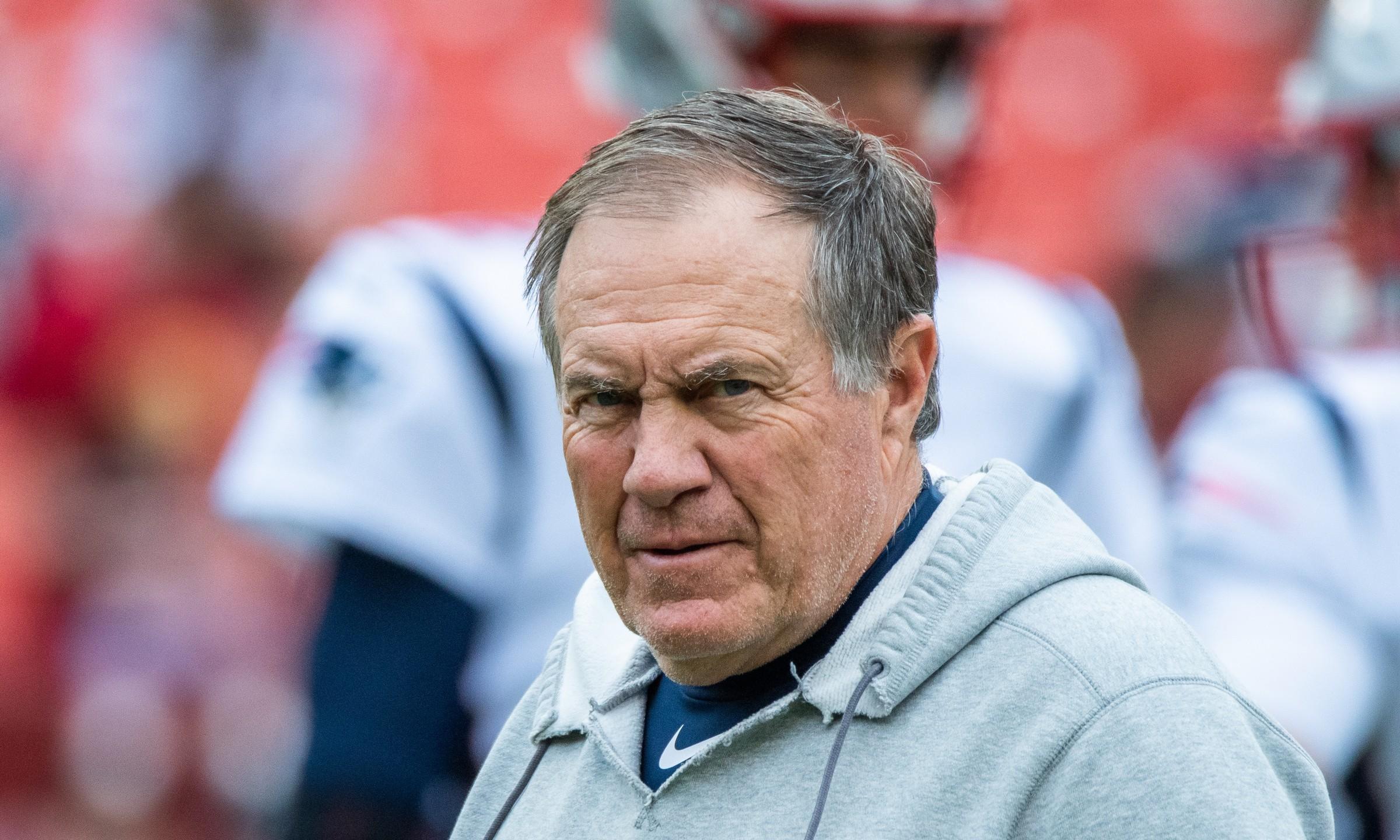
A doorbell camera can help protect a house, and a paying guest should be able to trust the owner to handle its recordings responsibly. A new lawsuit involving Jordon Hudson and a shirtless Bill Belichick concerns a rental owner's duty when handling recordings of a guest, a matter easily lost in another round of jokes about the football coach.
Hudson filed a civil lawsuit Friday in Suffolk Superior Court in Massachusetts against the owners of a Winthrop rental. She alleges that footage of Belichick from their 2023 visit was shared without permission and helped expose a relationship they had intended to keep private. She is seeking damages. Her claims are allegations. No court has ruled on them, and the rental owners are entitled to contest them. This column does not have the owners' account of the dispute.
Hudson says she booked an Airbnb stay in 2023. Her suit says a parking reminder near the end of the stay included a link to footage of a shirtless Belichick. She says she asked for the recording to be deleted. Her suit says the clip appeared online later in 2023.
Hudson alleges that an owner later said the clip had been sent to friends but denied releasing it publicly. That distinction deserves care, because sending a clip to a few people and later public circulation of the same clip can raise different questions of responsibility. A fair judgment requires evidence about what the owners did and what harm followed.
A rental guest has paid for accommodation and should be treated as a customer, with reasonable care for personal information. If an owner uses information acquired through that business relationship to expose a customer's intimate life, that is a breach of trust no matter who the customer is.
Massachusetts law protects people against "unreasonable, substantial or serious" interference with privacy and gives the Superior Court power to enforce that right and award damages. Whether Hudson can satisfy the legal requirements is for the court. Hudson's suit describes footage taken outside the home, a circumstance relevant to the privacy dispute. Liability should not be inferred merely from the existence of a recording or a lawsuit.
For U.S. homes, Airbnb's current rules bar cameras that monitor indoor spaces and permit exterior cameras only under stated limits, including disclosure. These rules took effect April 30, 2024, so they say nothing direct about the terms of a 2023 stay. Permission to operate an exterior security camera also leaves open what an owner may later do with its recordings.
For conservatives, this ought to be familiar ground. Private property matters, and so does the expectation that a business will honor the purpose for which a customer entrusted it with information. A homeowner's property rights do not extend to every conceivable use of a customer's presence on that property.
The celebrity angle makes that easy to miss. Many people dislike Hudson or Belichick, or the attention their relationship has drawn, and those feelings have no bearing on what a rental owner owed a guest. Privacy protection that depends on whether the public likes the person involved offers little protection to anyone. Concern about privacy should extend well beyond people wealthy enough to hire lawyers.
An ordinary guest traveling for a private job interview may have good reason to keep the trip quiet, and a recording could reveal something perfectly lawful that the guest would prefer not to announce. Such a guest deserves protection without a famous companion to draw attention. The camera's owner knows where the guest stayed only because the guest paid for a service, and that knowledge carries responsibility.
Courts should enforce established obligations without building a sprawling federal speech bureaucracy. Editors and audiences should separate reporting on a coach's professional decisions, which informs the public about his work, from a spectacle made of his private movements.
Hudson may win or lose. The owners may dispute her version, and the evidence may show limits that no reader can see from a complaint. The court should decide those issues on the evidence, under the same rules that apply to any other guest.
A security camera should protect the premises without turning any guest's private life, famous or not, into entertainment.
You Might Also Be Interested In

Nabers Has a Prime Opportunity to Burn Washington's Defense

Panico, Sheriff Toulon Team Up for Tri-Hamlet Home Run Derby

The Royals are Crowned as the Section XI Class D Championships