
Federal Judge Blocks NY Mask Ban for ICE, Upholds 287(g) Limits
A court split ruling leaves New York's ban on local police immigration agreements intact but halts the mask prohibition
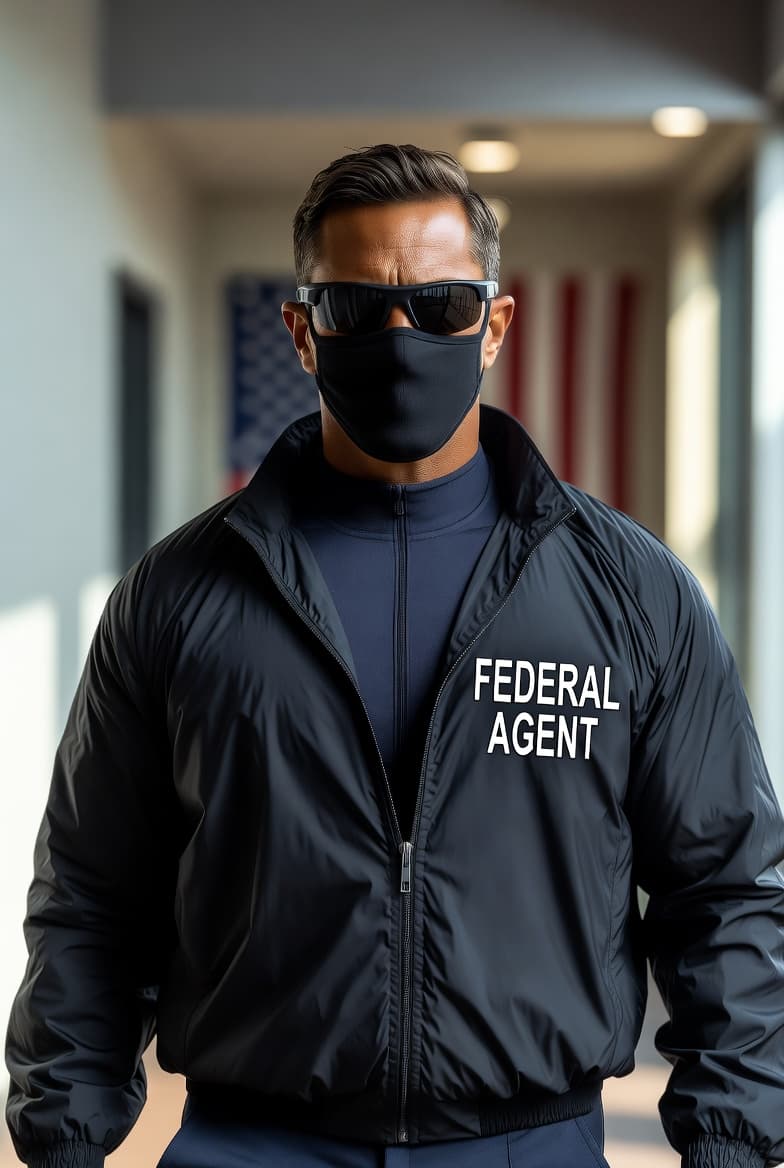
A federal judge delivered a split decision Monday in New York State's legal battle with the Trump administration over immigration enforcement, leaving intact the state's prohibition on local police cooperation agreements with U.S. Immigration and Customs Enforcement while striking down its ban on ICE agents wearing masks.
U.S. District Judge Mae D'Agostino of the Northern District of New York granted a preliminary injunction against the state's face-covering restriction, finding that federal agents are not bound by state law governing police conduct while performing their official duties. The ruling covers not only ICE but also the FBI, the Drug Enforcement Administration and U.S. Customs and Border Protection.
On the distinct issue of so-called 287(g) agreements — formal arrangements through which federal agencies can cross-train and deputize local law enforcement officers to assist with immigration enforcement — D'Agostino declined to suspend the state's prohibition. She determined that the federal government had failed to show New York was singling it out for discriminatory treatment by ending the agreements, and observed that local agency participation in such arrangements is voluntary under federal law. Nassau County holds a 287(g) agreement with ICE that has faced legal challenges for more than a year.
The 287(g) ban is scheduled to take effect Aug. 25 under New York law. Attorney General Letitia James previously sent notices to 12 New York law enforcement agencies directing them to terminate their existing agreements by that date.
In a joint statement, Gov. Kathy Hochul and James said the ruling upholding the 287(g) ban shows the law "is legal and will keep our communities safe." They added that their offices were reviewing legal options regarding the mask decision.
Federal attorneys had argued that both state measures created unlawful impediments to federal operations and treated the federal government less favorably than other law enforcement entities operating in New York.
You Might Also Be Interested In

Hochul Pushes Utility Bill Discounts as Separate Energy Checks Near

Seven Long Island Fire Districts to Share Nearly $2M in State Grants

New York Sports Betting Soars As Gambling Calls Rise