
WATCHDOG: Multi-Billion Dollar Budget Bomb About to Blow in NYS
New York’s finances are on an increasingly unstable path, with the state now facing a projected cumulative budget gap of nearly $31.7 billion over the next three fiscal years, according to a new report from State Comptroller Thomas P. DiNapoli.
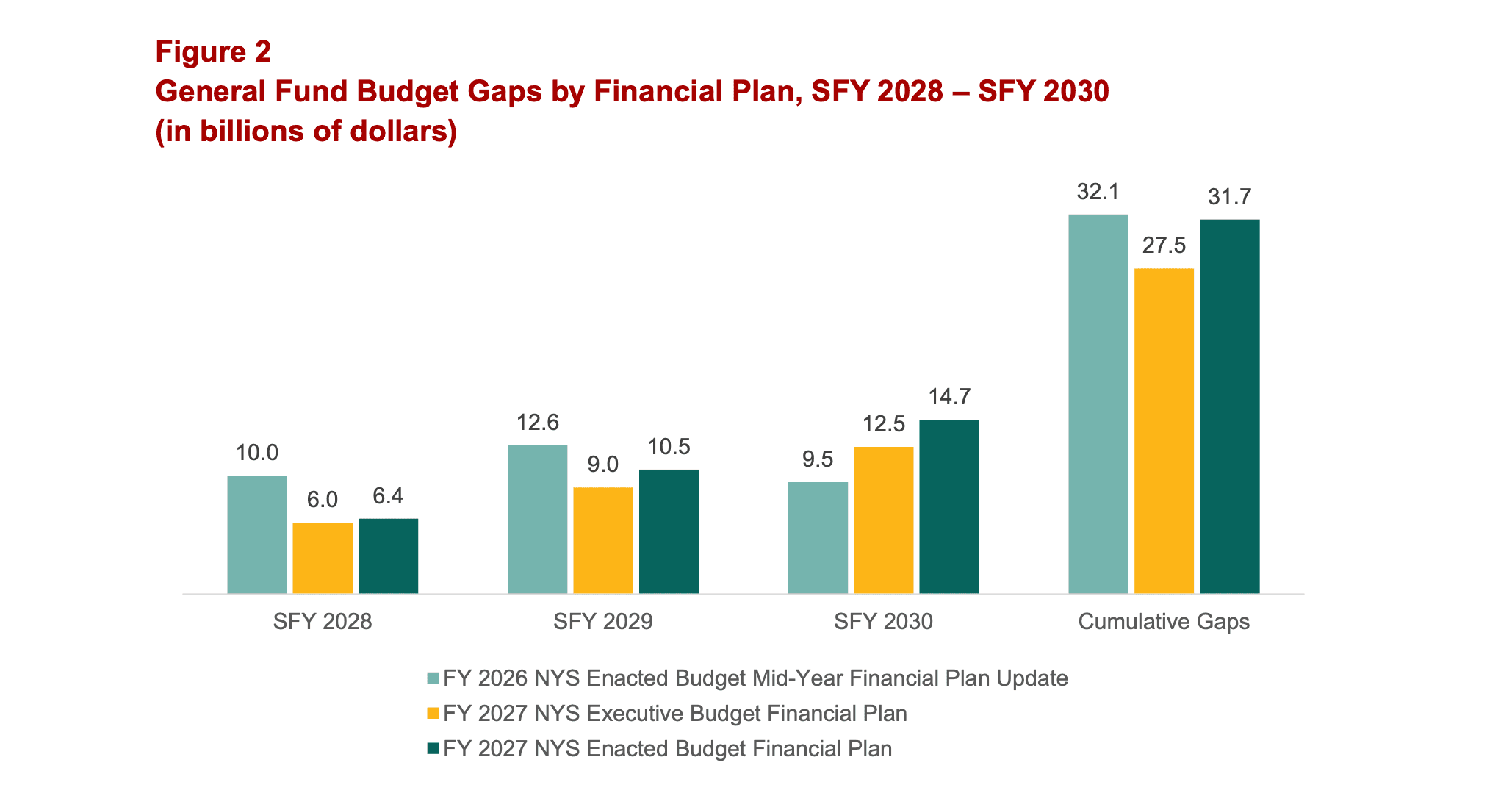
New York’s finances are on an increasingly unstable path, with the state now facing a projected cumulative budget gap of nearly $31.7 billion over the next three fiscal years, according to a new report from State Comptroller Thomas P. DiNapoli.
The comptroller’s analysis of the enacted 2027 state budget warns that spending continues to grow far faster than revenue, creating what it describes as a "structural budget imbalance" that poses a significant fiscal risk.
The report projects $277 billion in state spending for the current fiscal year, an increase of $18.1 billion, or 7%, while revenues are expected to grow by just 1.1% to $269.8 billion. The result is a budget in which spending exceeds revenues by more than $7 billion, forcing the state to draw more than $1 billion from its General Fund balance to remain balanced.
DiNapoli warned the imbalance is expected to worsen in the coming years, with the projected three-year deficit now $4.1 billion larger than forecast in the governor’s executive budget released earlier this year.
Healthcare and education continue to drive much of the spending growth. Medicaid spending is projected to reach $48.2 billion, while school aid is expected to total $39 billion. The budget also includes expanded childcare funding, increased aid to local governments and $1 billion for utility-related rebate checks.
At the same time, the report warns New York remains vulnerable to economic uncertainty, including inflation, slowing job growth, international instability and changes in federal funding for healthcare and nutrition programs.
"The state's finances remain highly exposed to federal actions and potential economic downturns," DiNapoli said, urging lawmakers to strengthen the state's rainy-day reserves and address the growing gap between recurring spending and recurring revenues.
Without meaningful changes, the report suggests New York's long-term fiscal outlook could become increasingly difficult as spending obligations continue to outpace the state's ability to pay for them.
You Might Also Be Interested In

Microgrids Could Ease AI’s Growing Power Demand

Billions in Lost Money Waiting for New Yorkers

Parolee Murder Spree Fuels Albany Crime Debate