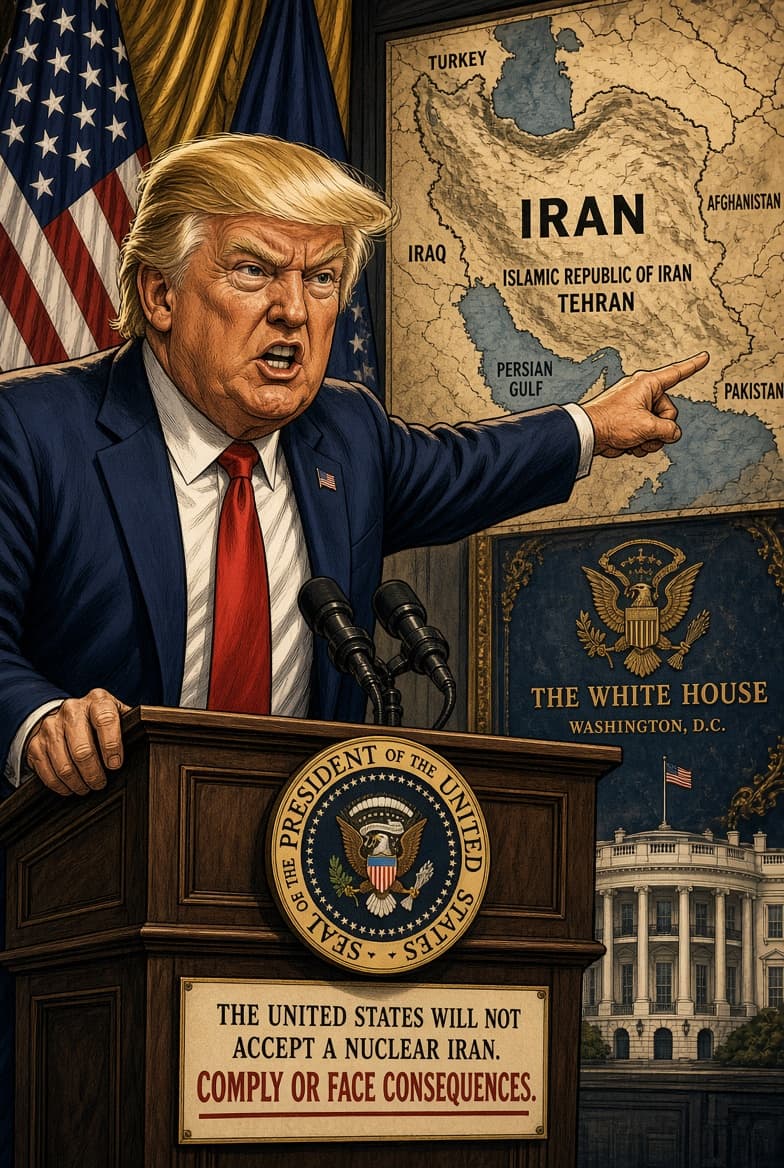

U.S. and Iran Trade Strikes Over Hormuz, Agree to Resume Talks
Trump declared the June ceasefire 'over' as both sides exchanged fire for a second straight day
The United States and Iran agreed Friday to restart diplomatic talks even as both countries kept trading military blows over the Strait of Hormuz, with President Donald Trump announcing on social media that a ceasefire reached last month was definitively "OVER."
Trump wrote on Truth Social that Iran had sought to continue negotiations and Washington had agreed, but that the U.S. had made clear "in no uncertain terms" that the cease-fire established by a June 17 memorandum of understanding no longer held. Tehran offered no immediate confirmation that it had initiated such a request.
Since Tuesday, U.S. Central Command said American forces had struck roughly 170 targets within Iran, hitting air defense installations, storage facilities for drones and missiles, and fast-attack patrol boats. Iran struck back against U.S. assets throughout the region and attacked three commercial tankers transiting the strait.
Analysts at maritime intelligence firm Windward called the week's exchange of fire "the most significant escalation of the conflict since its opening phase" in late February and early March, when the war began.
The core dispute centers on which shipping lane through the Strait of Hormuz commercial ships are permitted to travel. Under the June memorandum, Iran guaranteed safe passage for vessels, but Tehran has maintained that ships must take a northern path through Iranian territorial waters. U.S. forces have been guiding tankers through a southern passage along the Omani coastline, avoiding waters under Iranian control. Iran's Revolutionary Guard warned Thursday that U.S. military "interference in determining the routes of maritime traffic" would be met with a "decisive response."
Qatari officials flew to Iran on Friday in a bid to lower tensions and lay the groundwork for broader negotiations, officials in Doha said. Qatar's prime minister wrote on social media that he had urged both parties to honor their obligations under the June agreement.
Iran's Parliament Speaker Mohammad Ghalibaf indicated Friday that Tehran had not closed the door on diplomacy. "Ending the war is a priority for the countries of the world," he said, "but everyone should know that this conflict will never end with Iran's surrender."
Trump, who earlier in the week at the NATO summit in Ankara, Turkey, had said he no longer wanted to engage with Iran, told reporters on his return flight that Iran had reached out looking for a deal. "They want to make a deal so badly," he said, while expressing doubt about whether Iran would follow through on any agreement.
Oil markets edged downward Friday, with the global benchmark Brent crude futures slipping to $76.30 per barrel. Continued hostilities have kept energy prices high; the nationwide average for a gallon of gasoline stood at $3.88, about $0.71 above where it was a year ago.
The June memorandum had required an immediate halt to fighting, an end to the U.S. naval blockade of Iran, and the reopening of the strait to commerce. Each side has accused the other of breaching those terms ahead of the latest flare-up. Trump has also threatened to restore the naval blockade and impose fresh oil sanctions on Iran in response to the attacks on tankers.
You Might Also Be Interested In

Treasury Chief Vows to 'Collapse' Iran With Historic Sanctions
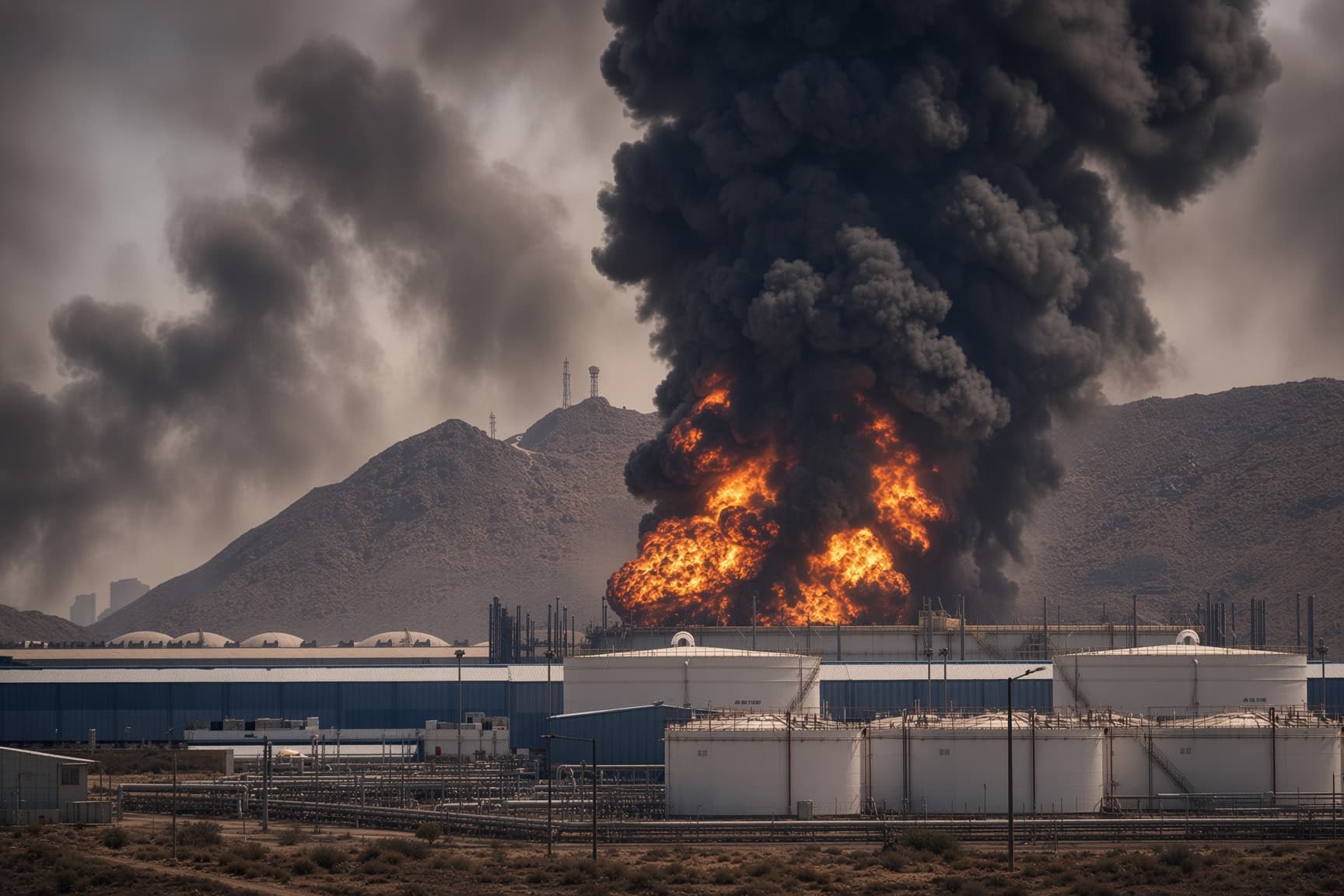
UAE Cuts All Trade With Iran After Missile Attack Claims
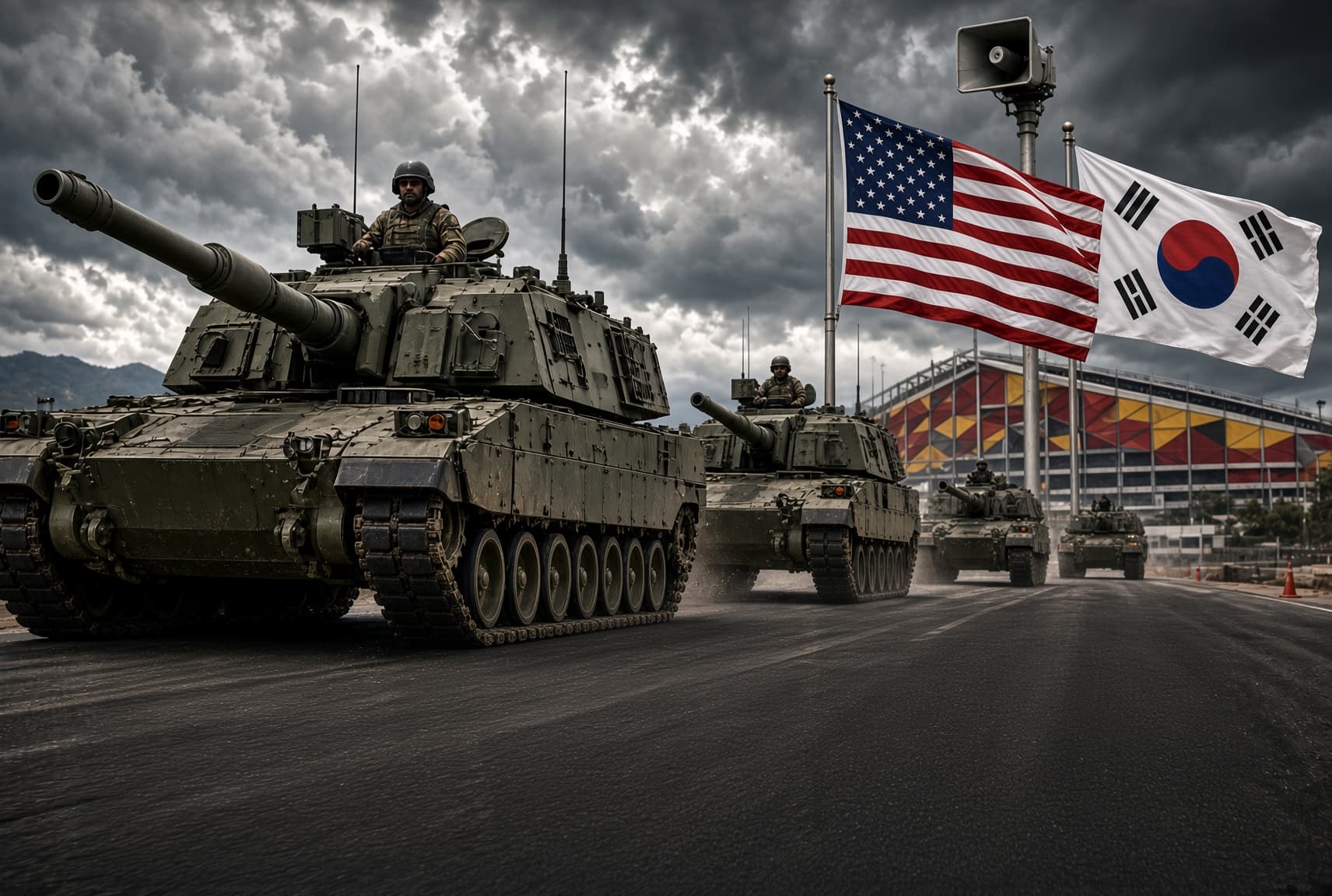
Trump Orders Shortened South Korea War Games