A Pile of Problems Has Landed on Wall Street Since Election Day
Each new shock since Democrats won Congress and a wave of state races has landed on a market that was already nervous.
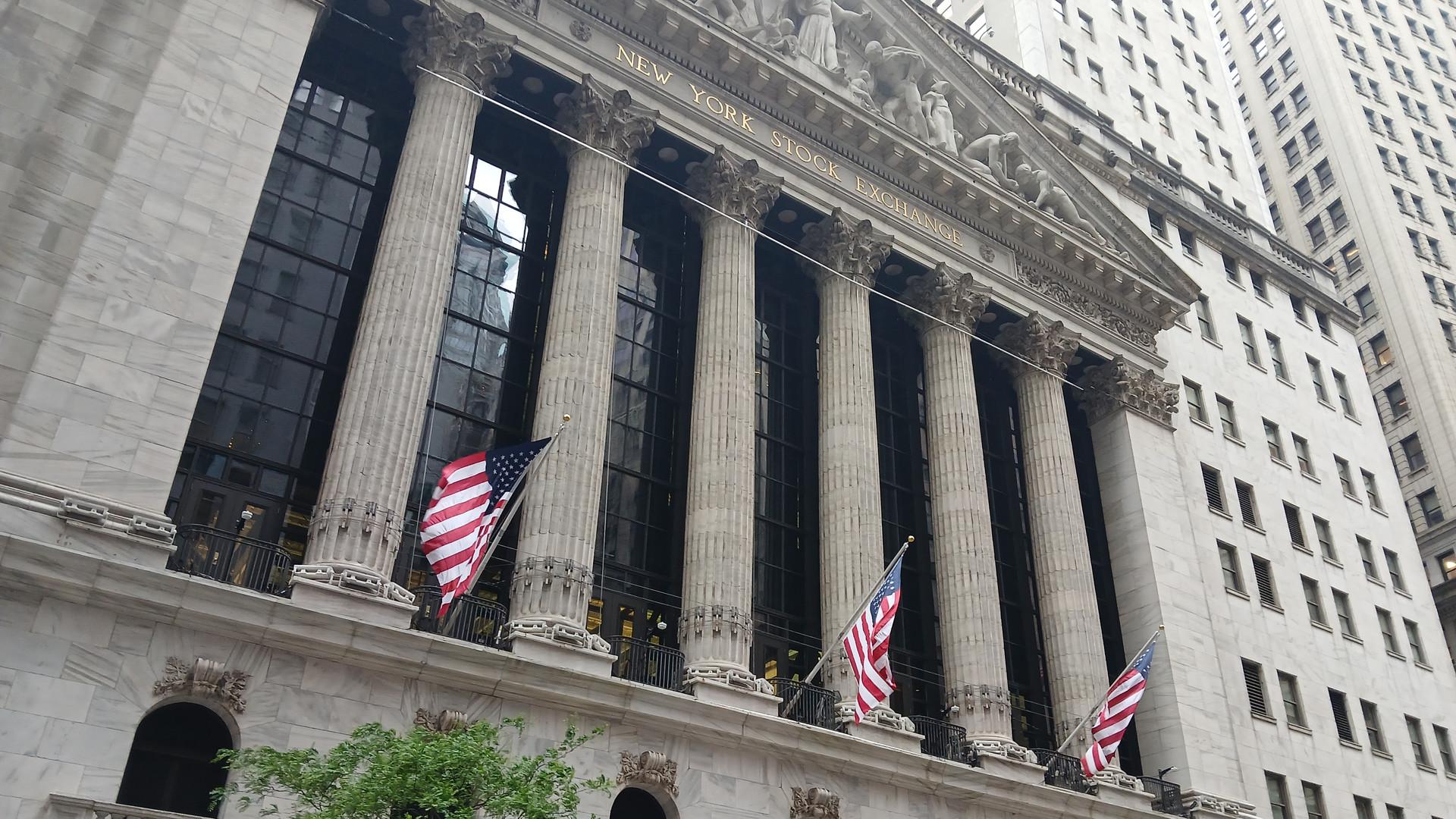
Wall Street has been clobbered since Election Day, with the S&P 500 down about 9 percent and the Nasdaq about 11 percent, and nearly all of that damage landed in the second half of November as one problem after another arrived on top of a market that was already nervous. Gold and bitcoin fell with shares.
Democrats won the Senate and the House on Election Day, and they will take control of both once the new Congress is seated in January. They also flipped legislative chambers from Texas to Wisconsin and now hold a majority of the nation's governorships. The White House did not change hands, so the president faces an incoming majority that has vowed to rein him in, with deadlock possible for the full life of the new Congress. Many of the new winners in the states campaigned on slowing the construction of data centers, and Texas, Ohio, Michigan and Georgia are among the biggest markets for them. Investors had expected a Democratic win and had underestimated its size, and the S&P 500 had its worst day since the spring of last year as traders weighed new regulation of the industry that drives so much of the economy's growth.
On Nov. 12 Nvidia announced that Jensen Huang had resigned as chief executive, effective immediately, with chief financial officer Colette Kress taking over on an interim basis while the board looks for a permanent successor. Nvidia sits in the middle of the AI boom as its main chip supplier, and its stock has lost about 40 percent since Election Day even though the company raised its revenue outlook in its latest earnings. Reports that SEC enforcement staff are examining its accounting deepened the slide, and the agency declined to comment. The Fed's own financial stability report describes chip makers guaranteeing the resale value of their processors and investing in the customers who buy them. Strategists describe a fear that Nvidia's troubles will spread to the smaller AI firms that lean on that kind of support, and a company led by an interim chief executive with an inquiry hanging over it is a weaker one to rely on.
On Nov. 13 the FAA halted departures from every airport in the country for several hours after its air traffic control network became unstable, and airlines canceled flights for days afterward. Planes already in the air landed safely, and the agency attributed the problem to a flood of data on its network. Three days later a software bug slowed transactions at JPMorgan Chase until the evening. Officials said the incidents were unrelated and were not cyberattacks. The direct cost to earnings is small, and retail analysts found most of Costco's high-ticket generators sold out online after the episodes frightened households, a sign of confidence slipping among the shoppers who drive spending.
The Fed held its policy rate steady in late October with dissenters wanting an increase, and minutes released last week said almost all participants judged further hikes likely to be appropriate. October consumer prices rose faster than forecasters had predicted. Futures markets now treat a quarter point increase when the Fed meets Dec. 8-9 as close to certain, and one Fed governor has said a bigger move should be on the table. The ten-year Treasury yield pushed above 5 percent earlier this month. Higher rates cut the value of every future dollar of profit, which hits growth stocks hardest, and they raise the cost of the borrowing that is paying for data centers. The Fed's report puts that borrowing in the hundreds of billions of dollars.
Money managers were already trimming risk before any of this, and prime brokerage data for October showed hedge funds selling stock to shrink their exposure, a retreat the November selling extended. Credit has stayed calm through all of it, with the extra yield on risky corporate bonds widening only slightly and the Fed calling funding risks moderate, so the losses so far sit in stock portfolios with no sign of strain in funding markets. That calm limits the damage for now and hands stocks no catalyst to rebound. The pile of problems that clobbered the market since Election Day has no quick exit, because Democrats take their seats in January and Nvidia is still searching for a permanent chief executive. The Fed meets in December with a rate increase expected, and the market that faces that meeting sits well below its Election Day level.
You Might Also Be Interested In
Medicaid under One Big Beautiful Bill: What's Changing?
A 10 Percent Cap on Card Rates Would End Credit for Millions of Borrowers

The Bank of Jensen Lost Its Banker