

An AI Landlord's Blowout Quarter Reopens the Debate Over Who Profits From the Boom
CoreWeave, which rents out AI computing power, posted a 168% jump in quarterly revenue and said its prices are still rising, easing fears that the data-center buildout has outrun demand.
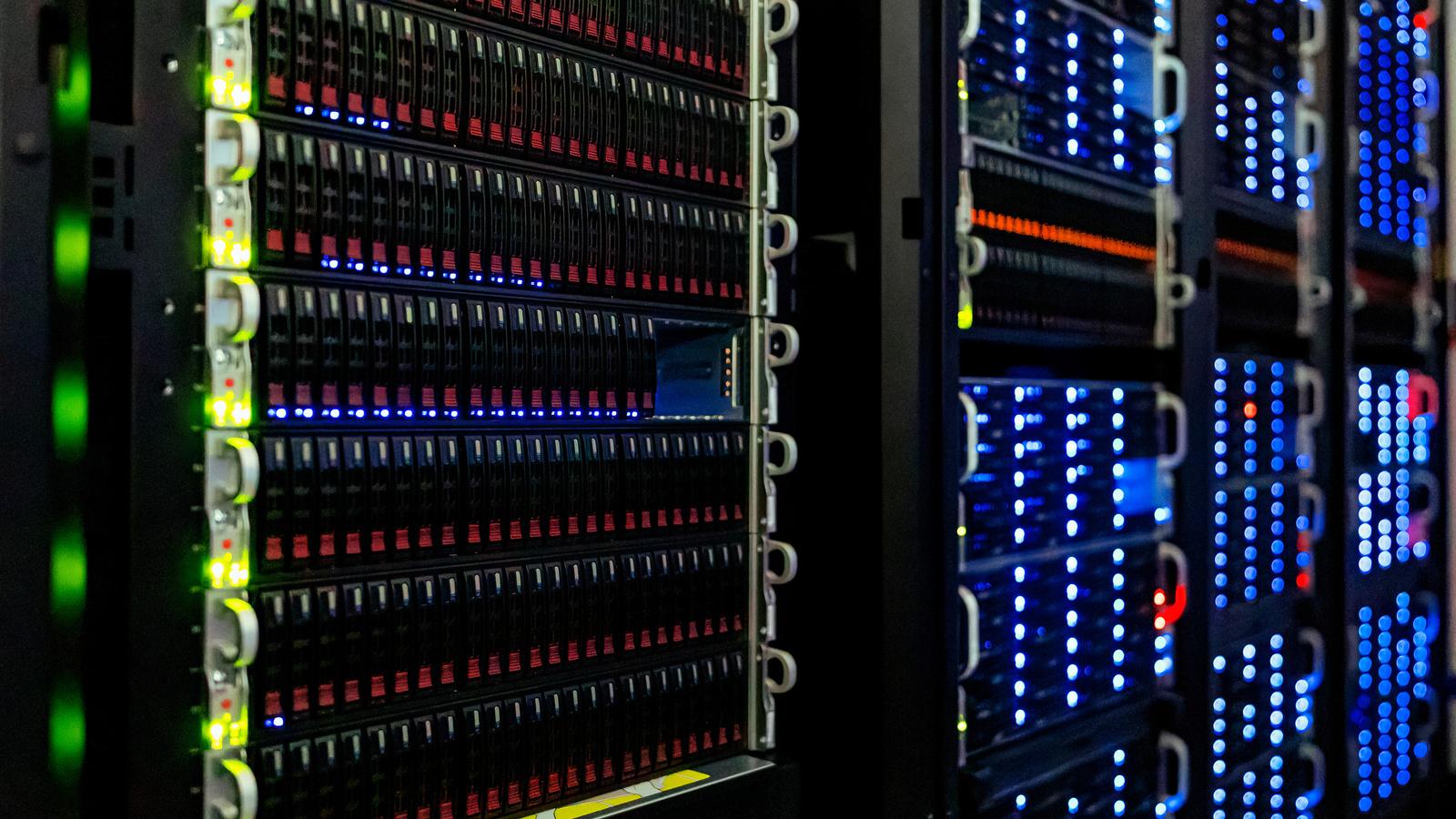
This week's standout tech earnings report came from CoreWeave, a company that rents racks of graphics processors to customers who need computing power without building data centers of their own. Third-quarter revenue rose 168% from a year earlier to about $3.7 billion, the company said, and it raised its forecasts for the full year. Its shares jumped nearly 25% on Wednesday, their best day since April 2025.
Pricing drew the most attention. CoreWeave lifted prices on its services roughly 25% in July and added about 10% more before the quarter ended, chief executive Michael Intrator said, and he said prices were still climbing. Capacity sold on short-term deals is fetching upward of $40 million per megawatt each year, he said, against $20 million to $25 million for each megawatt on new contracts that run four or five years. A market flooded with surplus chips would show rents falling as capacity comes online. Rising rents point instead to demand for running AI models that is outpacing the industry's ability to build data centers.
The results cut against a narrative that had been building for weeks: that the AI buildout had outrun the revenue AI companies could generate, and that anyone who borrowed heavily to build data centers on speculation faced a reckoning. CoreWeave's quarter, along with a statement this week from OpenAI chief financial officer Sarah Friar that the ChatGPT maker's third-quarter revenue rose nearly 50% over the second quarter to $10 billion, pushed that reckoning further out, at least for now. Financing worries eased too. Intrator said the company would stay out of the unsecured debt market at current yields and would lean on loans tied to specific customer contracts and on customer prepayments, which it expects to total about $9 billion over the next three months.
The counterargument is a serious one, and it comes from investors who sold AI-related stocks earlier this year and have stayed away. In their view, live rental prices and backlog figures describe demand today and say little about demand in 2028, after the data-center capacity now planned comes online. Excess capacity tends to build slowly and then hit prices suddenly, so a glut often goes unnoticed until rents have already dropped. The same buildout that is straining power grids and construction labor markets today could sit half-empty in three years if corporate adoption of AI grows more slowly than the capital spending assumes.
The timing adds to the strain. Reports that Nvidia chief executive Jensen Huang had a relationship with a woman U.S. officials are said to suspect of spying for China rattled chip stocks in recent days, and markets are still sorting out whether the episode is confined to one company or signals wider regulatory risk for the AI supply chain. Sen. Kevin Cramer, a Republican on the Senate Banking Committee, urged Huang this week to resign.
For ordinary investors, the stakes are concrete. This week's rental-price data offer a real-time read on underlying demand that is more useful than any single company's revenue guidance. Whether those prices hold as more capacity comes online over the next year may be the biggest swing factor for the market.
You Might Also Be Interested In
The Fed's December Decision Just Got a Lot Messier

Reports on Jensen Huang Cast a Shadow Over the AI Industry's Chief Ambassador
Trump Says FBI Is Looking Into Huang Matter ‘In Terms of Something Else’ as Nvidia Opens Review