
Why Your Bank Statement and the Fed's Chart Don't Agree
The accumulated price increase and a household’s own spending mix explain more than an unsupported forecast of the next rate decision
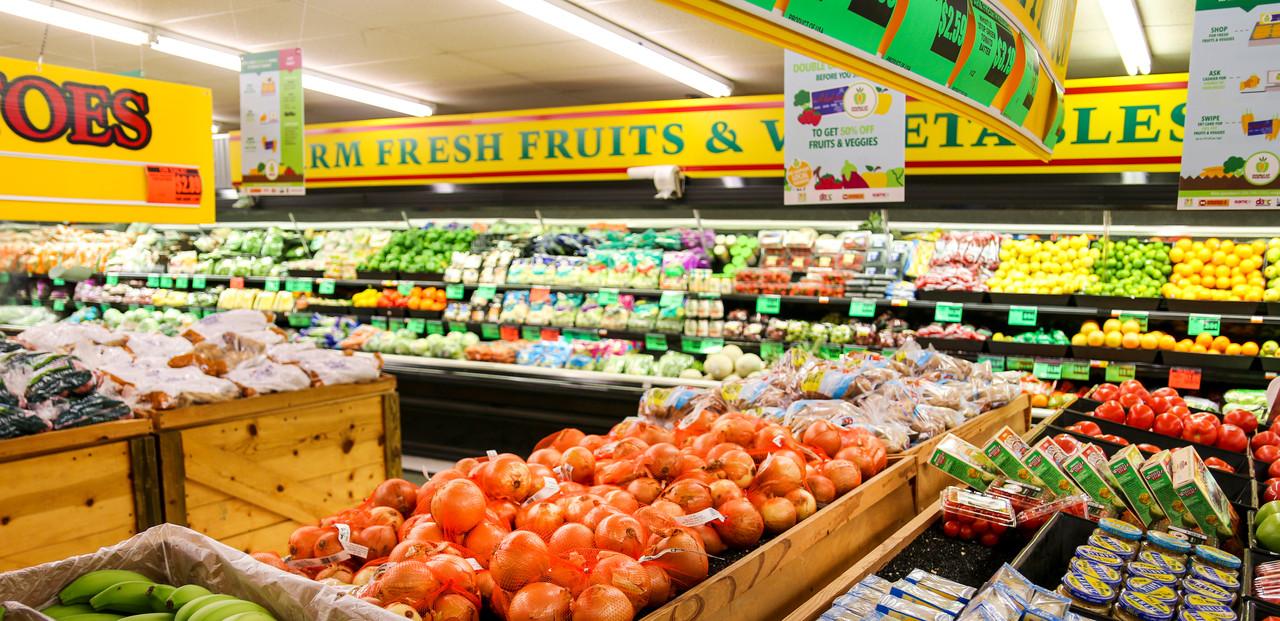
A family can hear that inflation is easing and still find its checking account under pressure. There need not be a statistical trick behind that experience. A slower rate of increase leaves earlier price increases in place, and a national average does not reproduce any one household's bills.
Start with the price level. The Bureau of Labor Statistics puts the national, unadjusted consumer price index at 336.940 for September 2026. In September 2019 it was 256.759. Dividing one by the other shows an increase of about 31.2 percent. That comparison covers seven years; it is not the inflation rate for the latest year, and it does not mean every item rose by the same amount.
It does explain a common frustration. Slowing inflation does not normally mean returning to the old price tag. In a simple illustration, a purchase rising from $100 to $110 has become 10 percent more expensive. If its price then rises another 2 percent, it costs $112.20. The second increase is slower, but the buyer still needs an extra $12.20 compared with the starting point.
The latest available September breakdown also shows why broad averages can seem remote. BLS measured a 3.7 percent increase in overall consumer prices over the preceding year. Gasoline rose 34.2 percent and fuel oil 74.2 percent, while electricity increased 4.4 percent. Those figures describe national price movements, not identical changes at every filling station or on every utility bill.
Some categories moved the other way. BLS put the decline in used vehicle prices at 1.5 percent. Insurance for motor vehicles was 5 percent cheaper. Grocery prices, measured by food purchased for home consumption, increased 1.8 percent. A family buying heating oil has a different exposure from one that does not. A household not buying a used car receives no immediate cash benefit from a lower national vehicle price index.
BLS explains that its index weights purchases using spending patterns across households. Your own mix can differ, sometimes substantially. The measure is designed to describe prices across a population, not to certify that a particular family's paycheck has caught up. Its published average and a household's genuine financial strain can both be accurate.
The agency also notes that consumers tend to notice changes in frequently purchased items more than in occasional purchases such as appliances. That is another reason a household's impression can diverge from a comprehensive index without either being dishonest.
There is another distinction when someone invokes the Fed's inflation target. The Federal Reserve says its 2 percent longer-run objective is measured using the personal consumption expenditures price index. The CPI numbers above therefore cannot be substituted for the Fed's chosen yardstick. Neither the target nor a favorable monthly inflation reading is a promise to restore a family's 2019 purchasing power.
Public officials should stop presenting an improved rate of inflation as a completed repair of household finances. The proper question for a family is whether income available to spend has risen enough to cover its own obligations. National inflation statistics help answer that question; they cannot answer it alone.
For a Long Island household, a useful check is to compare several months of actual expenses with the same period a year earlier, separating price changes from changes in usage or purchases. A larger fuel bill might reflect more consumption, a higher unit price or both. A new car payment should not be confused with a change in the price of a car already owned. Those distinctions are basic bookkeeping, not excuses for expensive necessities.
People should resist making a household budget depend on a forecast of the next rate decision. None of these price figures establishes what the Fed will do next or when financing will become cheaper. They establish something narrower and more useful: the accumulated increase remains large, current pressures vary sharply by category, and measuring an average is not the same as balancing a family's accounts.
You Might Also Be Interested In

Democrats Swept the Midterms, and Stocks Rallied. Don't Read Too Much Into the Timing.
Texas Just Became a Swing State for the AI Economy

The Industrial Economy Is Quietly Sending a Warning Light