
Democrats Swept the Midterms, and Stocks Rallied. Don't Read Too Much Into the Timing.
Stocks jumped and oil sank the day after Democrats won both chambers of Congress, but a single trading session can show correlation, not cause.
Election nights usually make investors nervous. The day after this one, stocks jumped and oil plunged. It is tempting to draw a straight line from the ballot box to the trading floor. The honest version is more careful than that.
Start with what voters did on Tuesday, Nov. 3. Democrats took control of both chambers of Congress, based on network projections and unofficial counts that will not be certified for weeks. They are on track for at least 54 Senate seats, counting independents who vote with them, after flipping seven Republican seats in states such as Ohio, Texas, Iowa and Kansas. In the House, projections put the party well past the 218 seats needed for a majority, though estimates of the final margin still vary and several races were still uncalled on Wednesday. In Texas, voters also picked a Democrat, Gina Hinojosa, for governor.
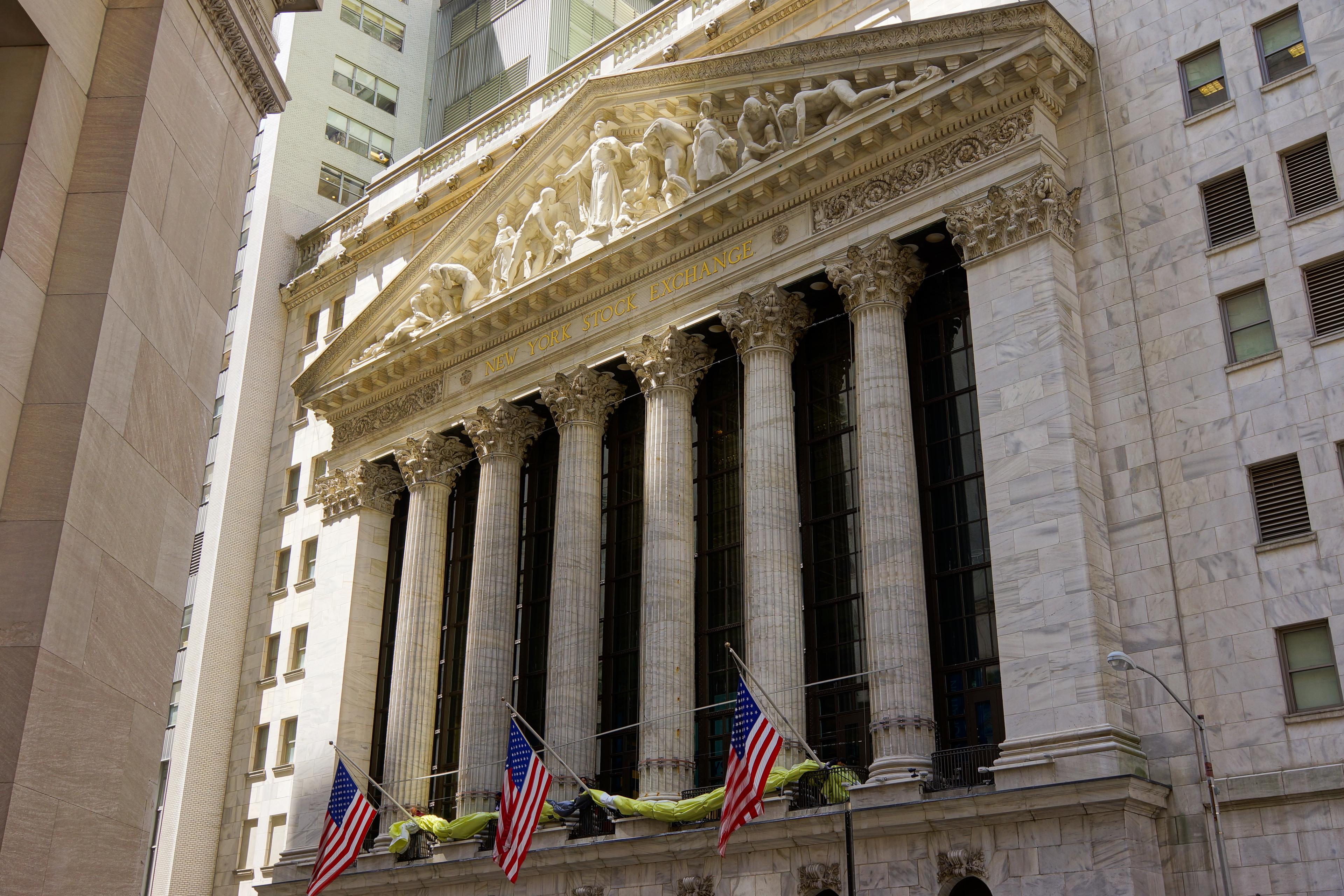
Now the market. On Wednesday, Nov. 4, the Dow Jones Industrial Average closed up nearly 1,600 points, or about 3 percent, at 53,356. The S&P 500 finished at 7,689, an increase of 1.6 percent. The Nasdaq rose about 1.4 percent.
Oil went the other way, and fast. Brent crude, the global benchmark, fell about 8.7 percent to settle at $94.62 a barrel. That came on top of steep losses earlier in the week, so the slide was well underway before the results were known.
Here is where readers should slow down. Those moves happened on the day after the election, and the results plausibly played a role. President Trump acknowledged that the Iran war had hurt his party, and oil traders read that as a sign the administration might look harder for a way out. But the oil slide began before Election Day, and stocks may also have been responding to cheaper energy and the usual flood of other news. A single day's chart can show what happened alongside an election. It cannot prove the election caused it.
My read is that two things are probably true at once. First, markets dislike open questions more than they dislike any particular answer. A decisive result, with no prolonged fight over who won, removes one source of uncertainty, and that alone can lift prices for a day or two. Second, for oil, the political shift did matter, because a Congress controlled by Democrats has more ways to pressure the White House on the war, and the war has been a major force behind high fuel prices this year.
What the vote does not do is hand Democrats the power to rewrite economic policy. President Trump still holds the veto, and Democrats do not have the two-thirds majorities needed to override him or the 60 votes needed to move most bills through the Senate. Divided government tends to mean fewer sweeping tax and spending laws, and investors have long treated that kind of standoff as tolerable.
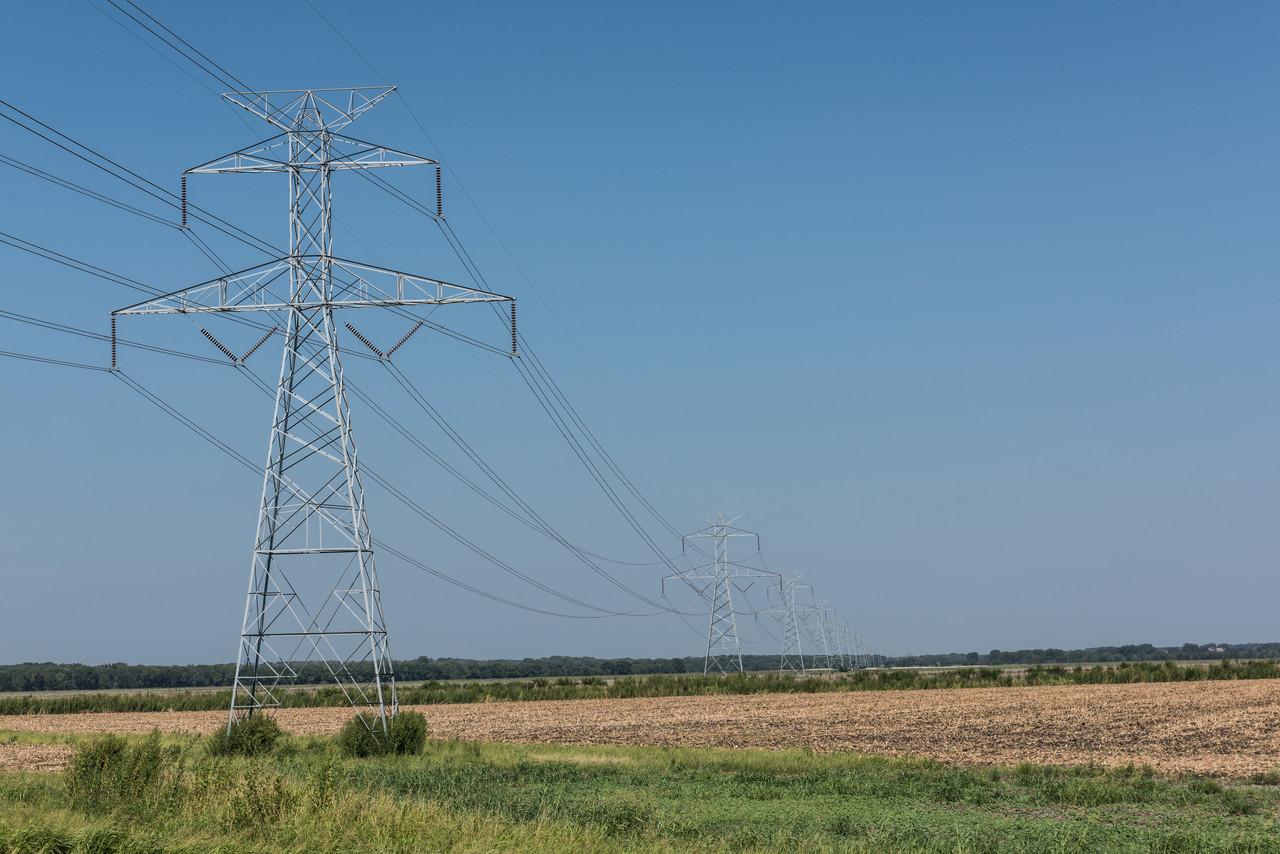
The bigger shifts may come in the states. Texas is the clearest example, because its next governor campaigned on pausing new data centers while the state's grid operator works through an enormous backlog of power requests. That matters for utilities, power producers and the companies building AI infrastructure, and it will play out in Austin, not Washington.
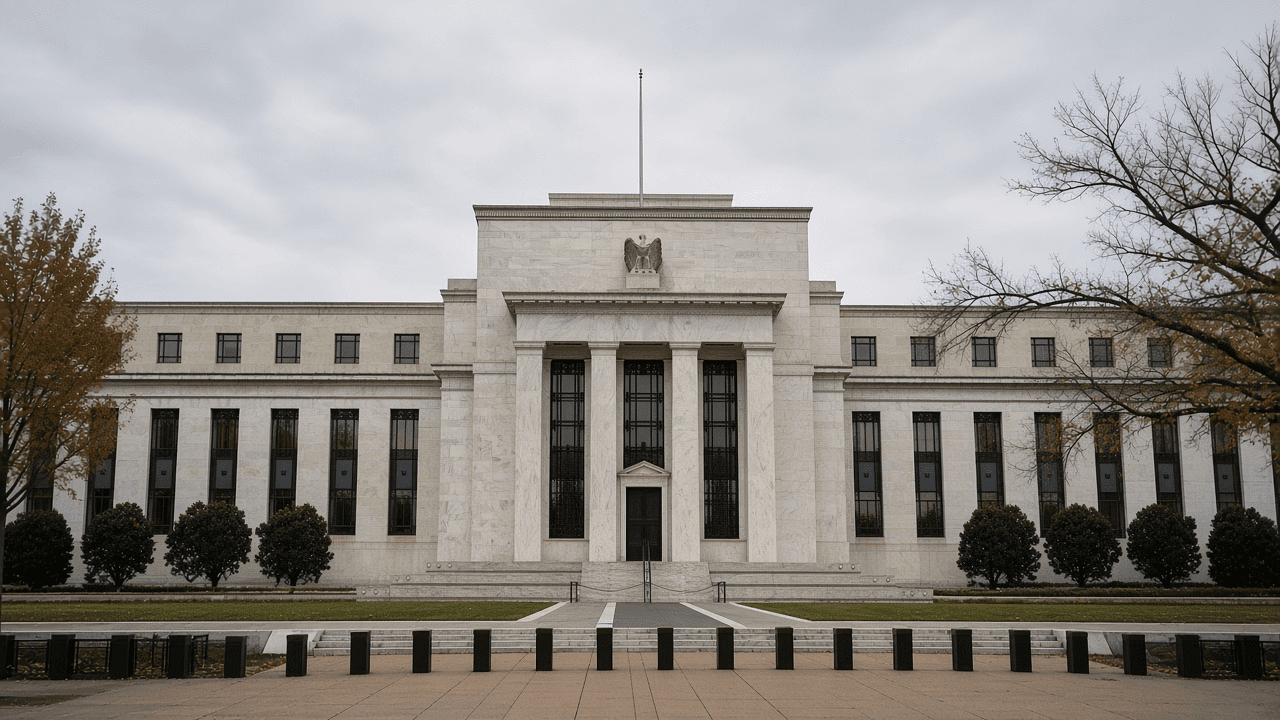
Here on Long Island, the household effects are modest and mostly indirect. Cheaper oil, if it holds, would show up at the pump and in heating bills this winter. Mortgage rates will still follow inflation, the Federal Reserve and the bond market. Anyone tempted to trade on election headlines should remember that a one-day rally reflects a lot of things, and only some of them were on the ballot.
You Might Also Be Interested In
Texas Just Became a Swing State for the AI Economy

The Industrial Economy Is Quietly Sending a Warning Light
Water Authority accepts final review of North Fork pipeline