

The Industrial Economy Is Quietly Sending a Warning Light
Behind a stronger-than-expected October factory report, a run of corporate guidance cuts from engine makers to food distributors suggests costs are rising faster than demand
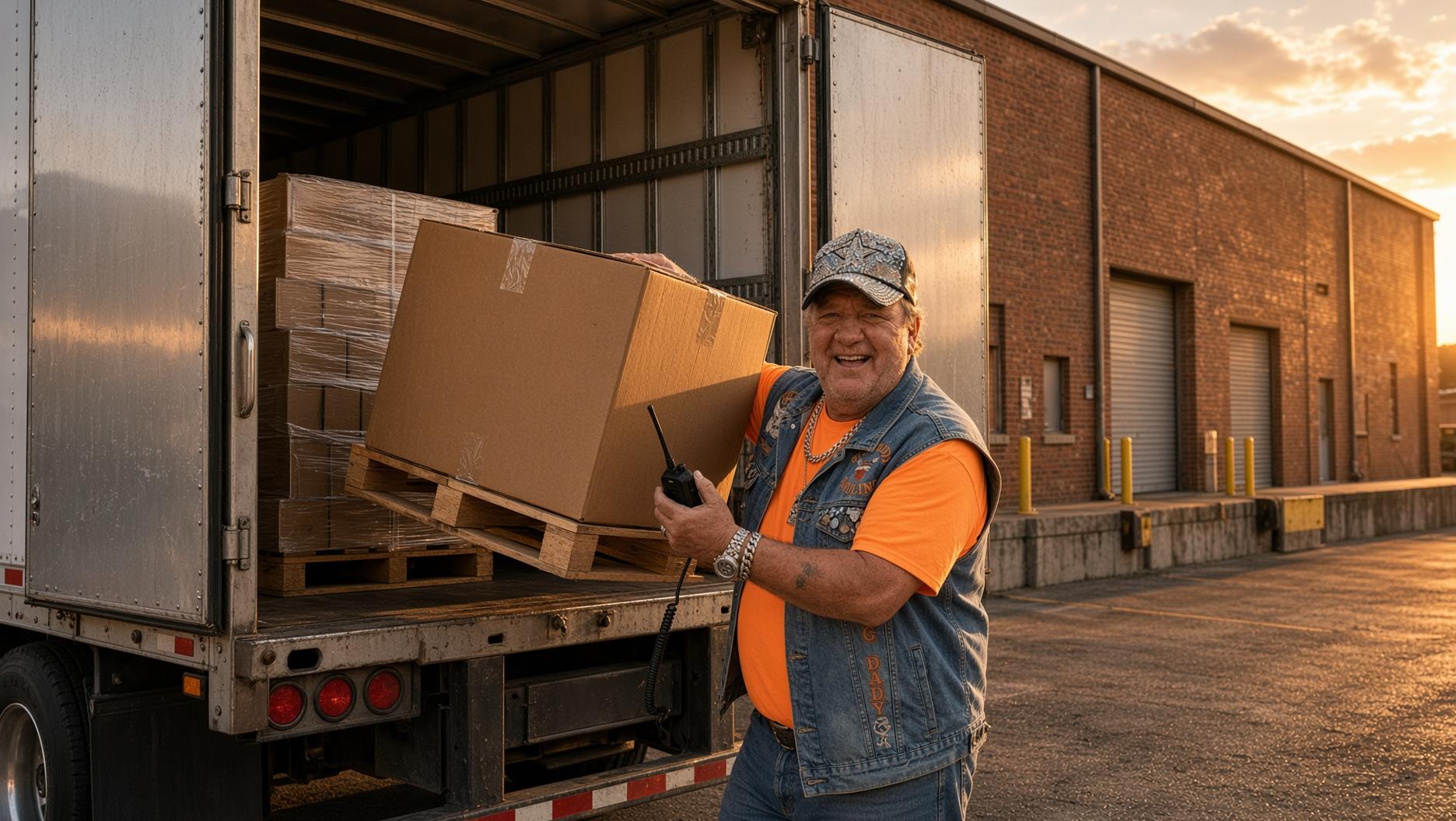
Cummins, the diesel-engine maker that powers everything from long-haul trucks to backup generators, trimmed its full-year sales outlook this week even as its latest quarterly profit beat Wall Street's lowered bar. The company now expects sales growth of around 10 percent for the year, down from a range that topped out near 13 percent just a quarter ago. That's not a disaster. It's a company telling investors, quietly and through a spreadsheet, that the back half of the year isn't shaping up the way it hoped.
Cummins isn't alone. US Foods, the food-service distributor that keeps restaurant kitchens and school cafeterias stocked, guided its fourth quarter toward the low end of its own range this week, even as independent restaurant orders grew. Advance Auto Parts narrowed its earnings guidance lower at the midpoint despite a profit beat, citing a sales pattern that went negative for two months before turning positive only in the final weeks of the quarter. None of these are AI darlings or hyperscalers. They're the unglamorous middle of the economy - the trucks, the warehouses, the auto parts counters - and they're telling a more cautious story than the headline statistics would suggest.
The headline statistics have been sending mixed signals for weeks. October's manufacturing survey came in hotter than expected, both in activity and in the prices factories are paying, which is usually read as a sign of resilient demand. But resilient demand and resilient profit are different things. Rising input costs, still-elevated financing costs, and tariff-related price pressures are squeezing margins at exactly the kind of companies that don't get to pass costs through as easily as a software firm with 80 percent gross margins. When a maker of diesel engines lowers guidance on both revenue and profitability in the same breath, that's a company managing through friction, not coasting on demand.
For Long Island readers, the relevant translation isn't abstract. A lot of the region's logistics, trucking, and light-industrial employment sits downstream of exactly this kind of company. Suffolk County's economy leans more on healthcare, retail, and services than on heavy manufacturing, but the freight that moves goods through the Long Island Expressway corridor, stocks grocery shelves, and keeps construction sites running depends on engines, parts, and food distribution staying cheap and reliable. When a distributor like US Foods says its own cost inflation came in lower than expected but still isn't translating into stronger guidance, that's a sign the squeeze is coming from somewhere other than raw input prices - likely labor, freight, and financing costs that don't show up cleanly in a single data point.
The broader pattern worth watching is a economy where the aggregate numbers - GDP growth, ISM readings, headline job counts - look fine, while company-level guidance keeps drifting lower at the margins. That's often what the early innings of a slowdown look like: not a crash, but a thousand small downward revisions from companies whose customers are a little more hesitant, whose costs are a little stickier, and whose confidence in the next two quarters is a little shakier than it was in the last earnings call. None of these companies are panicking. But none of them are raising the roof, either, and in an economy this large, a pattern of modest disappointments from unglamorous, real-economy businesses tends to say more about where things are actually headed than any single blockbuster earnings report from a chipmaker.
You Might Also Be Interested In
Water Authority accepts final review of North Fork pipeline
Two Fed Officials Wanted a Rate Hike This Week. The Rest Chose to Wait.
Economy Grew at a 3.4% Pace Last Quarter, With Imported Computers Swelling Investment