

Texas Just Became a Swing State for the AI Economy
A governor-elect who campaigned on a data center moratorium inherits a freeze her predecessor already started, and the industry's costs are shifting from boardrooms to statehouses
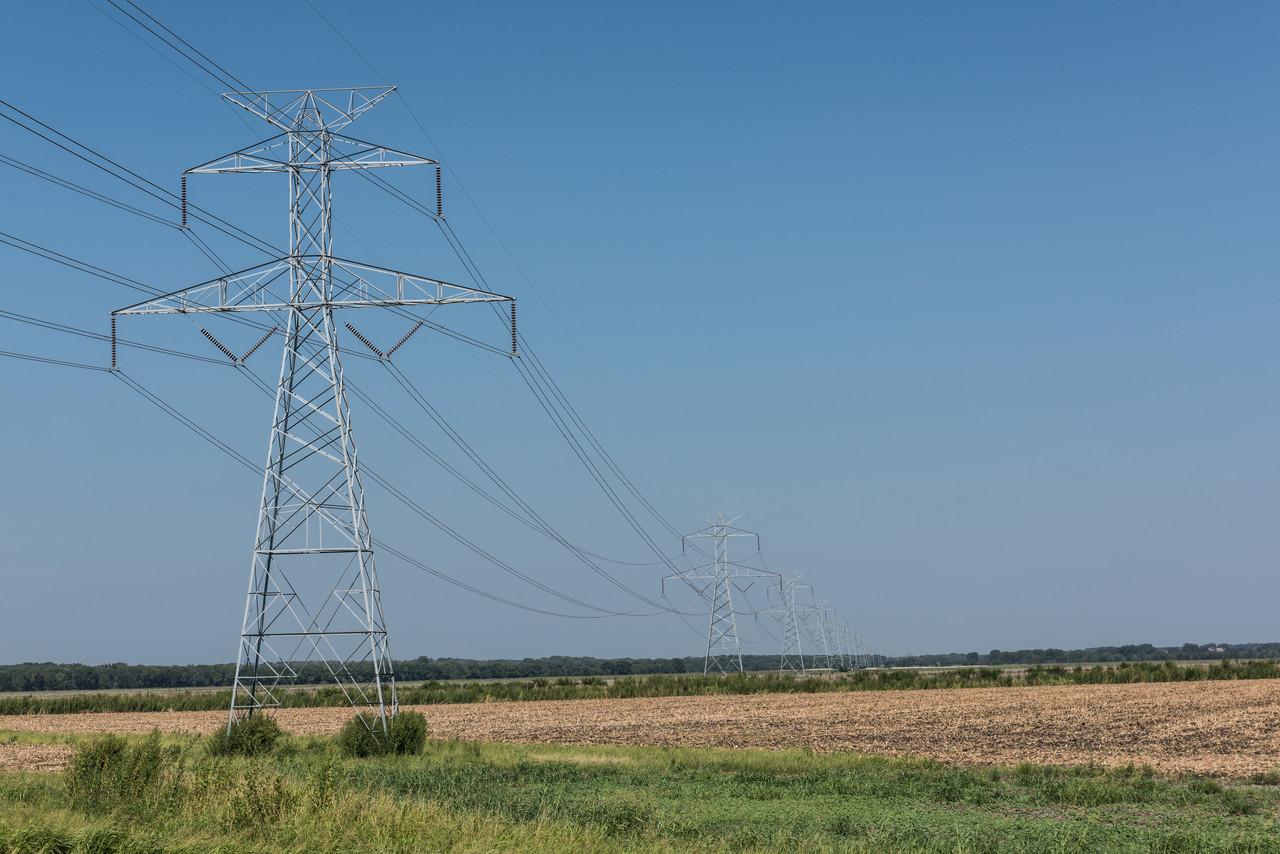
Texas spent years selling itself as the easiest place in America to plug a data center into the grid. Voters just made that pitch a lot harder to deliver.
Democrat Gina Hinojosa holds a lead of more than 700,000 votes over Gov. Greg Abbott in the state's unofficial returns, and she ran on stopping new data centers cold. Her platform demanded an immediate statewide moratorium that would stay in place until lawmakers write protections giving communities a say over whether the facilities come to town. She also wants the industry's subsidies ended and assurances that households will not see higher electric bills because of it. She is due to be sworn in Jan. 19, after the Legislature convenes earlier that month.
Investors should not mistake this for a sudden reversal. The brakes were already on, and Abbott is the one who pressed them. On Aug. 3 he ordered the Public Utility Commission and the grid operator, ERCOT, to audit every data center working through the interconnection process before any of them advanced. Projects that failed to meet the requirements were to be refused a connection. His office put the pending requests at roughly 474 gigawatts, more than five times the grid's record peak demand, and said about 90 percent came from data centers. ERCOT responded the same day by holding back the project classifications it had promised developers by Aug. 7.
Seven weeks later Abbott widened the freeze. A Sept. 21 letter ordered the state's environmental regulator to stop granting permits tied to data centers until ERCOT's review was done. The regulator told him on Oct. 19 that it had complied, was screening pending applications and was suspending some authorizations that normally need no affirmative approval.
The audit itself is moving. In a preliminary summary presented to regulators on Nov. 5, ERCOT said all 245 large loads in its process, meaning projects of 75 megawatts or more, had answered its questionnaire. Those projects account for about 166 gigawatts of requested capacity. Thirty-three of them each want more than a gigawatt, and together they represent about 36 percent of the total. West Texas carries the biggest share, about 73 gigawatts. ERCOT is aiming to publish a final report on Dec. 10.
That gap between 474 gigawatts and 166 gigawatts is worth a pause of its own. The two numbers measure different things. The larger one counted every big request in the pipeline, data center or not. The smaller one covers the data center projects that got ERCOT's questionnaire and filled it out. Neither total should be treated as a promise that every project will be built.
Texas has also already changed the rules of the road. A 2025 law requires large new customers to pay at least $100,000 for an initial grid screening study, contribute toward the cost of connecting them, and accept equipment that lets their power be cut during rotating outages if they were connected after 2025. Abbott, for his part, pledged to work with lawmakers to strip financial incentives from data centers.
So the question is not whether Texas regulates data centers. It already does, and both the outgoing and incoming governors want the industry to carry its own costs. The question is how long the pause lasts and what replaces it. A moratorium tied to future legislation could stretch well into 2027, depending on how quickly lawmakers act.
My read is that delay is the real cost. A data center that sits waiting for a grid connection still carries land, equipment and financing bills. Where the project runs on borrowed money, every month without power is a month of interest without revenue. Developers will price that risk, and some will chase friendlier states.
For readers here on Long Island, the exposure runs through retirement accounts, pension funds and lenders that have financed the AI buildout, not through a server farm down the road. Texas is where a large slice of that bet is being placed. When the rules there are up in the air, so is part of the return.
None of this means the boom ends. It means the industry now has to win elections and permits, not just customers.
You Might Also Be Interested In

The Industrial Economy Is Quietly Sending a Warning Light
Water Authority accepts final review of North Fork pipeline
Two Fed Officials Wanted a Rate Hike This Week. The Rest Chose to Wait.