

China's Factories Keep Winning the Export War, Even as Its Consumers Stay Home
June trade data show Chinese auto exports surging more than 80% year-over-year while domestic retail sales actually shrank — a split economy with real consequences for global trade friction.
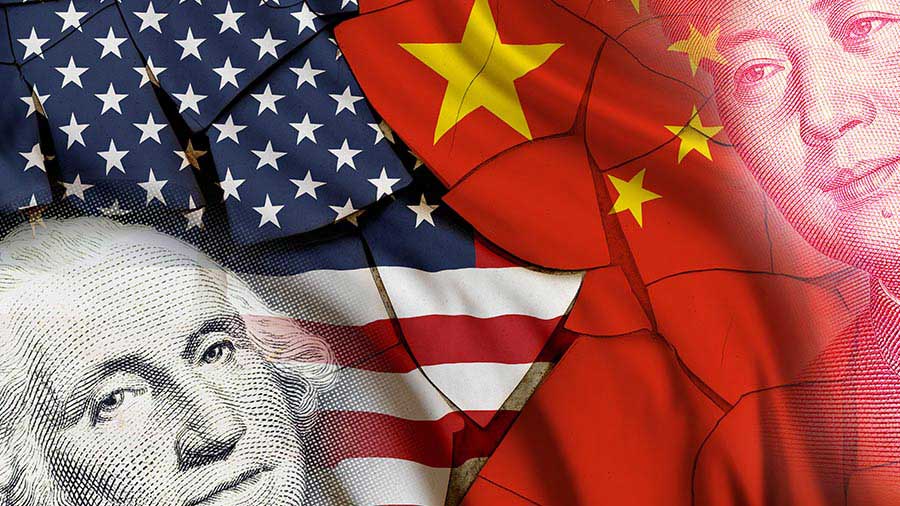
China's June auto data, released this week by the country's passenger vehicle association, tell a story of two very different economies operating under one flag. Passenger vehicle exports hit 877,000 units in June, up 82% year-over-year, with exports of new-energy (electric and hybrid) vehicles more than doubling. For the first half of the year, China's vehicle exports are up 71%, and NEV exports specifically are up 124%. That is not a modest trend — it's a country systematically building more cars than its own consumers want and finding buyers for the surplus everywhere from the U.K. to Brazil to Australia, often at meaningful discounts to sticker price.
Meanwhile, domestic retail vehicle sales in China fell 23% year-over-year in June, and broader retail sales figures came in soft as well. New-energy vehicle retail sales domestically were actually down nearly 10% year-over-year even as the export numbers soared. Manufacturers are reportedly drawing down inventory faster than a year ago as they lean harder into shipping cars abroad rather than accumulating unsold stock at home. That combination — weak internal demand, aggressive export pricing, and government-supported industrial capacity — is precisely the pattern that has drawn tariff responses from the U.S., European Union, and other trading partners over the past two years, and there is little in this data to suggest Beijing is backing off the strategy.
This matters well beyond the auto sector. It's a live illustration of why the trade friction between Washington and Beijing isn't going away regardless of which administration is in office: when a major exporting economy's domestic consumption doesn't keep pace with its industrial capacity, the surplus has to go somewhere, and it tends to show up as underpriced goods flooding into other countries' markets. That dynamic feeds directly into the tariff and trade-policy debates that Suffolk County voters will hear about this election cycle — whether the conversation is about electric vehicles, steel, solar panels, or the auto parts that flow through Long Island's own import-dependent small businesses.
Separately, the U.S. trade deficit data released this week showed a widening to $77.6 billion in May, slightly better than Wall Street expected but still a reminder that America's own import appetite remains robust even as domestic manufacturing output stays soft. Put the two data points together and you get a global trade picture where China exports its way around weak internal demand, and the U.S. imports its way around a domestic industrial base that hasn't fully re-shored. Neither dynamic is new, but both are intensifying, and both will keep showing up as flashpoints in whatever trade negotiations unfold over the second half of the year.
You Might Also Be Interested In
The FOMC Minutes Just Quietly Floated Rate Hikes. Nobody's Pricing That In.

Lowe's Bad Quarter and TJX's Good One Are Telling the Same Story

The Chip Industry's Buyback Boom Is a Warning Sign, Not a Victory Lap