

Existing Home Sales Slip Again, and the 'Rangebound' Excuse Is Wearing Thin
June sales fell for a second straight month even as mortgage applications held up, a sign that price and rate fatigue — not just a lack of listings — is now the real drag on housing
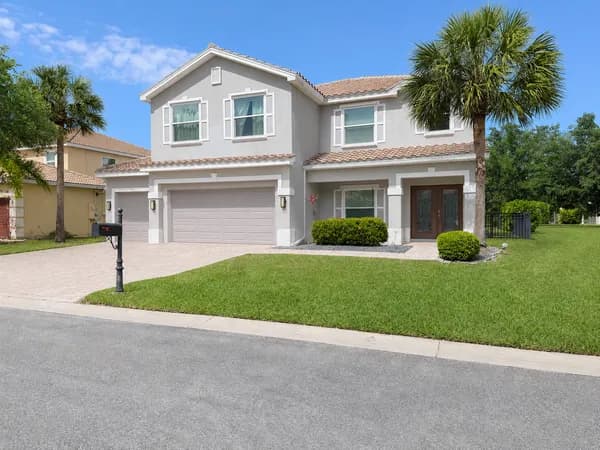
June existing home sales fell 2.4% from May to a seasonally adjusted annual rate of 4.09 million, missing forecasts that called for a modest gain. It was not a fluke of one region or one price tier: single-family sales dropped 2.4%, multi-family sales fell 2.7%, and every part of the country declined except the Northeast, the smallest of the four census regions and the one place that managed a sequential gain. For Long Island buyers who have watched the Northeast hold up better than the national numbers, that's a small mercy, but it's not a trend to build a purchase decision around.
The more interesting wrinkle is that this softness arrived despite mortgage purchase applications running comparatively strong. Normally you'd expect applications to lead sales lower before the closed-transaction data catches down. That they didn't move in lockstep this time suggests some deals are falling out between application and closing — buyers qualifying, shopping, and then balking, or losing the house to a stronger cash offer, or simply deciding the math doesn't pencil once they see the actual monthly payment. Inventory of single-family homes is up 6% year over year nationally, which should be giving buyers more leverage, yet sales are still sliding. That combination — more supply, softer demand — is usually the setup for price declines, but prices did the opposite: the median existing-home price accelerated to 1.8% year-over-year growth in June, actually faster than the 1.4% pace from a year earlier.
That's the real story for anyone shopping on the South Shore right now. Affordability has been eroding for about five months on the combined weight of rates and prices, and this month's data shows sellers are not yet capitulating on price even as the pool of willing buyers thins. It's a standoff, and standoffs in housing tend to resolve slowly, through declining transaction volume rather than through a visible price crash. Suffolk County's own market has largely tracked this pattern over the past year: listings sitting longer, price cuts becoming more common on the higher end, while modestly priced starter homes near the LIRR corridors still draw competitive bids because so few of them exist.
The mortgage-rate backdrop isn't offering relief. Long-term Treasury yields have drifted higher for weeks on a mix of sticky inflation expectations and, more recently, a fresh bout of Middle East-driven oil-price anxiety, and mortgage rates track those yields closely. A first-time buyer in Suffolk or Nassau financing a $600,000 purchase is now contending with a monthly payment that has barely budged from its multi-year highs, even though the home itself may have been sitting on the market for months. That's the affordability trap in miniature: rates too high to bring buyers off the sidelines in volume, prices too sticky to bring sellers off their number.
None of this points to a crash. Housing economists tracking the national data are still penciling in modest, low-single-digit growth for the broader economy into next year, and a market that is simply rangebound — neither surging nor collapsing — is, in some sense, the least newsworthy outcome possible. But rangebound is exactly the environment that punishes people trying to time a purchase around a rate cut that keeps getting pushed further out. If you are house hunting on the Island this summer, the data says: don't wait for a discount that isn't coming, and don't assume today's asking price is a ceiling — sellers are, for now, still setting the terms.
You Might Also Be Interested In

$40 Trillion Later, Washington Still Hasn't Learned to Balance a Budget
The FOMC Minutes Just Quietly Floated Rate Hikes. Nobody's Pricing That In.

Lowe's Bad Quarter and TJX's Good One Are Telling the Same Story