
Fed Minutes and Governor Waller Point Toward a December Rate Increase
Almost all officials at the October meeting expected further increases, and Governor Christopher Waller says a half-point move may be needed unless the Fed signals another hike for January
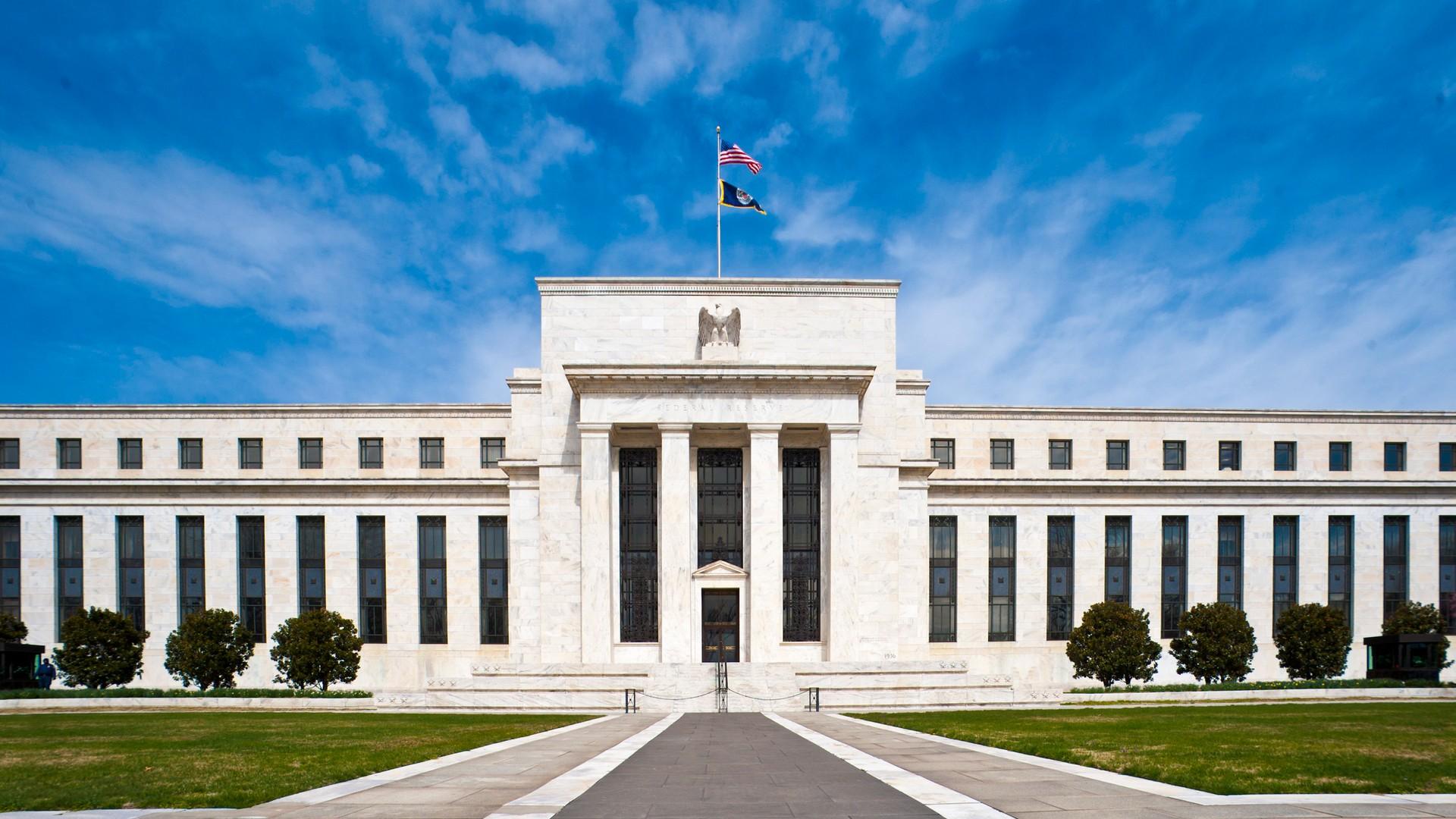
Federal Reserve officials spent Nov. 18 making the case for higher interest rates. Minutes of the policy committee's Oct. 27 and 28 meeting, released that afternoon, said "almost all participants judged" that further increases would likely be appropriate under their baseline outlooks. Hours earlier, Governor Christopher Waller said in a television interview that the central bank may need a half-point increase at its Dec. 8 and 9 meeting.
The committee's September increase was its first in over three years. In October it held its benchmark range at 3.75 to 4 percent on a 10 to 2 vote, and the two dissenters, Lisa Cook of the Board of Governors and Beth Hammack of the Cleveland Fed, wanted a quarter-point increase. The minutes show that some other participants also wanted to move in October, that a few officials who backed the hold called it a close call, and that a couple said an increase larger than a quarter point could be warranted in December if inflation data came in unfavorable. Since that meeting, consumer prices rose 0.4 percent in October and core prices, which exclude food and energy, rose 0.3 percent, each a tenth of a point above forecasts.
"You might need to, like, shock people," Waller said. He argued the Fed has to undo all three of its 2025 quarter-point cuts and may have to go further. A quarter-point move in December would be enough, in his view, only if the committee clearly signals another one in January. "If you're not going to signal this very clearly to markets you're going in January, my view is then you have to go 50 in December," he said. That approach relies on forward guidance, which Chair Kevin Warsh has opposed because it commits officials in advance.
Alberto Musalem, president of the St. Louis Fed, has suggested as many as four increases by the spring of 2027. John Williams, who heads the New York Fed, took a slower view on Nov. 17: "I don't think the situation calls for dramatic action." From outside the Fed, Treasury Secretary Scott Bessent argued on Nov. 13 that the Fed should avoid hiking into what he called an "energy supply shock" tied to the Iran war.
On Nov. 18 the two-year Treasury yield, which tracks expectations for Fed policy, edged higher, and the dollar touched a 19-month high. Gold fell close to 3 percent to its lowest level in more than a year. The five-year breakeven inflation rate, a market gauge of expected inflation, slipped to about 2.23 percent. Fed funds futures put the odds of a December move of a quarter point above 90 percent.
Many participants in the October meeting described the artificial intelligence buildout as "a material source of inflation risk." On financial stability, "most participants observed that AI-related debt had grown rapidly and that much of this growth had taken place through complex and opaque financing structures." Almost all of them discussed what would happen if returns on AI investment disappointed investors.
A majority of participants noted that financial conditions had tightened since September, citing higher mortgage rates, and many said costlier credit and choosier lenders had held back residential investment and small business borrowing. The Mortgage Bankers Association's average contract rate on a conforming 30-year fixed loan rose to 7.35 percent in the week ended Nov. 13, its highest in three weeks. Long Island buyers and homeowners hoping to refinance carry that rate into the December decision.
The December meeting will also produce the committee's quarterly economic projections. They will show how far the full committee expects to raise rates beyond the quarter point that markets have already priced in, and how much of Waller's urgency his colleagues share.
You Might Also Be Interested In
Nvidia Falls 14 Percent on an Unconfirmed Account of an SEC Accounting Review
October Housing Starts Rose on Apartment Construction as Permits and Pending Sales Fell

Mamdani's Grocery Math Leaves the City's Private Stores Out of the Equation