

Japan and the U.S. Just Defended the Yen Together — First Time Since 1998
A rare joint currency intervention signals central bankers view a weak yen as a bigger threat than they're letting on, with implications for global rates that reach well beyond Tokyo
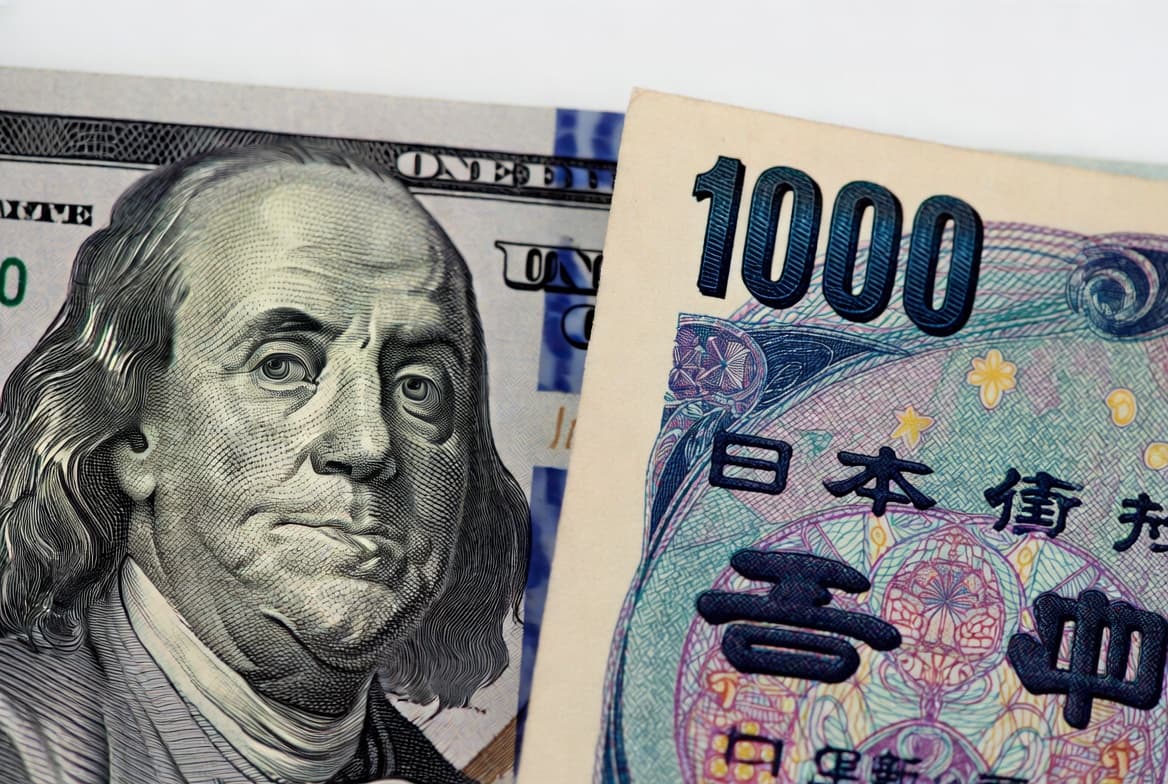
Currency interventions happen often enough that most go unremarked. This one is different. Japanese authorities moved to defend the yen against further weakness last week, and for the first time in nearly three decades, the United States appears to have participated alongside them. That detail — not the size of the trades themselves — is what has currency strategists across Wall Street rewriting their forecasts.
The backdrop is a currency that has been sliding for years under the weight of a persistent gap between Japanese and American interest rates. Japanese government bond yields have climbed to multi-decade highs of their own, but the Bank of Japan has been reluctant to hike aggressively, wary of the damage higher rates could do to a economy still carrying enormous public debt. That reluctance left intervention — selling dollars, buying yen — as increasingly the only tool left in Tokyo's box. What changed last week is that Washington apparently decided a yen sliding past the 160-per-dollar level was no longer just Japan's problem.
Why would the U.S. care about the yen? Because a collapsing yen has a way of exporting instability. It amplifies the incentive for the so-called yen carry trade — borrowing cheaply in yen to fund purchases of higher-yielding assets elsewhere, including U.S. equities and bonds — a trade that has a well-documented history of unwinding violently and dragging risk assets down with it when it does. It also puts pressure on other Asian currencies competing with Japanese exporters, risking a regional currency spiral. And it complicates the inflation picture in Japan, since a weaker yen makes imported energy and food more expensive, potentially forcing the Bank of Japan into a more aggressive hiking path than anyone wants, at a moment when Japanese debt servicing costs are already rising.
For American readers, the relevant question is what this means for the dollar and for U.S. rates. A joint intervention signals that both governments now view current currency levels as genuinely disruptive rather than merely uncomfortable. If it succeeds in stabilizing the yen without Japan being forced into rapid rate hikes, it removes one source of global market volatility that has been quietly building in the background — the kind of tail risk that shows up as a sudden spike in Treasury volatility or an abrupt selloff in momentum-heavy trades, the sort of thing that rattled markets just last week. If it fails, and the yen resumes its slide, expect louder alarm bells about carry-trade unwinds and their spillover into U.S. credit markets.
There's a domestic angle here too, even for a Long Island audience with no direct yen exposure. Foreign demand for U.S. Treasuries — a major source of financing for the federal deficit — is sensitive to currency dynamics. Japanese institutional investors are among the largest foreign holders of U.S. government debt, and a more stable yen makes it easier for them to keep buying at current yields without taking on unhedged currency risk. At a moment when the Treasury is issuing near-record volumes of debt to fund the deficit, keeping that channel of demand intact is not a minor technical detail — it's part of what keeps American borrowing costs, including mortgage rates, from climbing even further than they already have this year.
The practical lesson is that currency interventions rarely make headlines proportional to their importance, because the mechanics are opaque and the effects lag. But when two of the world's largest economies coordinate on defending a currency for the first time in a generation, it's a signal that policymakers see more risk building beneath the surface of global markets than the calm of daily equity trading might suggest. It's worth watching not because of what it does to exchange rates this week, but because of what it implies about how nervous central bankers have become about the plumbing connecting global bond markets, currency markets, and the leveraged trades that sit on top of both.
You Might Also Be Interested In
The Fed Hiked Rates Into an Oil Shock. Some Economists Think That's a Mistake.

When the AI Bosses Talk About Slowing Down, It Is Important to Understand Why, and What Is Coming

Washington's Fingerprints Are Now All Over Your Credit Score