
The Fed Hiked Rates Into an Oil Shock. Some Economists Think That's a Mistake.
Wednesday's quarter-point increase was the widely expected move, but the reasoning behind it — and the hawkish tone that followed — is drawing pushback from economists who say the Fed is tightening into the wrong kind of inflation.
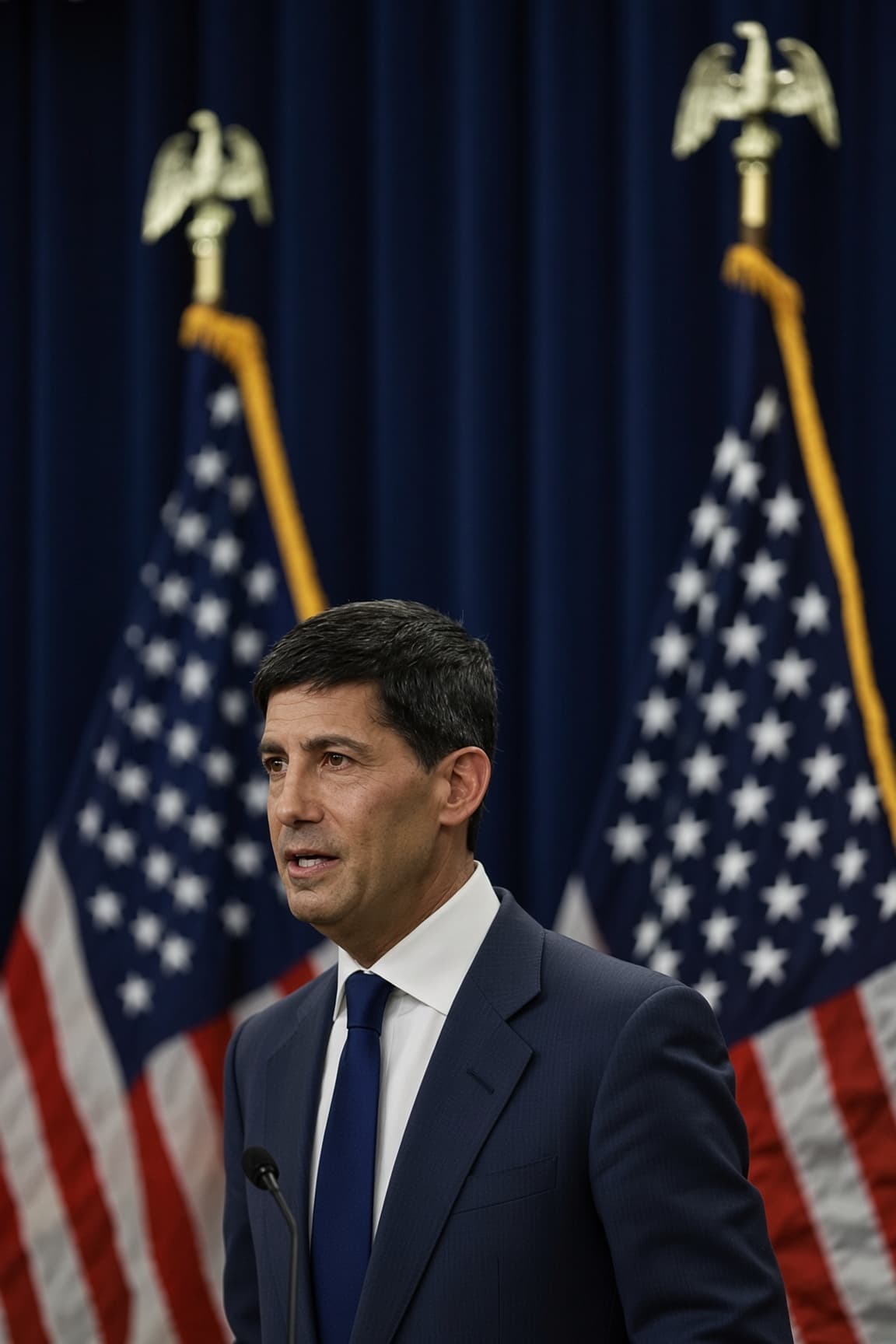
The Federal Reserve raised its benchmark rate a quarter point this week, to a range of 3.75-4.0 percent, and almost nobody on Wall Street was surprised by the number. What surprised people was the tone. New Fed Chair Kevin Warsh described the move as "removing a dose of accommodation," language that markets read as a signal the central bank isn't done, and bond traders spent the following two days pushing long-term yields to levels not seen in years.
Despite Warsh's claims, much of the recent run-up in headline inflation is traceable to a spike in oil prices tied to an attack on Middle East energy infrastructure, not to an economy running too hot on its own. A supply shock — a war disrupting a pipeline — pushes prices up the same way a tax increase would: it makes things more expensive without reflecting stronger underlying demand. Raising interest rates doesn't unclog a pipeline or reroute a tanker. It just makes it more expensive to borrow money in an economy that, by several measures, wasn't overheating to begin with.
The Fed's defenders make a different argument, and it isn't crazy. Jobless claims have been falling for weeks, average up double digits from a year ago, and initial claims data — a more reliable real-time signal than the oft-revised monthly payrolls report — suggest hiring is actually accelerating into year-end, concentrated in higher-paying goods-producing jobs. Retail sales have stayed resilient. Real consumer spending is tracking north of 3 percent annualized for the current quarter. If you squint, this doesn't look like an economy that needs coddling. It looks like one where a rate hike restores some credibility on inflation-fighting without doing much real damage, because financial conditions weren't very restrictive in the first place.
Both stories can be true at once, and that's the uncomfortable part. An oil shock can be pushing up the CPI print while a genuinely strong labor market gives the Fed cover to treat it like ordinary demand-driven inflation anyway. The dot plot released alongside the decision showed most officials expecting just one more hike this year, a notably less aggressive path than what futures markets had priced in beforehand — evidence the committee itself is split on how hard to lean into this.
For Long Island households, the transmission channel runs straight through borrowing costs. Ten-year Treasury yields, which anchor mortgage rates, have already pushed past 5 percent, and a Fed that signals more hikes ahead keeps upward pressure there regardless of what happens to oil. Suffolk County homebuyers already contending with high list prices and a homebuilder confidence index sitting at a one-year low are not going to get relief from financing costs anytime soon. Adjustable-rate borrowers and anyone with a home-equity line tied to prime will feel it directly and immediately.
There's also a political dimension worth naming plainly. President Trump has continued to voice support for Warsh publicly even as the rate path frustrates the administration's growth agenda, while other officials on the Fed board have drawn his criticism. A central bank chair increasingly willing to tighten into a supply shock, ahead of a midterm election, is not a small thing for voters to file away — not because it's partisan, but because it will shape mortgage rates, credit card APRs and business borrowing costs through next November regardless of who's in the White House.
Our readers should not assume the worst of the inflation scare is behind us just because gasoline prices have started easing off their peak. The Fed's own signaling suggests borrowing costs are more likely to grind higher than lower over the next several months, oil shock or not.
You Might Also Be Interested In

When the AI Bosses Talk About Slowing Down, It Is Important to Understand Why, and What Is Coming
Washington's Fingerprints Are Now All Over Your Credit Score

Top AI Chiefs Call for Voluntary Slowdown as OpenAI Shelves 2026 IPO