

The Fed Isn't Just Hiking Anymore — Wall Street Now Bets on Three or Four
What started the week as a debate over whether the Fed would raise rates once has hardened into wagers on a longer hiking campaign, and the bond market got there first
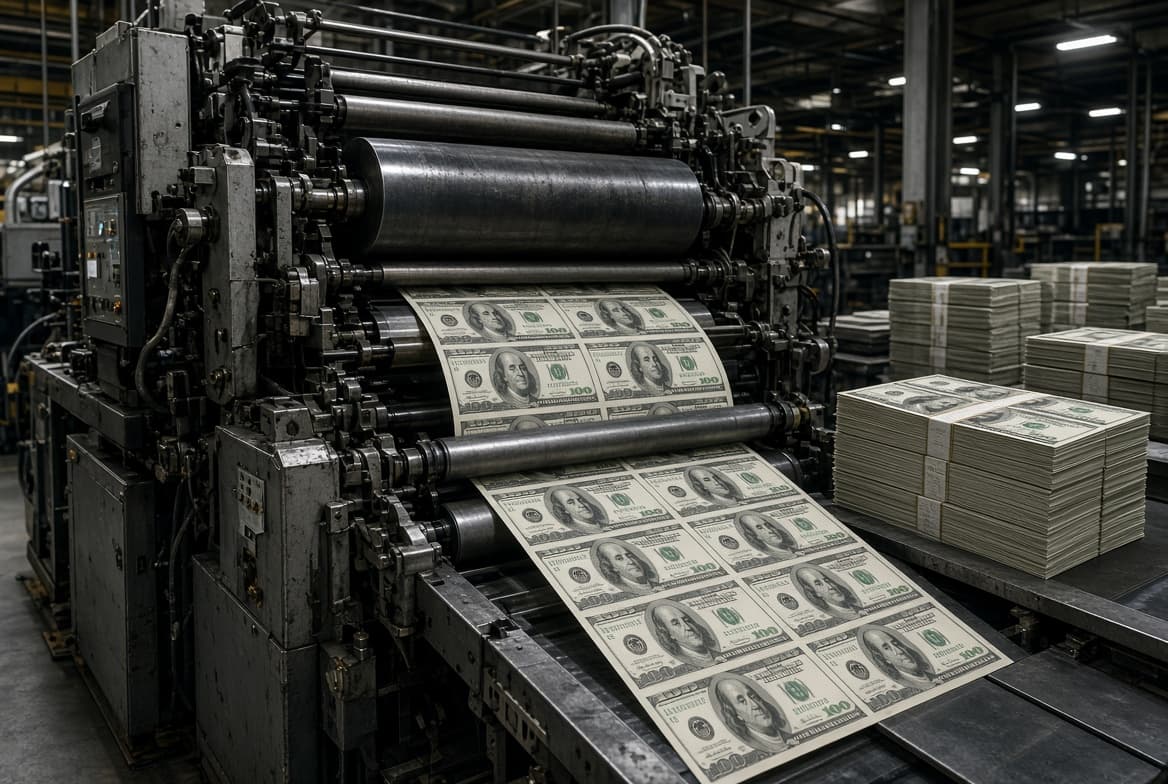
A week ago the question was whether the Fed would hike at all. By Friday, futures markets had moved past that argument entirely and were pricing something closer to 90% odds of a September increase — with desks across Wall Street now sketching out two, three, even four hikes before this cycle is done. That is not a typo. Six months ago the consensus case was rate cuts by year-end. The distance between those two forecasts, inside of two quarters, tells you how badly this economy has scrambled the models everyone was using.
The mechanics are straightforward enough even if the implications are not. Oil pushing back toward the century mark is feeding directly into headline inflation, and core prices are proving stickier than anyone forecast in the spring. Meanwhile nominal GDP growth is running north of 6% year over year, a pace that some economists now argue is simply too hot for a fed funds rate roughly 300 basis points below it to actually restrain. When money and credit are growing at a clip like that, one hike doesn't do much. It's the kind of gap that used to only get closed by a recession or a sustained hiking campaign, and right now nobody in Washington or on trading desks is betting on the former.
The bond market, as usual, moved faster than the Fed itself. Two-year Treasury yields posted their sharpest weekly climb in more than a year, and the entire curve has repriced to reflect a Fed that's now playing catch-up rather than leading. That's a meaningful reversal of the normal order of operations — usually the Fed signals, then the market follows. Here the market front-ran a Fed that had spent months talking about eventual cuts, and now the central bank has to decide whether to validate what traders have already priced in or risk looking behind the curve on inflation for a second time this cycle.
For Long Island, the transmission mechanism runs straight through the cost of borrowing. Mortgage rates track the 10-year, and the 10-year has been marching upward in sympathy with the short end. Suffolk County homebuyers who spent the summer hoping for relief are instead watching financing costs climb further from levels that were already historically restrictive. Small business owners renewing lines of credit face the same math. A Fed that hikes three or four times instead of holding steady doesn't just affect Manhattan trading floors — it shows up in the rate a Bay Shore contractor gets quoted on his truck loan.
There's a genuine intellectual debate happening beneath the headline number, and it's worth understanding rather than dismissing as noise. Some economists point out that the categories driving the inflation surprise — energy, and a narrow slice of services — don't necessarily reflect broad-based overheating. Others counter that loose fiscal policy, still-easy lending standards, and bank credit growing near 7% annualized are exactly the ingredients that turn a narrow inflation problem into a persistent one. Both camps agree on the diagnosis of what's happening; they disagree on how much of it is temporary.
What should voters and consumers take from this? Mostly that the story arc of 2026 — a Fed edging toward cuts, then reversing hard toward hikes, within the space of two quarters — is itself a signal. Forecasting error of that magnitude, from institutions with the best data and staff money can buy, is a reminder that nobody actually knows where rates land next. Rates are going up before they're going down, oil, inflation and persistent money printing are the reasons why, and anyone planning a major purchase this year should plan for financing costs that stay elevated longer than the spring's optimism suggested.
You Might Also Be Interested In

SpaceX and Tesla Boards Have Committees Studying a Merger, Musk Says, but No Deal Is Set

Musk Says SpaceX Closed a Starlink 'Loophole' as Ukraine Reports Service Restored
Micron Needs Power Albany Is Rationing