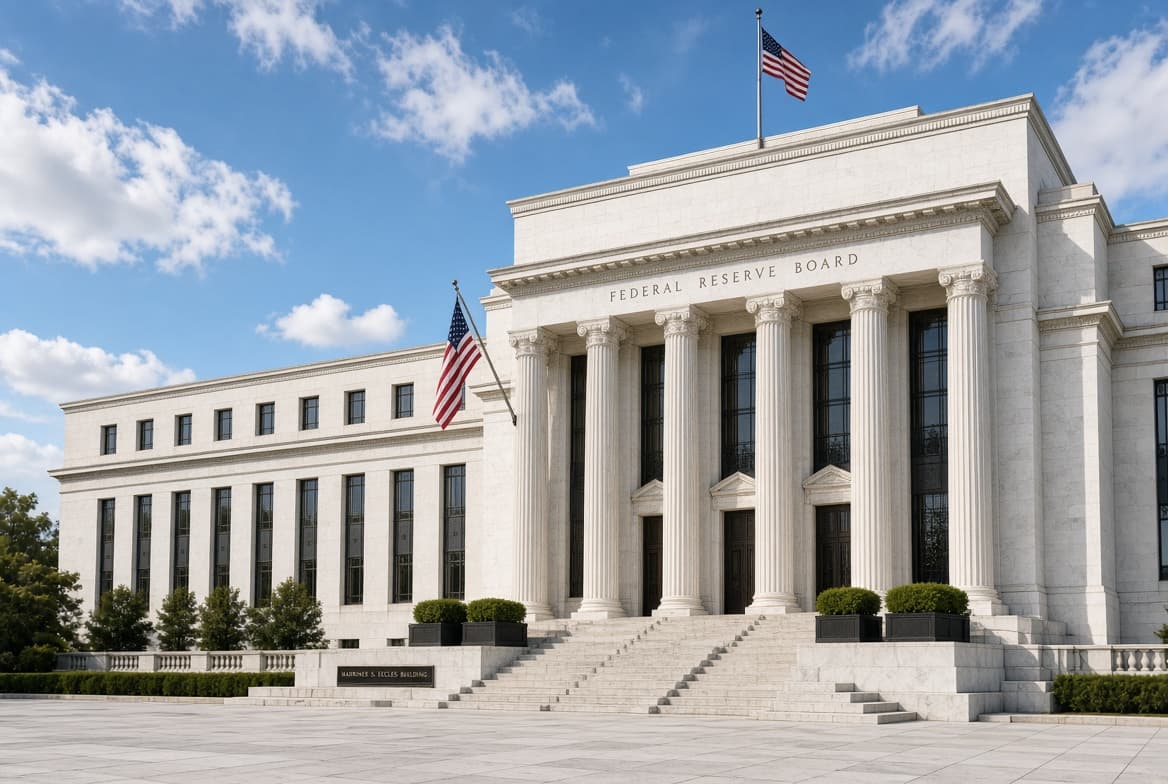

The Gulf War Just Got a New Battlefield, and It's a Shipping Lane You've Never Heard Of
Houthi threats against Red Sea shipping near Bab el-Mandeb are turning a single chokepoint crisis at the Strait of Hormuz into a two-front problem for global energy markets
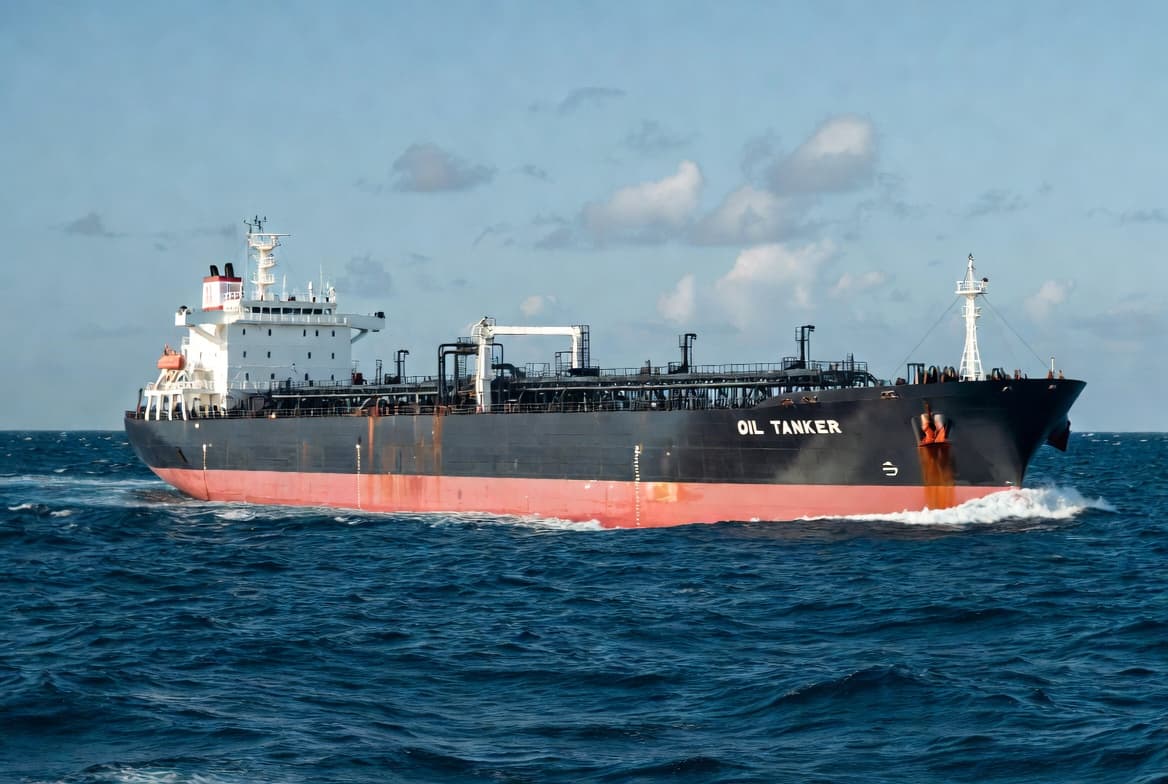
Nine days ago, oil's breakout above $90 a barrel was a Hormuz story: an escalating shadow war with Iran squeezing the world's most important oil chokepoint. This week, the story got more complicated. Houthi forces have signaled they intend to disrupt shipping bound for Saudi Arabia through the Bab el-Mandeb strait at the mouth of the Red Sea — historically the fallback route traders and shippers use when Hormuz gets dangerous. Diplomacy talk, meanwhile, has gone quiet; Washington's own top diplomat said this week that Iran isn't negotiating in good faith, and strikes have continued into a second week with no clear off-ramp.
The reason this is a distinct story from "oil is expensive because of a war" is the two-chokepoint dynamic itself. Global energy shipping has always had redundancy built in — if one route is compromised, cargo reroutes through another, at a cost, but it moves. Hormuz and the Red Sea are the two arteries that matter most for Gulf crude and, increasingly, for European natural gas flows. When both are simultaneously impaired, there is no cheap detour left. Ships either pay dramatically higher insurance premiums and take the risk, or they sail the long way around Africa, adding weeks to transit times and meaningfully more cost to every barrel and every ton of LNG.
That cost shows up in places most people don't think to look. European natural gas prices are up sharply over the past month, a direct result of the same chokepoint anxiety, and that filters into the price of everything Europe manufactures and exports — plastics, fertilizer, chemicals used in home goods and packaging sold at retailers here on Long Island. Fertilizer costs feed into food prices at a lag of months, not days, which means grocery bills already strained by tariff-driven price pass-through could see a second wave of pressure heading into the fall, separate from and additive to whatever gasoline is doing at the pump.
For Suffolk County specifically, the more immediate transmission is still the price at the pump and home heating oil, which remains disproportionately used across the East End and North Fork relative to the rest of the state. A sustained run in crude toward $95 and beyond — which is where Brent traded this week for the first time since June — pushes heating oil contracts higher well before winter arrives, and Long Island households locking in pre-season fuel contracts this summer are effectively pricing in geopolitical risk they have no control over.
There is a diplomatic wrinkle worth watching, too: several regional players — Pakistan, Qatar, Oman among them — are reportedly pushing a short pause in the fighting, and Washington says it remains open to talks. Markets have been quick to celebrate similar de-escalation signals before, only to see them evaporate within days. The lesson from nine days of this conflict is that headlines about diplomacy move oil futures faster than they move the actual war, and traders have started discounting optimistic headlines accordingly — which is itself a sign of how fragile confidence in a durable ceasefire has become.
What should voters take from this? Energy security is not an abstraction debated only in Washington policy circles; it is now actively determining what Long Islanders pay to drive to work and heat their homes, with a lag measured in weeks rather than months. Whatever one's view of the underlying conflict, the economic transmission mechanism is now running through two chokepoints instead of one, and that doubles the odds that any given week brings unwelcome news at the pump rather than relief.
You Might Also Be Interested In

The Decision That Matters Most: Why Asset Allocation Drives Everything Else

Burner Prudenti: Business Succession Planning: Protecting What You’ve Built

OpenAI Says Its New Model Might Be AGI. Wall Street Is Already Asking Who Gets Hurt.