

The Jobs Report Was Great News, and Great News Is the Problem
August payrolls blew past every forecast — which is exactly why the Fed's rate-hold hopes just got shakier
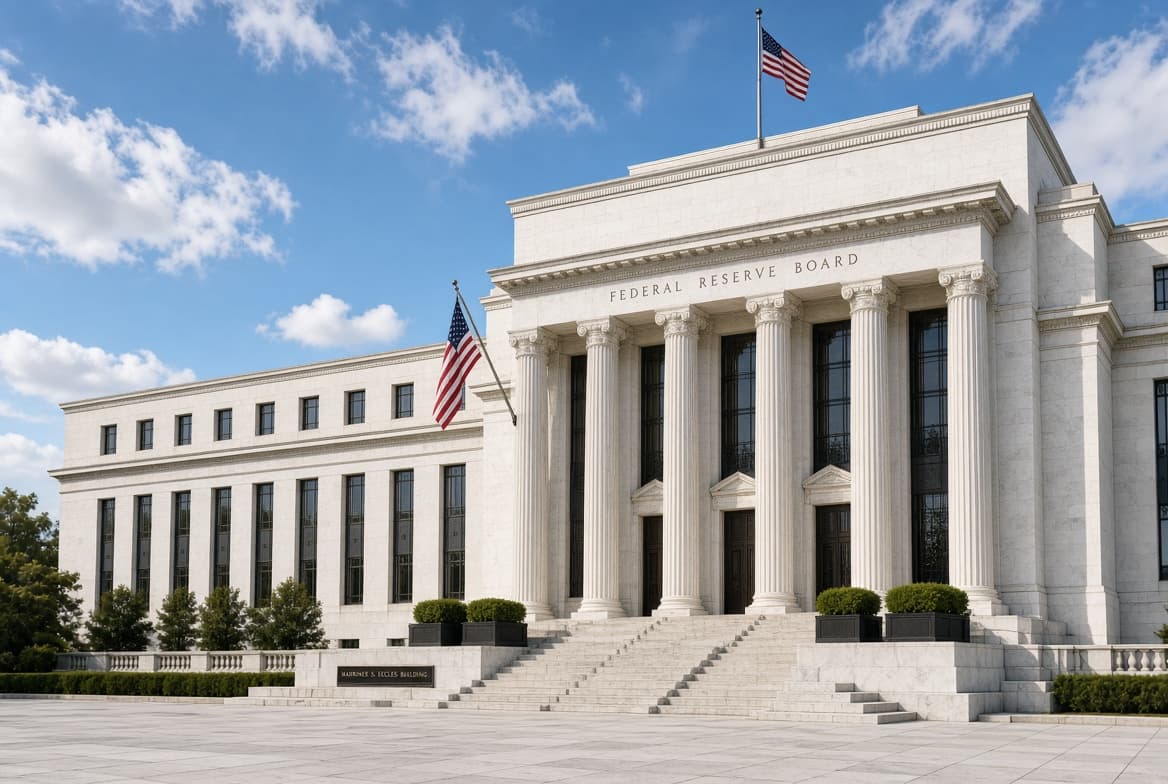
For months the working theory on Wall Street was simple: the labor market was cooling, the Fed would notice, and borrowing costs would ease by fall. Friday's jobs report scrambled that story. Employers added 162,000 positions in August against a consensus guess of roughly 55,000, and revisions added another 55,000 jobs to the two prior months. The unemployment rate ticked up slightly to 4.1%, but that was driven almost entirely by more people entering the labor force to look for work, not by layoffs — generally read as a sign of underlying strength, not weakness.
This report matters more than a typical data point because of where the economy sits right now. Growth is running hot, nominal GDP is tracking above 6%, and the federal government keeps issuing debt at a pace that's already pushed long Treasury yields to their highest sustained levels in two decades. Add a labor market that refuses to soften and you get a Federal Reserve with less cover to cut rates, and a live debate — not a settled one — about whether the September meeting brings a hold or, in a scenario few would have entertained a month ago, an actual hike.
The internals of the report tell a more layered story than the headline number. Blue-collar hiring is rebounding, with construction adding jobs for a third straight month, driven by demand for the kind of electrical and mechanical buildout that AI data centers require. Meanwhile white-collar hiring continues to muddle along, weighed down not by layoffs but by employers simply not rehiring. It's a labor market bifurcating by collar color, echoing the same income-based sorting showing up in restaurant spending and grocery aisles. One columnist joked that we're watching the economy dig its own grave, one construction job and one shrinking corporate headcount at a time — the physical buildout booms while the desk jobs quietly evaporate.
Wage growth, notably, stayed cool: up 0.3% for the month and 3.1% over the year, in line with expectations and not the kind of number that screams overheating. That's the one thread of comfort for anyone hoping for a hold. But the Fed's own officials have been split publicly on this question, and the debate now shifts to next week's inflation data, which most traders view as the real tie-breaker for the September decision. A hot CPI print paired with this jobs number would make the case for a hike far harder to wave away.
For Suffolk County homebuyers, the stakes are not abstract. Mortgage rates track the 10-year Treasury, and the 10-year has been sitting stubbornly elevated for weeks, driven as much by deficit-fueled debt issuance and AI-era borrowing as by anything the Fed does directly. A hold keeps things merely uncomfortable; a hike would push already-strained affordability further out of reach in a market where inventory on the South Shore remains tight and price cuts have been rare. Anyone who was banking on a rate reprieve this fall to finally make a move should treat that as a hope, not a plan.
There's also a quieter housing-finance story developing alongside all this. The Federal Housing Finance Agency has been pushing changes to how mortgage lenders pull and price credit reports, including a directive that all lenders be allowed to use VantageScore rather than requiring the traditional FICO-based tri-merge pull. The stated goal is lowering borrowing costs by injecting competition into a credit-scoring system that's had little of it. Whether that translates into real savings for a buyer in Babylon or Bay Shore remains to be seen, but it's a reminder that not every lever affecting your mortgage runs through the Fed.
Good economic news and good news for borrowers have decoupled. A strong jobs market is what everyone says they want, and it is, in the aggregate, better than the alternative. But strength in aggregate doesn't help a household trying to close on a house before rates move again. The next two weeks — one inflation report, one Fed decision — will do more to determine mortgage costs into the fall than anything that's happened since spring.
You Might Also Be Interested In

CoreWeave's Falling Stock Shows Where the AI Buildout's Financing Gets Expensive

Washington Eased Up on Russian Energy. Oil Rose Anyway.

Amazon's Cloud Boss Just Said Computing Power Is Sold Out Through 2028