
Before You Vote: What Every Job on Your Ballot Actually Does
A Simple Cheat Sheet to Understand the Jobs These People Are Applying For
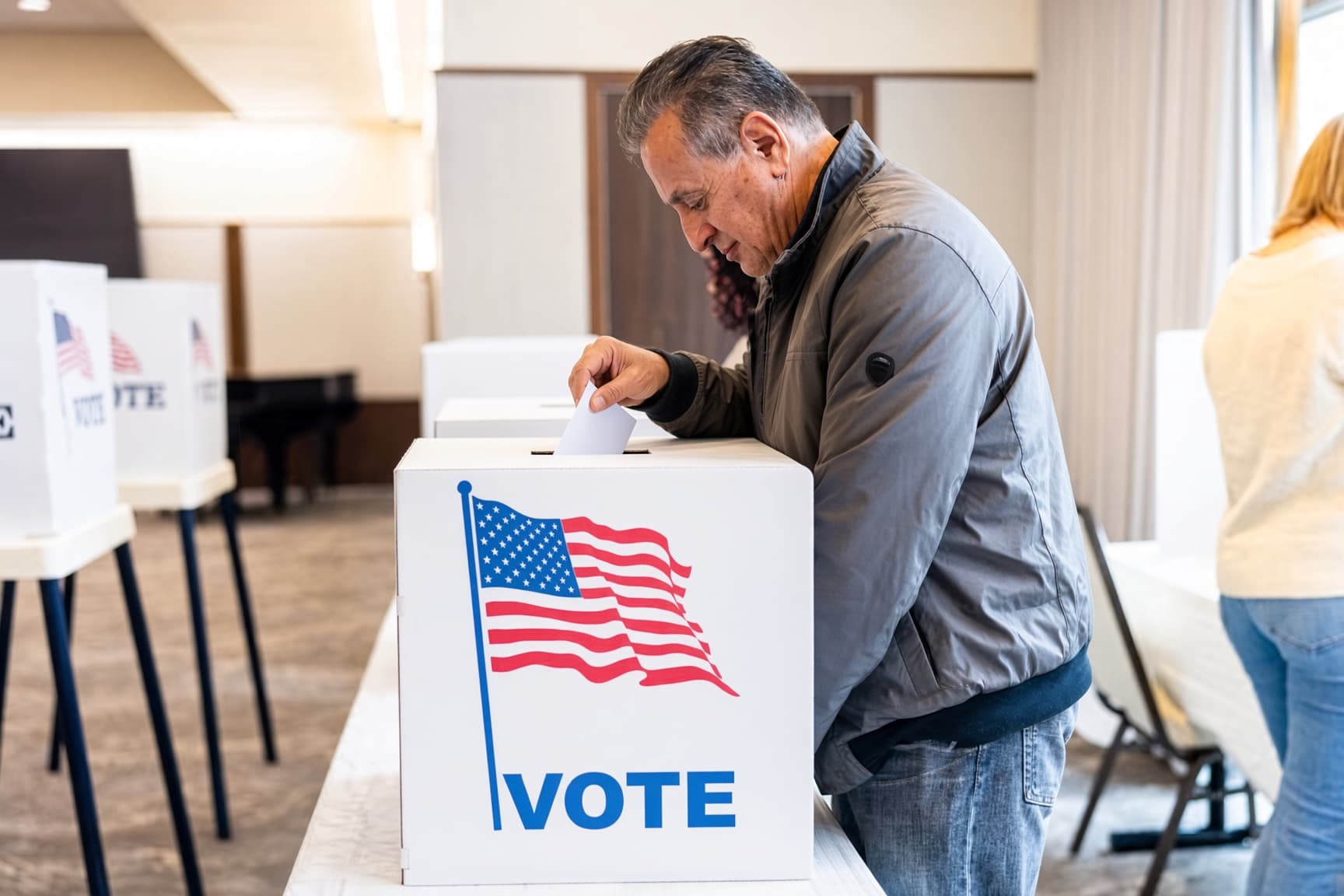
Voting is a sacred duty. It is the one day the government works for you in the most literal sense — the day you decide who gets hired. And at this particular moment in our country’s history, the people we choose to fill these seats carry profound implications for our daily lives. Look no further than Albany, where Governor Hochul’s policies on energy, immigration, and crime have fundamentally altered how this state functions and how each of us experiences it — what we pay to heat our homes, who our communities are asked to absorb, and how safe we feel on our own streets. Those outcomes were not accidents of history. They were hiring decisions, made at the ballot box.
Yet the average working-class American is busy with the things that matter most — family and work — and rarely has the time to follow politics in the way a full ballot demands. We all have a general sense of what the president does, and even what the governor does. But what does the comptroller do? What does a state assemblyman actually do all day? There is no shame in not knowing. Most people don’t.
So consider this a simple cheat sheet. Read it, keep it, bring it with you on November 3. When you look down the ballot at a list of names, you’ll know what job each of them is applying for. Because at the end of the day, WE THE PEOPLE are hiring these individuals to work for us.
New York State Governor
The governor is the chief executive of New York — the boss of the entire state government and the roughly 180,000 people who work for it, from the DMV to the State Police to the agencies that regulate your utilities. New York gives its governor unusually strong budget powers: the governor writes the first draft of a budget that tops $230 billion, and the Legislature largely negotiates from it. The governor signs or vetoes every law, appoints agency heads and judges, and commands the National Guard in emergencies. When your electric bill climbs because of state energy mandates, or bail policy changes who is back on the street the next morning, the trail usually leads to this office. Four-year term.
New York State Comptroller
The comptroller is the state’s independent financial watchdog — the auditor who checks whether everyone else on this list is spending your money honestly and competently. The office pays the state’s bills, reviews contracts before money goes out the door, and audits everything from school districts to town governments, publishing what it finds. The comptroller is also the sole trustee of the state pension fund — more than a quarter-trillion dollars that pays the retirements of teachers, police officers, and public workers — meaning one elected official safeguards the retirement security of over a million New Yorkers. The office also holds billions in unclaimed funds (old bank accounts, deposits, refunds); there’s a fair chance some of it is yours. Four-year term.
New York State Attorney General
The attorney general is “the people’s lawyer” — the state’s top law-enforcement officer for everything short of most street crime, which belongs to county district attorneys. When a contractor takes your deposit and vanishes, a company deceives consumers, a landlord breaks the law, or a charity misuses donations, this is the office with the power to investigate, sue, and shut it down. The AG defends state laws in court, polices Medicaid fraud, and can prosecute certain crimes statewide — including, as Suffolk readers saw this month, stepping in as special prosecutor when a local case needs independent hands. Four-year term.
U.S. Congressman (House of Representatives)
This is your voice in Washington — one of 435 members of the House, the chamber the founders designed to sit closest to the people, which is why the whole House stands for election every two years. All federal taxing and spending starts in the House: your income-tax rates, Social Security and Medicare, defense, and the federal dollars that flow back to Long Island for roads, harbors, and storm recovery. Just as important is what the office does quietly: a congressman’s district staff untangles constituents’ problems with federal agencies — a stalled Social Security claim, a VA benefit, a passport emergency. One of three Suffolk-area House seats touches nearly every reader of this paper. Two-year term.
State Senate
Your state senator is one of 63 legislators in Albany’s upper chamber. Together with the Assembly, the Senate writes the laws that govern daily life in New York far more directly than Washington does: criminal statutes and bail rules, school funding, state income and property-tax policy, rent laws, and hunting, fishing, and business regulations. The Senate negotiates the state budget with the governor and confirms key appointments. A senator’s district office is also a working tool for residents — the place to call when a state agency won’t answer. Two-year term, so every seat is on the ballot.
State Assembly
The Assembly is the Legislature’s other chamber — 150 members, each representing a smaller patch of the map than a senator, which keeps them closer to their neighborhoods. Every bill must pass both chambers before the governor can sign it, so your assembly member is half of your lever on every state law and on the budget that funds your schools. In practice, the Assembly office is where regular people get help with unemployment claims, professional licenses, and state red tape. Because the majority party in each chamber controls what even comes up for a vote, who you send matters as much as what they promise. Two-year term; all 150 seats are up.
Suffolk County Comptroller
What the state comptroller is to Albany, the county comptroller is to Hauppauge: the independent set of eyes on a county government that spends roughly $4 billion a year of your property and sales taxes. The office audits county departments and contractors, runs payroll, manages the county’s cash and borrowing, and collects delinquent property taxes. When waste, padded contracts, or sloppy bookkeeping cost taxpayers money, this is the office whose job is to find it and say so publicly. Four-year term, capped at 12 consecutive years.
Suffolk County Clerk
The least political job on your ballot may be the one that guards your single biggest asset. The county clerk is the official record-keeper: every deed, mortgage, and lien in Suffolk County lives in this office, along with court files for the county’s major courts, business name certificates, and other legal records. That paper trail is what proves you own your home — and in an era of deed theft and title fraud, the clerk’s safeguards are the difference between a scare and a catastrophe. The office serves thousands of residents directly every week, from homebuyers to small businesses filing a DBA. Four-year term, capped at 12 consecutive years.
You Might Also Be Interested In

Lalota’s Hypocrisy Leaves NY-1 Without a Candidate Worth Endorsing

Federal Housing Failures Shadow Gillen’s Reelection Bid

Murray’s Experience Makes a Difference in Albany