Federal Judge Wants Proof Before Ending Suffolk Police Hiring Decree
The Justice Department and the county say the work is done, but their short filing left the judge wanting evidence
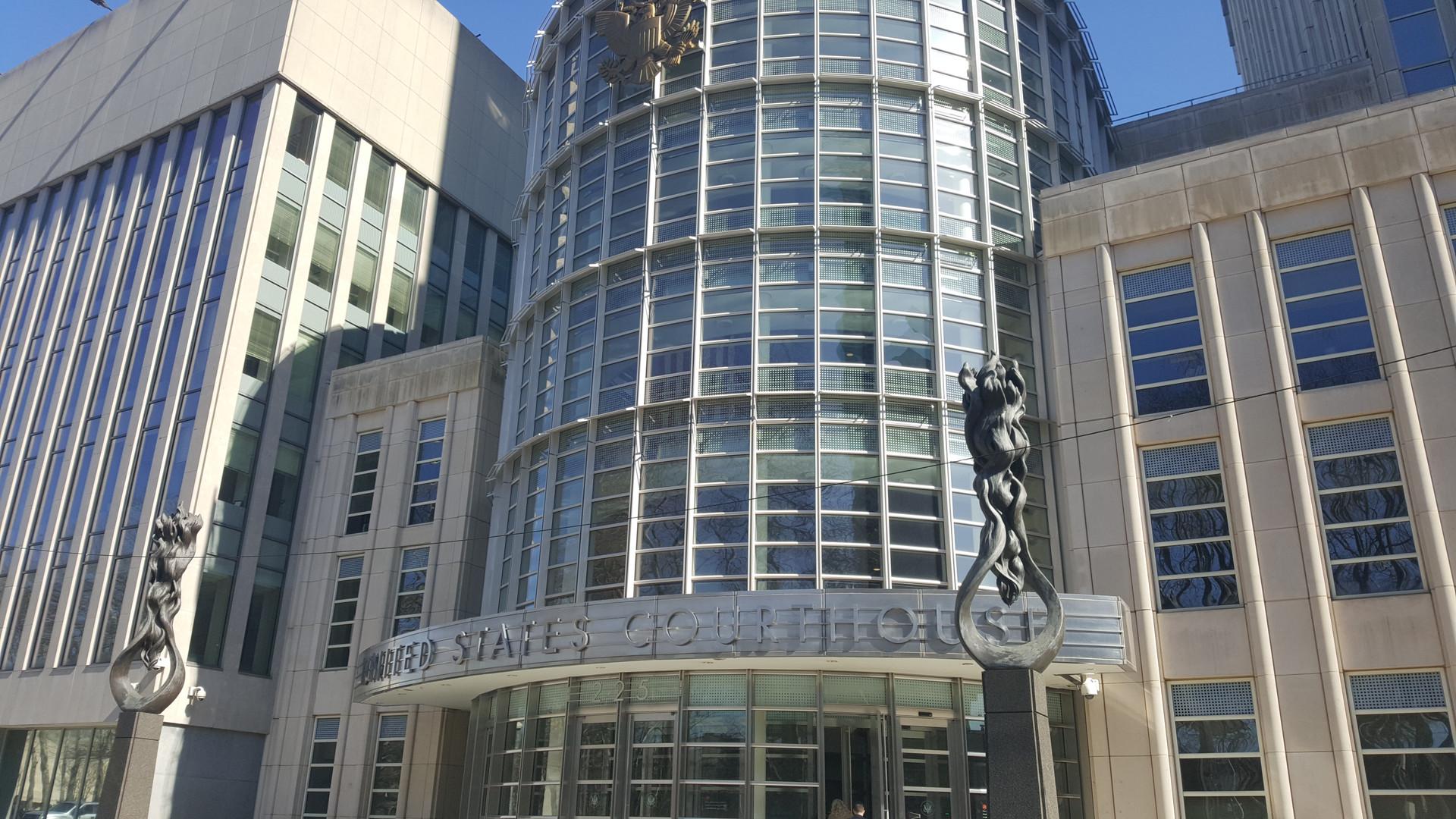
A federal judge in Brooklyn has refused, for now, to end the 40-year-old consent decree over Suffolk County police hiring, ruling that the county and the Justice Department have not shown that the county lived up to it.
U.S. District Judge Hector Gonzalez, who took over the case this month, issued the order Tuesday in answer to a joint request the Civil Rights Division and the county filed Nov. 9 to dissolve the decree and close the case. The Patrolmen's Benevolent Association, which helped negotiate the 1986 settlement, also signed. With the government that sued and the county it sued asking for the same result, the only party left to persuade is the court.
Their two-page request said the county had answered federal requests for information in good faith and had provided all the individual relief it owed. It added that federal lawyers had reviewed the department's methods for entry-level hiring, sergeant promotions, detective assignments and transfers without objection, and that a recruitment program was in place. Gonzalez found that summary too thin for a case involving "more than 40 years of assessment, evaluation, and analysis," and wrote that the court must see what the county actually did to carry out the decree.
The judge directed both sides to describe the department's current hiring rules and selection criteria and the changes made to meet federal testing guidelines. They must also summarize the reports and data showing how the department dealt with standards that fell harder on candidates by race or sex, including the written entrance exam. The order further calls for details of the relief provided to women and to Black and Hispanic applicants, along with records of the recruitment program the decree required. The parties have until Dec. 11 to propose a schedule for that filing.
The Justice Department sued the county in 1983, alleging a pattern of discrimination against women and Black and Hispanic applicants. The 1983 complaint alleged that fewer than 60 of roughly 2,600 sworn officers were Black or Hispanic at the time and only about two dozen were women. The county denied discriminating but settled, conceding that the gap between its force and the available labor pool, along with some of its hiring criteria, might lead a court to infer discrimination.
The 1984 police exam sat at the heart of the settlement, and the county acknowledged in the decree that the test weighed heavily against women and Black and Hispanic candidates, and that it lacked proof the test had been properly validated. Short of officers, the county was allowed to hire as many as 200 from that list on the condition that it offer jobs, back pay and seniority to as many as 51 candidates the old test had shut out. The county hired a testing firm to build a replacement, set aside about half a million dollars for back pay and agreed to advertise in Black and Hispanic media and recruit across Nassau and Suffolk as well as Brooklyn and Queens.
The decree let the county seek its release after five years if it had complied in all material respects, and this month's filing says it has been under active federal monitoring since the day it was entered. Over those decades the county gave the replacement exam in 1988, 1992 and 1996, threw out the 1996 results after widespread cheating, and in 1999 adopted a new test that federal lawyers reviewed and endorsed.
Another Suffolk decree met a quicker end last month, when U.S. District Judge Eric Komitee on Oct. 20 dissolved a 1984 consent decree over the treatment of women working as correction officers in the sheriff's office. The county had backed that motion with a declaration and exhibits, including combined exam lists, its antidiscrimination policy and a plan to recruit women, and no one opposed it. The Justice Department had already ended a separate 2014 agreement on bias-free policing with the department in August 2025, finding it in sustained substantial compliance.
Lawyers for the Justice Department, the county and the Patrolmen's Benevolent Association must still assemble the hiring rules, testing data, individual relief and recruitment records the court has demanded. The 1986 decree remains in force until that filing is made and the court finds the county has complied in all material respects.
You Might Also Be Interested In

State Grant Will Reopen a Closed Calverton Soccer Field

State Moves to Reopen Western Long Island Sound to Commercial Striped Bass Fishing

Suffolk Legislature Votes to Open Peconic and Gardiner's Bays to Seaweed Farming