New State Law Requires Public Listings Unless Sellers Sign Off in Writing
Agents who keep a listing private will need a signed state form warning owners it could cost them offers
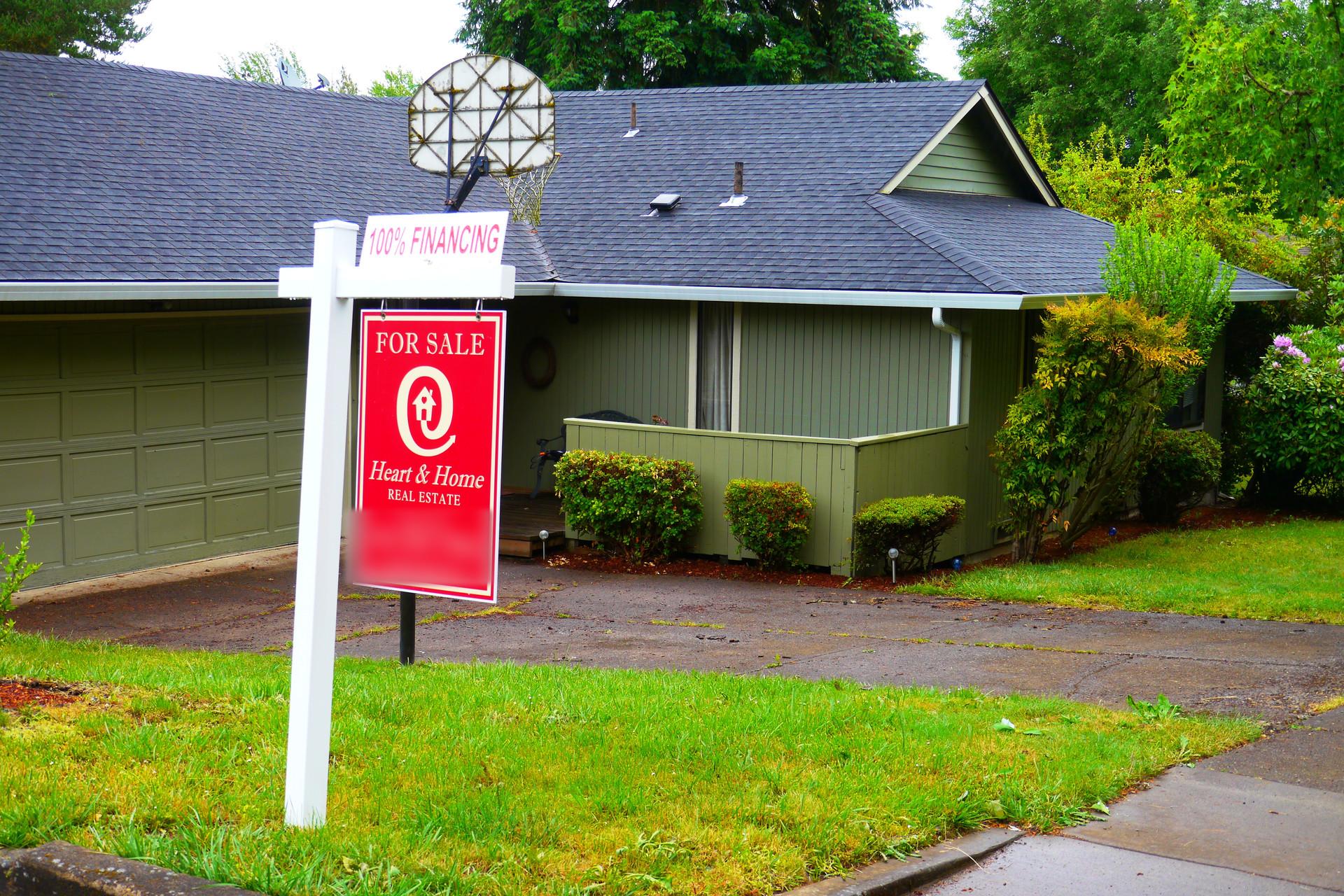
New York real estate agents will soon have to market homes for sale or rent where every buyer and agent can see them, unless the owner signs a state form warning that a private listing could mean fewer offers.
Gov. Kathy Hochul signed the "Fair and Transparent Real Estate Listings Act" on Nov. 20. The rules take effect 180 days after signing, which puts the start in May 2027. The Assembly passed the bill 125 to 2 in late May, and the Senate approved it days later.
The law takes aim at private listings, homes a brokerage shops first to its own agents and clients before, or instead of, putting them on a shared database. Under the new rules, an agent working for a seller or landlord must post the property on a multiple listing service or on a free public website. The agent must also share information with agents for buyers and tenants, answer their questions and let their clients see the home. A listing an agent markets through private or members-only channels must also be advertised publicly at the same time.
Assemblywoman Michaelle Solages, the bill's Assembly sponsor, wrote in her memo backing the measure that private networks let brokerages quietly shop a home to their own contacts, out of sight of other brokerages and the wider pool of buyers. When those homes later appear publicly as "coming soon," she wrote, buyers cannot see how long the property sat unsold or whether the price was cut. Sen. Nathalia Fernandez introduced the Senate version.
Owners can still sell quietly, but a seller or landlord who wants a private sale must sign a state disclosure form, headed "This is not a contract," before or when signing the listing agreement. The form warns that agents for many buyers may never learn the home is available, that the owner could get fewer offers and possibly a lower price, and that the listing cannot appear on listing websites, social media, email blasts or syndicated feeds. It also reminds owners that housing discrimination remains illegal. Agents cannot alter or drop the required wording, must keep the signed form for three years and must hand it to the Department of State on request.
Agents who break the rules face fines of up to $5,000, up from the $2,000 cap in current law, or suspension or loss of their licenses. Half of any fine goes to the state's fund for fighting housing discrimination. Sellers are not required to hold open houses, and agents who act in good faith have a defense against complaints unless they made a misleading statement.
The law arrives amid a dispute on Long Island, where OneKey MLS, the Farmingdale-based listing service, rejected a demand from the brokerage Compass in October to stop penalizing agents who advertise homes publicly while keeping them off its shared database. "A truly competitive real estate marketplace relies on shared, cooperative infrastructure, not fragmented, private networks," OneKey chief executive Richard Haggerty said at the time. OneKey cited a Zillow report that New York sellers who sold off the open market gave up a median of about $14,000 on each sale. It then joined a federal lawsuit against Compass on Oct. 27, asking a court to declare its listing-sharing rules lawful.
NYSAR, the state Realtors association, praised the law, saying it strikes "an appropriate balance between promoting transparency and protecting consumer choice." A Compass spokesperson said in an emailed statement that the law leaves homeowners free to choose how to market their homes and that homes in the company's See It First early-access program comply. Neither Rep. Andrew Garbarino nor Rep. Nick LaLota has commented publicly on the law, which is state legislation.
The Department of State is directed to write the regulations and post the official opt-out form on its website, with the rules due in place by the start date in May. The statute defines public marketing as a platform that is free to use and open to the public and to any licensed agent, the test Compass says its early-access program passes.
You Might Also Be Interested In
Brightwaters Let a Deputy Clerk Sign Checks With the Mayor's Stamp, State Auditors Find
Water Authority Turns to Software to Find Pipes Likely to Burst Before They Fail

Suffolk Legislature Honors Veterans of the Year From All 18 Districts