Water Authority Turns to Software to Find Pipes Likely to Burst Before They Fail
Suffolk's water supplier will test a forecasting program costing about $134,000 on two years of its own break records first
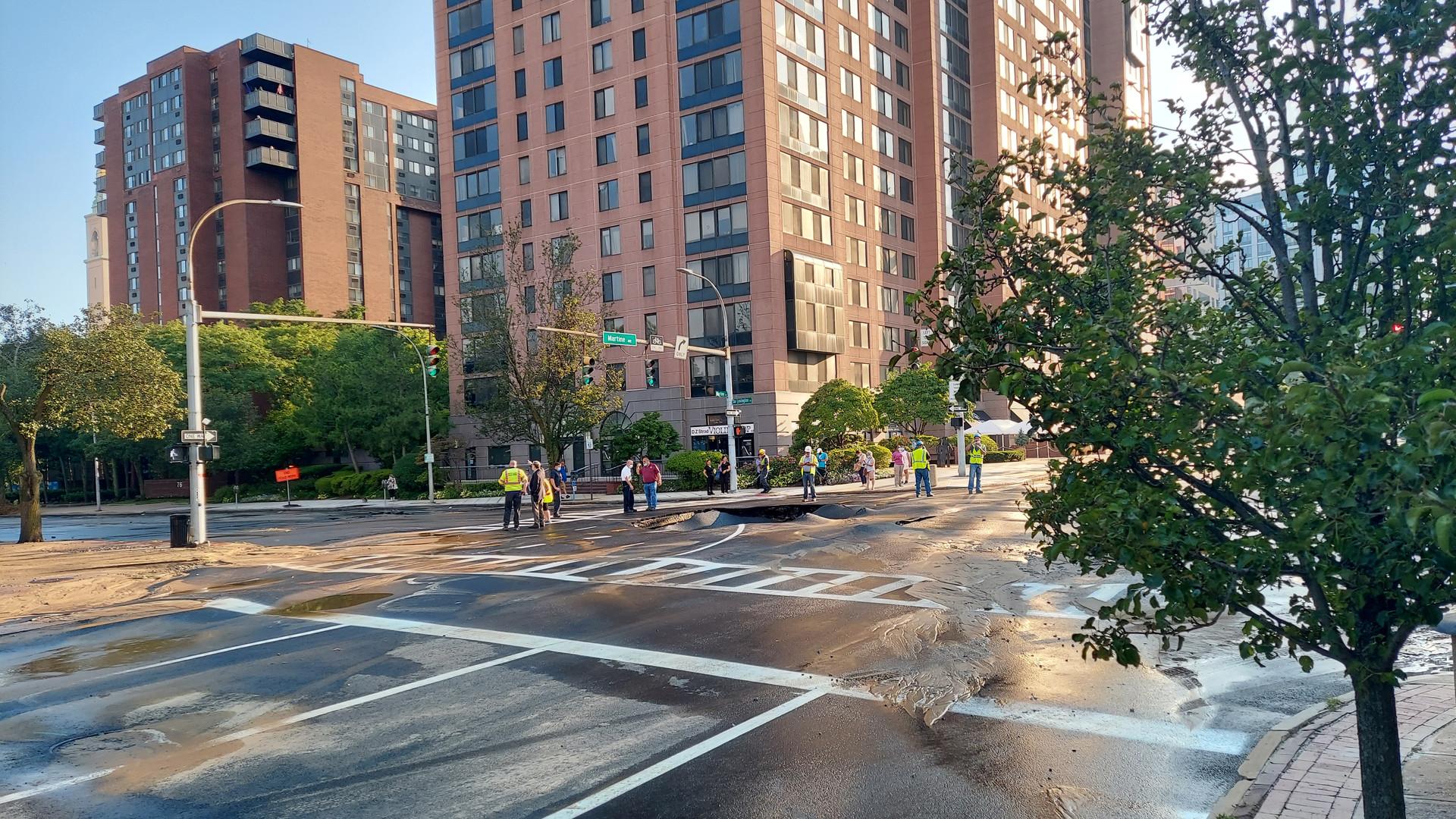
The Suffolk County Water Authority will use machine learning software to predict which water mains are most likely to break, aiming to cut the surprise shutoffs and torn-up streets that follow its more than 500 breaks a year.
The authority's board approved a two-year contract worth about $134,000 with BlueConduit at its Nov. 19 meeting, choosing the lowest of four bids. The price covers a $12,500 start-up fee and about $61,000 a year, and a 90-day free trial comes with it. Board materials said the trial is meant to confirm the model's accuracy and how the software fits the authority's workflow before a full financial commitment. The analytics firm is based in Ann Arbor, Mich. It grew out of University of Michigan research after the Flint water crisis and has built predictions for water systems since 2016, including lead pipe forecasts for Detroit and main-break forecasts for the water and sewer system in Mobile, Ala.
Each emergency repair runs tens of thousands of dollars, the authority said, on top of the service interruptions, road damage and detours a break causes. The authority serves about 1.2 million people and has no power to tax. Shifting money from emergency repairs to planned work, the authority said, will help keep water rates low.
The authority's system includes about 6,100 miles of main, and its replacement program swaps out about 20 miles of pipe a year in neighborhoods with aging pipes and repeated breaks. Crews finished replacement projects in Copiague this month and in Northport in October.
The authority said breaks depend on pipe age but also on material and size, soil chemistry, groundwater levels, the lay of the land, seasonal weather, land use and traffic. One break can shift pressure underground and disturb the soil around it, weakening nearby pipes and leading to more breaks on the same streets. Checking every segment of the system against all of those factors by hand is not realistic, the authority said.
The software will blend the authority's own records, covering the age, material and size of each pipe and its break history, with outside environmental and geographic data. It will then give every segment of main two scores. One estimates the chance the pipe will break. The other measures how much harm a break would do, weighing whether hospitals, schools or other critical sites sit nearby.
"Every main break disrupts a neighborhood and carries a high repair cost," authority Chairman Charlie Lefkowitz said. "This technology gives our engineers the data to anticipate problems before they happen, reduce repeat outages for our customers and direct our capital budget where it will do the most good."
Before the program goes into use, the authority will hand BlueConduit its maps and break records but hold back the last two years of break data, then check whether the model picks out the pipes that actually broke in that period. "Testing the software against our own break history ensures the model proves its accuracy before we make a long-term financial commitment," board member John Rose said.
Once the test confirms the software performs as promised, the authority said, engineers will feed the scores into its maps and yearly capital plan, and the platform will supplement the existing main-replacement program.
You Might Also Be Interested In
Brightwaters Let a Deputy Clerk Sign Checks With the Mayor's Stamp, State Auditors Find
New State Law Requires Public Listings Unless Sellers Sign Off in Writing

Suffolk Legislature Honors Veterans of the Year From All 18 Districts